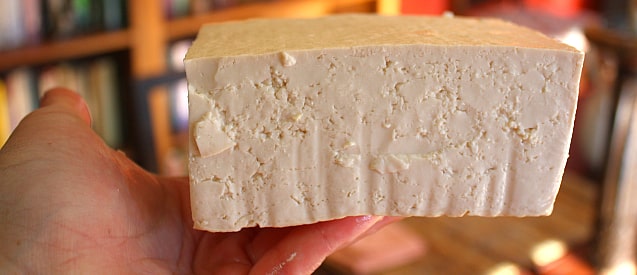
Here's some troubling information about overdoing soy products. I used to drink a lot of soy milk, but I don't anymore. I don't avoid tofu bits in my foods.
Search the Web. Privately. Truly useful results, AI-powered answers, & more. All from an independent index. No profiling, no bias, no Big Tech.

search.brave.com
Soy milk has several potential disadvantages, particularly when consumed in large amounts or by specific populations. One major concern is its content of phytoestrogens, specifically isoflavones, which have a chemical structure similar to estrogen. While moderate consumption of soy foods is generally considered safe, high intake during pregnancy may pose risks to fetal development due to these estrogen-like compounds. Similarly, the safety of consuming large amounts of soy during breastfeeding is not well established, so it is recommended to stick to food amounts rather than supplements.
For individuals with certain health conditions, soy milk may be problematic. People with a history of breast cancer or those at high risk should exercise caution, as the effects of soy on breast cancer are still unclear, and while soy foods appear safe, the safety of concentrated soy supplements remains uncertain. Those with under-active thyroid (hypothyroidism), especially if they have low iodine levels, may experience worsened symptoms due to soy's potential to interfere with thyroid hormone synthesis. Individuals with kidney failure should avoid large amounts of soy because phytoestrogens can accumulate to high levels in the blood. Additionally, soy products contain oxalates, which may increase the risk of kidney stones, so those with a history of kidney stones should limit their intake.
Soy milk can also cause digestive issues in some people, including constipation, bloating, nausea, and diarrhea. This is partly due to the presence of phytic acid, an anti-nutrient that can reduce the absorption of minerals like calcium, magnesium, and zinc. Furthermore, soy is a common food allergen, and individuals with allergies to peanuts or other legumes may experience serious allergic reactions to soy. The presence of additives like carrageenan, a seaweed-derived emulsifier used to improve texture, has been linked to gastrointestinal distress and inflammation in some individuals.
Another concern is the processing and sourcing of soy. Most soy grown in the United States is genetically modified to be resistant to herbicides like glyphosate (RoundUp), and residues of this chemical have been found on crops, raising health and environmental concerns. While some processing methods can reduce harmful compounds like allergens, anti-nutritional factors, and biogenic amines, these are often not fully eliminated in commercial products. Although fermented soy products like tempeh or natto are traditionally consumed and may be safer, unfermented soy milk is not a traditional food in most cultures and is highly processed.
Finally, while fortified soy milk provides nutrients like calcium and vitamin D, the body may not absorb these minerals as effectively as those from whole foods due to the lack of essential co-factors like vitamin K2, which is necessary for proper calcium utilization and bone health. This raises concerns about the long-term cardiovascular safety of consuming large amounts of calcium from fortified soy milk without adequate co-nutrients








 ...
...


