US How Did The US Become Obsessed-Protein?

I agree but....
perhaps we have to add some conditions.

If you are consuming adequate calories you are probably getting enough protein.
If you are eating enough good food...
or healthy food
or a variety of good healthy food....

What comes to mind is the overly restrictive diet that doesn't meet calorie requirements. or a junk food diet that doesn't meet nutritional requirements.
The overly restrictive (see fruitarian) is definitely true.
The junk diet that doesn't meet nutritional req's is probably still fine for protein (see the Beyond burger meal above).

But yes, agreed.
 
  • Like
Reactions: PTree15 and Lou
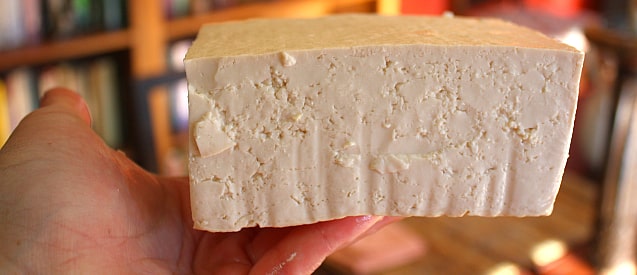
Here's some troubling information about overdoing soy products. I used to drink a lot of soy milk, but I don't anymore. I don't avoid tofu bits in my foods.


Soy milk has several potential disadvantages, particularly when consumed in large amounts or by specific populations. One major concern is its content of phytoestrogens, specifically isoflavones, which have a chemical structure similar to estrogen. While moderate consumption of soy foods is generally considered safe, high intake during pregnancy may pose risks to fetal development due to these estrogen-like compounds. Similarly, the safety of consuming large amounts of soy during breastfeeding is not well established, so it is recommended to stick to food amounts rather than supplements.

For individuals with certain health conditions, soy milk may be problematic. People with a history of breast cancer or those at high risk should exercise caution, as the effects of soy on breast cancer are still unclear, and while soy foods appear safe, the safety of concentrated soy supplements remains uncertain. Those with under-active thyroid (hypothyroidism), especially if they have low iodine levels, may experience worsened symptoms due to soy's potential to interfere with thyroid hormone synthesis. Individuals with kidney failure should avoid large amounts of soy because phytoestrogens can accumulate to high levels in the blood. Additionally, soy products contain oxalates, which may increase the risk of kidney stones, so those with a history of kidney stones should limit their intake.

Soy milk can also cause digestive issues in some people, including constipation, bloating, nausea, and diarrhea. This is partly due to the presence of phytic acid, an anti-nutrient that can reduce the absorption of minerals like calcium, magnesium, and zinc. Furthermore, soy is a common food allergen, and individuals with allergies to peanuts or other legumes may experience serious allergic reactions to soy. The presence of additives like carrageenan, a seaweed-derived emulsifier used to improve texture, has been linked to gastrointestinal distress and inflammation in some individuals.

Another concern is the processing and sourcing of soy. Most soy grown in the United States is genetically modified to be resistant to herbicides like glyphosate (RoundUp), and residues of this chemical have been found on crops, raising health and environmental concerns. While some processing methods can reduce harmful compounds like allergens, anti-nutritional factors, and biogenic amines, these are often not fully eliminated in commercial products. Although fermented soy products like tempeh or natto are traditionally consumed and may be safer, unfermented soy milk is not a traditional food in most cultures and is highly processed.

Finally, while fortified soy milk provides nutrients like calcium and vitamin D, the body may not absorb these minerals as effectively as those from whole foods due to the lack of essential co-factors like vitamin K2, which is necessary for proper calcium utilization and bone health. This raises concerns about the long-term cardiovascular safety of consuming large amounts of calcium from fortified soy milk without adequate co-nutrients

You truly shouldn't buy into the first AI generated answer :laughing: , esp when it's answering a directed question of "What are the disadvantages of soy milk"!
Even the American breast cancer research had to make a public retraction of it's old warning when the studies were found to be faulty.
Try putting the question "Is soy healthy" into the same Brave search and you'll find a quite different response
Oh, and it's quite sus to judge a food based on it having additives. It's like reading oatmeal is a bad breakfast choice due to added sugar!
Soy for human consumption, such as soy milk, tofu, tempeh, is hard to find made with GMO beans. The soy isolates used fillers might be, but the GMO beans are largely used for animal feed, and animals themselves
Oh, and, the whole phytic acid thing --read up
Dr Gruger (SP?) and Dr Axe are shills
 
Last edited:
Dr Gruger (SP?) and Dr Axe are shills
and don't forget the Weston Price foundation who funds anti soy research.

this is sort of long but if you REALLY want to learn about Soy - Read this.

 
  • Like
Reactions: Emma JC and PTree15
That being said, Soy is added to a lot of our foods. So a person might want to limit their Soy intake.
There are various recommendations. Many of them suggest limiting to less than 25 grams or 50 grams a day.
I think that comes out to 3 - 5 servings a day.
which is also what Dr Gregar recommends.
 
  • Informative
Reactions: Emma JC and PTree15
I am surprised from the title of the article that no one has posted more from the sociological point of view.

Higher protein diets have been a symbol of wealth and status for much of human history. Feasts of the Middle Ages and the Roman Empire emphasized protein foods as part of celebrations. Higher class and status families typically also ate higher protein diets (meat) while those in lower socioeconomic groups had a more plant-derived diet.

From an even earlier perspective, the addition of more protein/meat can be attributed to the domestication of animals that evolved from our primary methods of producing food switching from hunting and gathering to agriculture.

Since television and billboards became prominent advertising tools, the food industry has used them particularly to advertise meat/protein focused foods and restaurants. I assume these are more profitable.

Also in recent times, as countries become wealthier, they have generally moved over to higher protein/meat diets due to their economies’ abilities to produce and distribute such diets. Think of during the Cold War how it was publicized how American grocery store shelves never emptied, while those living in the Soviet Union still worried about sufficient quantities of bread at times.

What has happened now, which might be an interesting investigation into reasons for veganism and vegetarianisms’ increasing popularity, is that many subgroups in the wealthier nations have overconsumed this affluent diet to the point of decreasing their overall health (nutritional imbalances, obesity, etc.) rather than increasing it, which was the overall general case throughout human history previously.
 
  • Informative
  • Like
Reactions: Emma JC and 1956
That being said, Soy is added to a lot of our foods. So a person might want to limit their Soy intake.
There are various recommendations. Many of them suggest limiting to less than 25 grams or 50 grams a day.
I think that comes out to 3 - 5 servings a day.
which is also what Dr Gregar recommends.
That's the same analogy as saying soy milk is bad because some have carageenan. or oatmeal is a bad choice because some have added sugar.
You only get the added soy isolates if you eat processed foods that contain them, and that's largely in foods omnis eat
Anyway,
"vegans consuming the equivalent of 7-18 servings of soy foods per day may end up with circulating IGF-1 levels comparable to those who eat meat."
That's a F'ton of soy! A serving of tofu is a half cup, soymilk 8 oz, cooked beans half cup, tempeh half cup---even eating processed foods with added soy, you'd be hard pressed to find anyone eating over 7 servings!
 
Silk used to add carageenan but they stopped.
A lot of protein bars and stuff like that use soy isolates.

A long time ago I has a subscription to Men's health. And they had an article about how bad soy was. One of their main points was that it caused man boobs. they even had a picture. Turns out it was a guy with an eating disorder who was not only obese but drank something like a gallon of soy milk a day.

I cancelled my subscription and then I also started doing a lot of my own research.

and I used to sometimes have as much as 5 servings a day.
 
  • Like
Reactions: Emma JC
Not looking to debate but I struggle with getting protein, mainly if I'm in a cycle of bad eating. And the whole calorie thing infuriates me...that I have to pay attention to everything I eat in order to maintain a healthy weight. I'm going to go into my Fitbit, where I track, and come back with some examples of my daily intake.
 
  • Friendly
Reactions: Tom L.
I do prefer when I get 50-60 grams of protein over when it's only 35-40, the latter being when I don't pay attention to what I'm eating. But I disagree that 35-40 is sufficient for me.
 
I don't struggle with protein as I have the latter with every meal. I don't count calories but know when I'm gaining weight; i.e. when I overload with carbs.

I would struggle with meals that only contain grains and vegetables. Even if I make a pulse based meal, I usually add either tofu, seitan or pea protein.
 
I do prefer when I get 50-60 grams of protein over when it's only 35-40, the latter being when I don't pay attention to what I'm eating. But I disagree that 35-40 is sufficient for me.
What do you mean? do you think 35 - 40 is enough but 50 -60 is better?

For me, I don't have to pay much attention to my diet anymore. I eat a lot of the same things every week and those things were all chosen for their nutritional values.

paying attention to your diet is important.

I spent a few months using CronOmeter till I got to the point that I didn't need it anymore. although it's nice every once in a while to check.

Also maybe it's just me but I find percentages of your calories is a better measurement. Especially if you have trouble hitting the gram of protein goal or if eating enough protein is making you gain weight.

My goal was at least 20% protein and no more than 20% fat.

When I was using Chronometer daily, at the end of the day if I was short on protein I would just add a chocolate banana peanut butter smoothie after dinner. not a hardship. Sort of a treat.

Anyway, Carnists shouldn't have to concern themselves with adequate amounts of protein. but it seems that is their biggest concern.
 
  • Like
Reactions: Emma JC
I don't struggle with protein as I have the latter with every meal. I don't count calories but know when I'm gaining weight; i.e. when I overload with carbs.

I would struggle with meals that only contain grains and vegetables. Even if I make a pulse based meal, I usually add either tofu, seitan or pea protein.
Agree. I like to have protein with every meal as well, and I, too, gain if I have too many carbs...the refined kind, that is. :D
 
  • Friendly
Reactions: shyvas

Lately I've been seeking information about how much of a certain nutrient- e.g. calcium or protein- one can absorb and utilize at one meal. My googling brought up this article (among others). It was listed in the National Institutes of Health / National Library of Medicine, Feb. 27, 2018:​


Alan A. Aragon and Brad J. Schoenfeld, in the Journal of the International Society of Sports Nutrition

Controversy exists about the maximum amount of protein that can be utilized for lean tissue-building purposes in a single meal for those involved in regimented resistance training. It has been proposed that muscle protein synthesis is maximized in young adults with an intake of ~ 20–25 g of a high-quality protein; anything above this amount is believed to be oxidized for energy or transaminated to form urea and other organic acids. However, these findings are specific to the provision of fast-digesting proteins without the addition of other macronutrients. Consumption of slower-acting protein sources, particularly when consumed in combination with other macronutrients, would delay absorption and thus conceivably enhance the utilization of the constituent amino acids. The purpose of this paper was twofold: 1) to objectively review the literature in an effort to determine an upper anabolic threshold for per-meal protein intake; 2) draw relevant conclusions based on the current data so as to elucidate guidelines for per-meal daily protein distribution to optimize lean tissue accretion. Both acute and long-term studies on the topic were evaluated and their findings placed into context with respect to per-meal utilization of protein and the associated implications to distribution of protein feedings across the course of a day. The preponderance of data indicate that while consumption of higher protein doses (> 20 g) results in greater AA oxidation, this is not the fate for all the additional ingested AAs as some are utilized for tissue-building purposes. Based on the current evidence, we conclude that to maximize anabolism one should consume protein at a target intake of 0.4 g/kg/meal across a minimum of four meals in order to reach a minimum of 1.6 g/kg/day. Using the upper daily intake of 2.2 g/kg/day reported in the literature spread out over the same four meals would necessitate a maximum of 0.55 g/kg/meal.

Keywords: Protein feeding pattern, Amino acid oxidation, Protein intake, Protein metabolism, Lean tissue mass

How much protein can the body use in a single meal for muscle-building? Implications for daily protein distribution - PMC

pmc.ncbi.nlm.nih.gov


(italic emphasis toward the end mine. I apologize for the weird text formatting at the beginning of this post- for some reason, I couldn't format it the way I wanted.)
 
Last edited:
"Controversy exists about the maximum amount of protein that can be utilized for lean tissue-building purposes in a single meal for those involved in regimented resistance training."
Good find. And their conclusions matches the ones I've found thru googling too.

I wonder how they are using the word Controversy. Do they mean that the conclusions are not rock solid or that some idiots on YouTube are debating it.?
Or maybe that the huge supplement industry is creating controversy?

Anyway 20 g 4 x a day is plenty for most of us. No supplements needed. Especially if you are a carnist. Us vegans may need a little help once in a while which we can get from things made from real food like my PB smoothies or a mid afternoon edamame snack
 
  • Informative
  • Like
Reactions: Tom L. and PTree15
I was watching a British show about doctors prescribing specific diets for medical conditions. A family was concerned about their son's protein needs because of a lot of athletic activities. They wanted to know how to add more protein to his diet.

They added up all the protein he was consuming, and it came to about 100-120 grams per day. They were surprised that he was overconsuming protein.

I have been seeing some studies that want to lower the recommended amount of protein in diets. A cup of beans, peas, soymilk, tofu, peanut butter, some nuts, etc., should be enough for any person's protein needs.

I had a PBJ and a bowl of leftover tofu vegetable soup for lunch. It met about 50% of my protein requirements for the day.

For breakfast I had a protein shake with soymilk, cereal with soymilk, and coffee with soymilk.

For dinner I will have black eyed peas with rice and some vegetable sides.

Protein is not much of a problem.
 
Last edited:
I'm going to go into my Fitbit, where I track, and come back with some examples of my daily intake.
It's too much work to copy everything lol. Nevermind. Sometimes I just feel cranky and need to whine, especially if I've had a busy day where tracking is a chore, or when my cravings get the best of me and I over snack. Then I will omit the healthy food to keep the calories at bay. It doesn't happen often. It just works out that I'm in these types of threads on the cranky days so I let out all of my frustration. I'm good, I promise. 😊
#dramaqueen
#anxiety1-kls0
😂
 
@KLS52 @Lou This might have been addressed before in this thread or somewhere else, but I couldn't find it- at least not before my on-line time ran out yesterday 👮‍♂️...

Instead of someone tracking their average daily consumption of different foods, and/or their intake of specific nutrients, does anyone know if there is a way to see evidence of a specific nutrient shortcoming? I agree with KLS52 that fussing with a list of what we've eaten recently and checking it off against a list of nutrient RDAs is a bother.

In the past, I was found to be quite short on vitamin D, even though I had thought I spent enough time sunbathing in my shorts during the warmer months, building up a supply to last me until spring. I know I have to take a calcium supplement and a B-12 supplement because my vegan foods don't have enough of these. But I wouldn't have known about my vitamin D shortage if my doctor hadn't included a test for this in my annual checkup bloodwork. "Vegetarian Times" magazine once did an article about getting enough iron, which is sometimes a problem even for meat eaters.
 
  • Like
Reactions: Lou
@KLS52 @Lou This might have been addressed before in this thread or somewhere else, but I couldn't find it- at least not before my on-line time ran out yesterday 👮‍♂️...

Instead of someone tracking their average daily consumption of different foods, and/or their intake of specific nutrients, does anyone know if there is a way to see evidence of a specific nutrient shortcoming? I agree with KLS52 that fussing with a list of what we've eaten recently and checking it off against a list of nutrient RDAs is a bother.

In the past, I was found to be quite short on vitamin D, even though I had thought I spent enough time sunbathing in my shorts during the warmer months, building up a supply to last me until spring. I know I have to take a calcium supplement and a B-12 supplement because my vegan foods don't have enough of these. But I wouldn't have known about my vitamin D shortage if my doctor hadn't included a test for this in my annual checkup bloodwork. "Vegetarian Times" magazine once did an article about getting enough iron, which is sometimes a problem even for meat eaters.
I use chatGPT.
Tell it what I've eaten and ask for nutritional info.
Of course it isn't perfect, but it gives very useful feedback.
 
  • Like
  • Informative
Reactions: KLS52 and Lou
I agree with KLS52 that fussing with a list of what we've eaten recently and checking it off against a list of nutrient RDAs is a bother.
Yes. but as I have mentioned - once you have gotten past the steep part of the learning curve, Chronometer takes less than 5 minutes a day. and you don't have to do it forever. Maybe a week or two depending on how consistent your meal plans are. After than maybe just once in a while to double check or if your meals change.


In the past, I was found to be quite short on vitamin D, even though I had thought I spent enough time sunbathing in my shorts during the warmer months, building up a supply to last me until spring.

Me too. and living in California and going outside a lot and having Vitamin D my soy milk. But the doctor found I had a D deficiency and ordered some D - supplements. My guess is that like many other nutrients our bodies just aren't as good as absorbing it anymore. Not a big deal - it's pretty cheap.


I know I have to take a calcium supplement and a B-12 supplement because my vegan foods don't have enough of these.

well all vegans Really need to supplement B-12.
and calcium and iron are very typical deficiencies
there is a home test that is very accurate for iron. available at the drug store and not that expensive.

I'm always border line anemic but I have found that a little bit of iron in a multi plus a good diet is all I need.

I should have my doctor check my calcium again. however I sort of remember that the standard blood test is not very good for calcium so it might just be better to keep eating Tofu and drinking soy milk.

Try asking your doctor for a blood panel to uncover deficiencies.