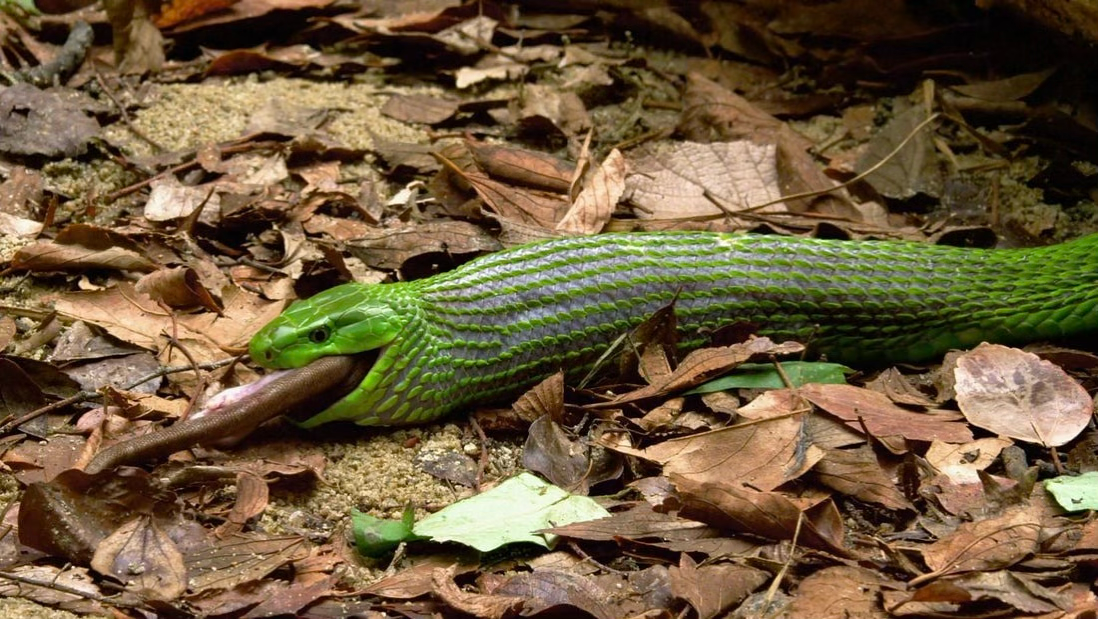
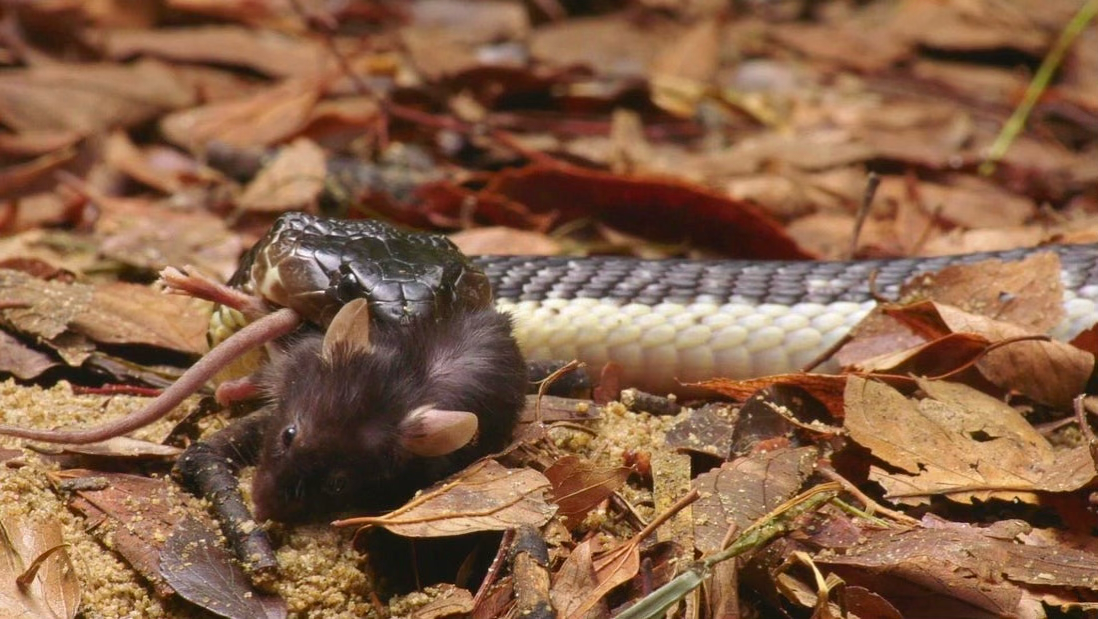
Hi. Unfortunately our Substack account has been targeted by what we believe to be unfounded DMCA claims relating to videos we posted there. As a result, we have lost access to the account and the material hosted on it.
We have therefore compiled all of our reports below, excluding the videos themselves. The reports contain the evidence and analysis underlying our concerns about animal welfare practices in wildlife filmmaking.
Note: Some of the images below may be disturbing or upsetting to sensitive viewers.
Reports on Evidence of Animal Cruelty in Natural History Productions (part 1)
August 2026
If you have information that may assist our investigations, wish to discuss the evidence presented in this report, or would like to request supporting materials, please contact us at thewildtruth2026@gmail.com or wild.truth@mail.com.
We are happy to provide full-resolution images, frame comparisons, source materials, and other supporting documentation to substantiate the findings presented in this report.
Table of Contents
Introduction
Evidence of Staged Predation in The Secret World of Snakes Episode 1
Evidence of Staged Predation Scene Between Two Cobras in The Secret World of Snakes Episode 2
A Tale of Two Trees
Staged Gaboon Viper Predation Scene in The Secret World of Snakes
Crew Heard Laughing While Filming Corn Snake Kill
Madagascar’s Weirdest Log
A Fossa Fraud — Evidence of Reused Sets and Staged Predation
A Very Voracious Veranus
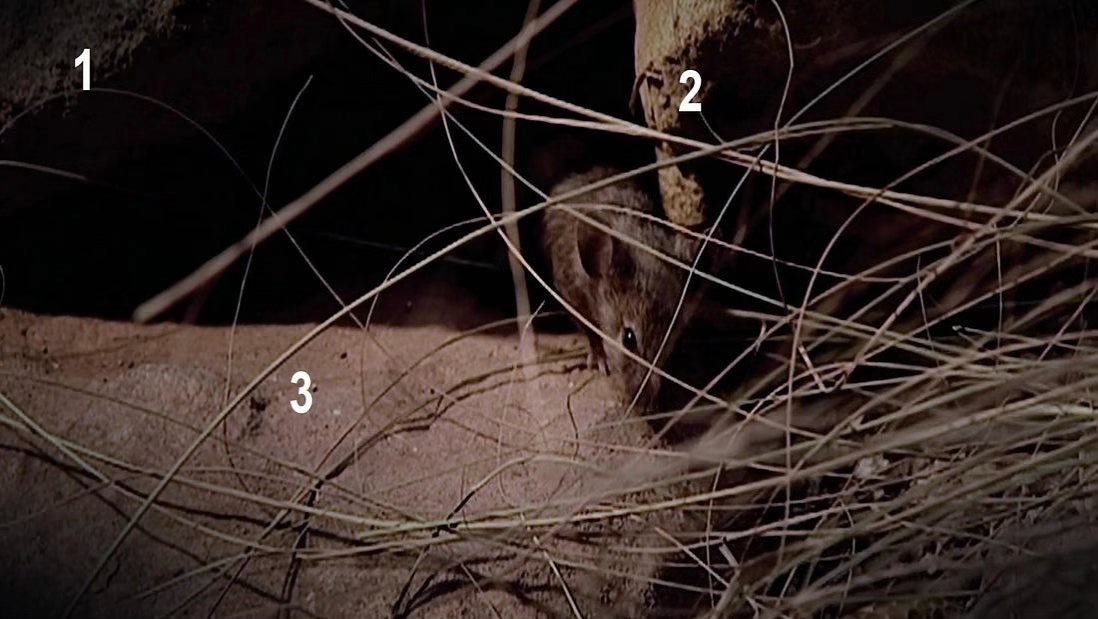
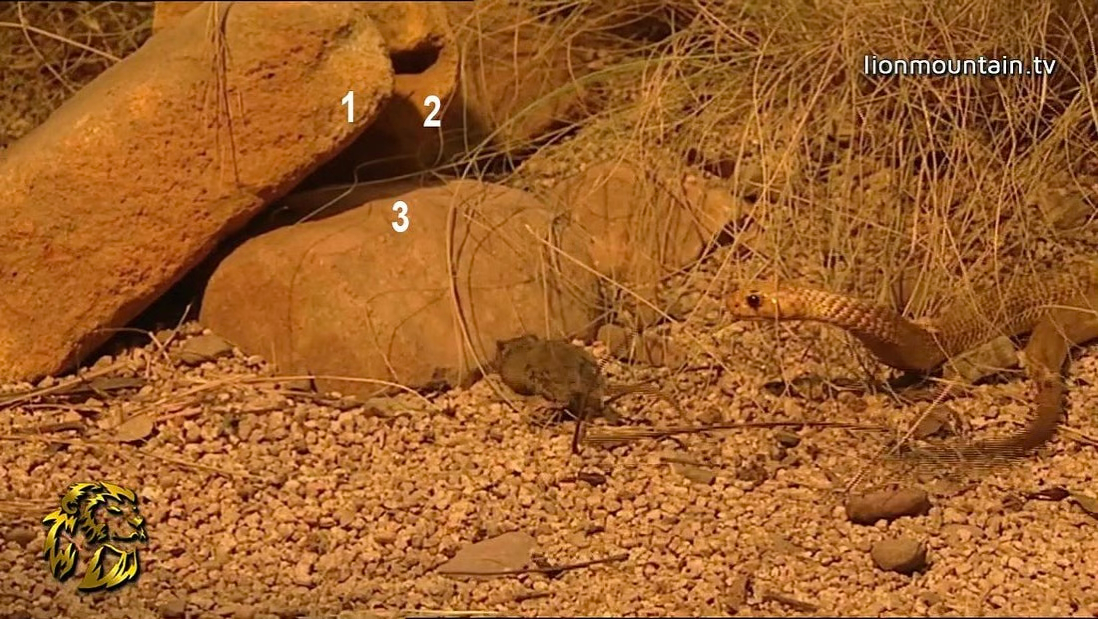
Several Snake Scenes Staged Using Same Set
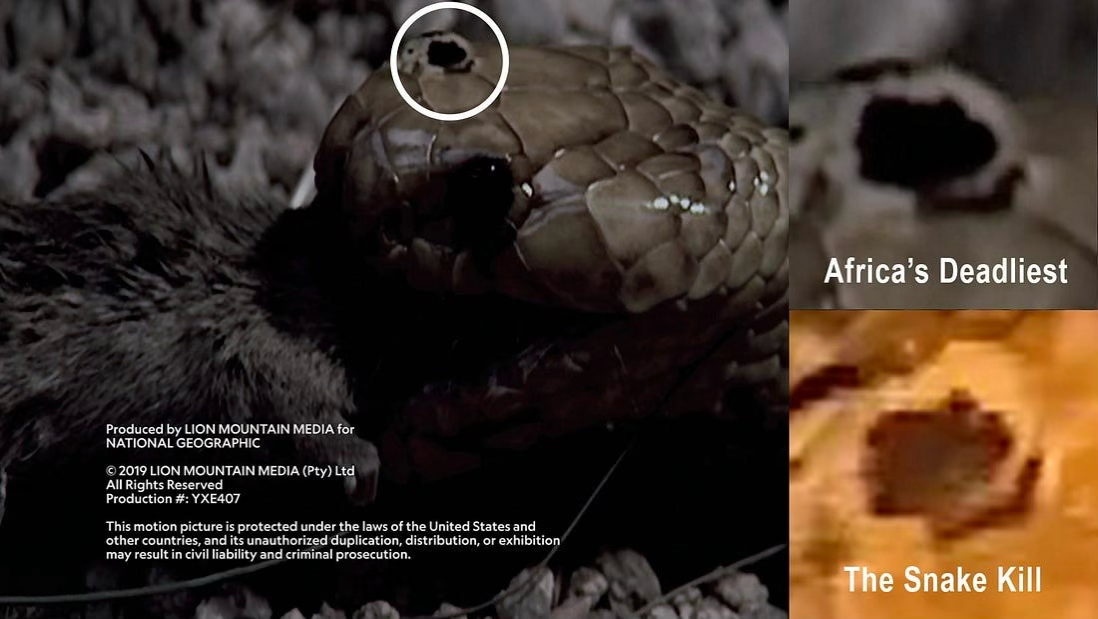
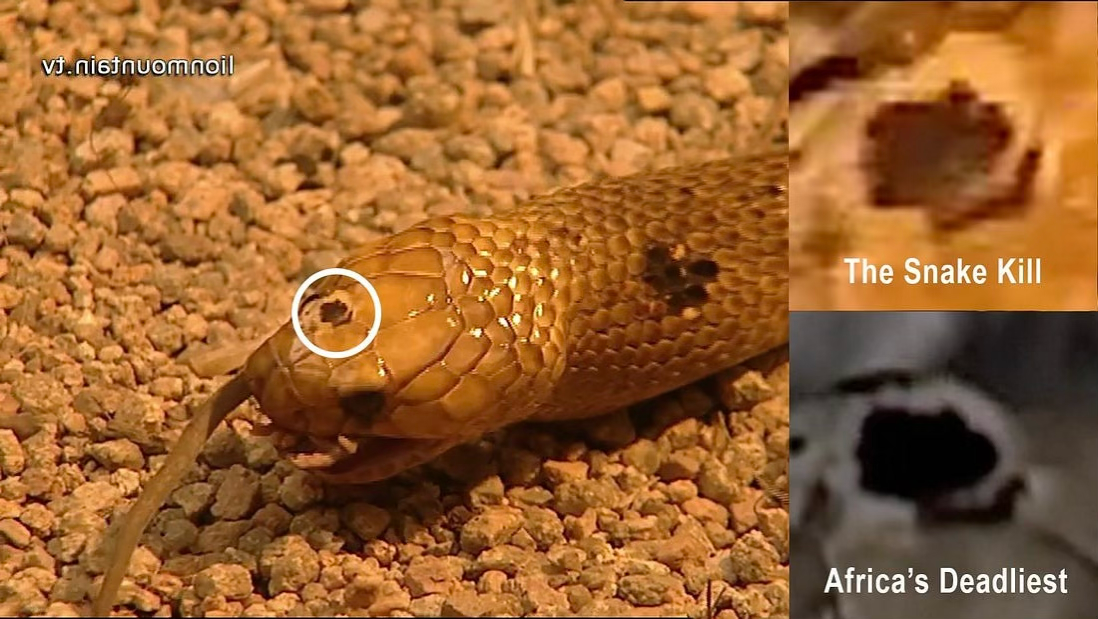
Staged Predation Scene in Africa’s Deadliest Season 5 Episode 1
Staged Predation Scenes in The Secret Creatures of Thailand and Africa’s Deadliest Season 7 Episode 1
Conclusion
Introduction
The Wild Truth is a group of anonymous wildlife filmmaking professionals and industry insiders dedicated to investigating and documenting evidence of unethical practices and potential animal cruelty in wildlife documentary production.
Over the past several months, we have published a series of detailed reports examining evidence that predation scenes in wildlife documentaries may have been staged using captive animals. Our investigations focus on productions involving
Lion Mountain Media,
Aquavision TV Productions,
African Reptiles and Venom, and
The Living Vivarium, with programmes distributed by
Bomanbridge Media and E
arth Touch Media and broadcast by
National Geographic.
The evidence presented in these investigations indicates that animals were intentionally placed into staged predation scenes, resulting in their deaths, and that those sequences were subsequently broadcast to audiences as authentic depictions of wild animal behaviour. These findings suggest not only a serious breach of documentary ethics, but also raise significant animal welfare concerns.
The scenes we analyse below, which appear to have been
staged or otherwise manipulated for filming, include scenes with:
- snakes killing other snakes;
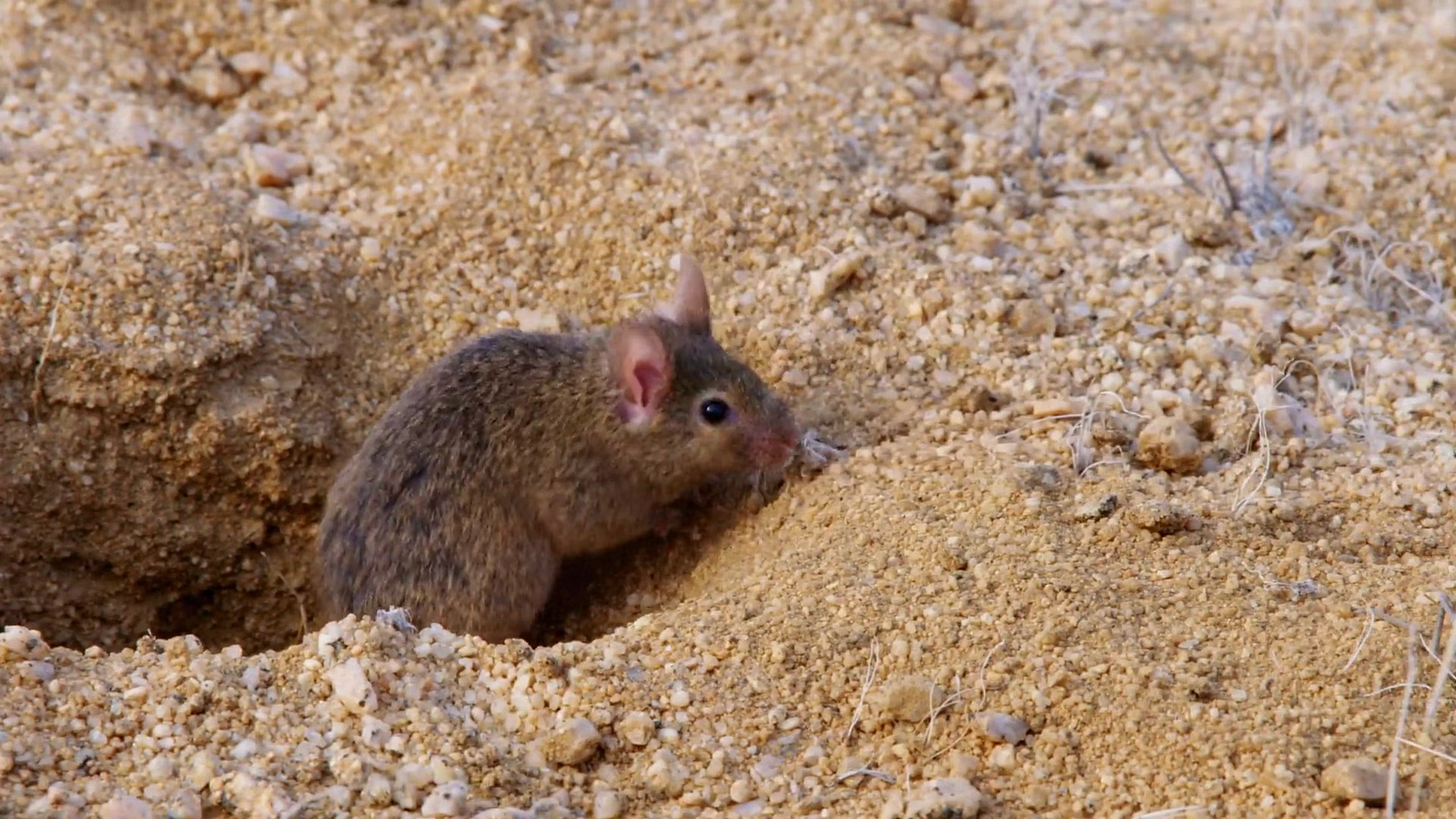
- snakes killing rodents;
- snakes killing amphibians;
- snakes killing birds;
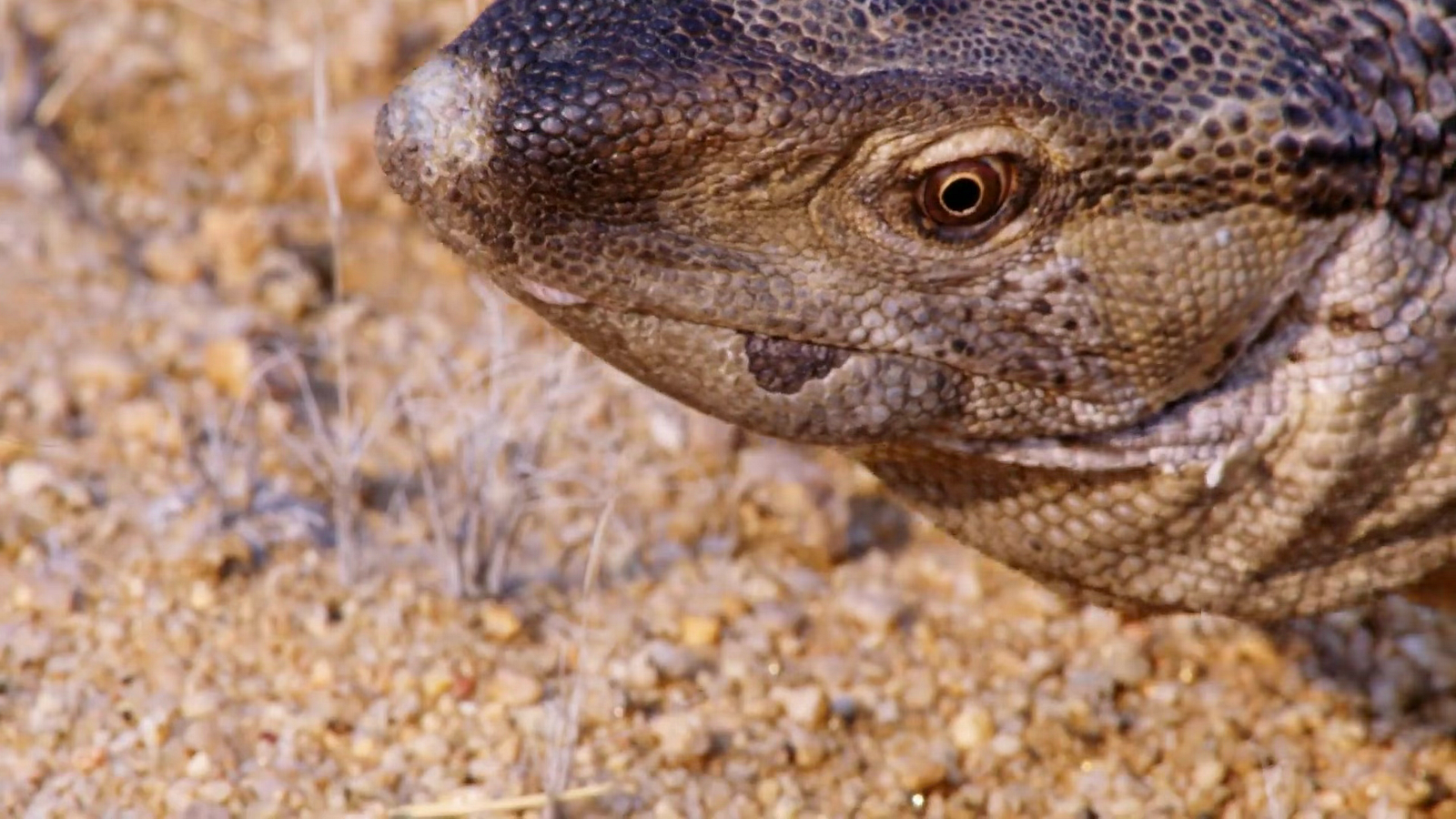
- monitor lizards killing rodents;
- monitor lizards killing snakes;
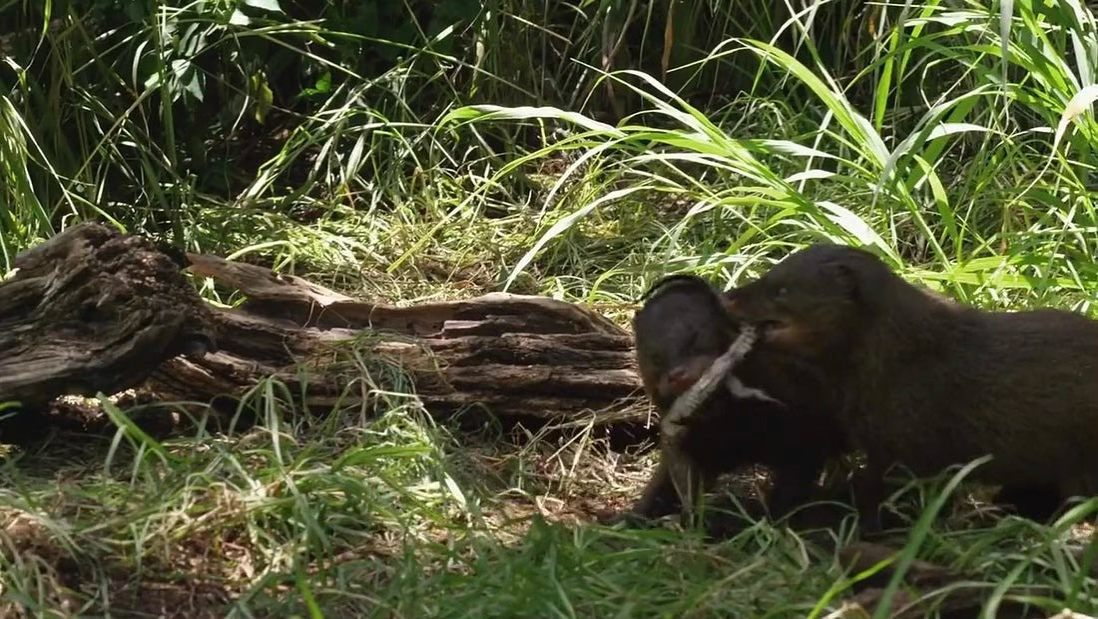
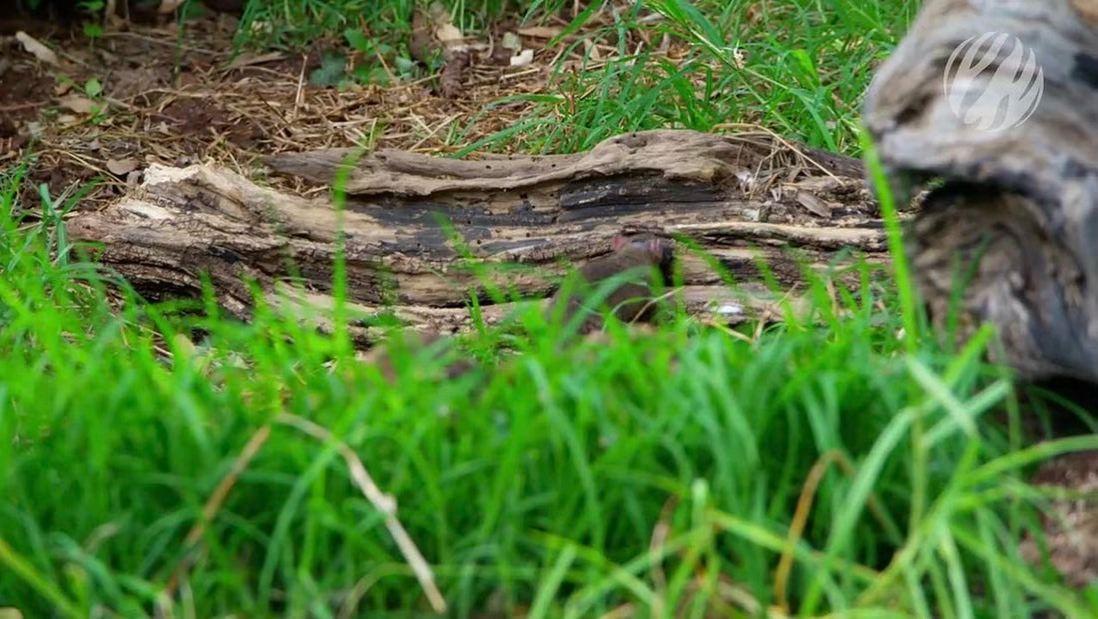
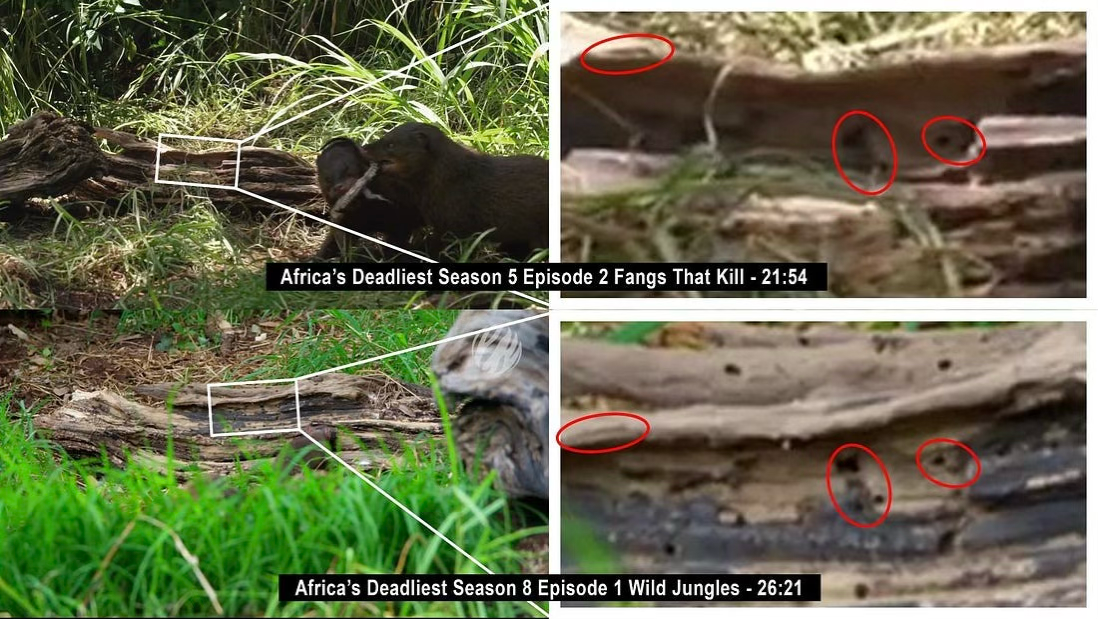
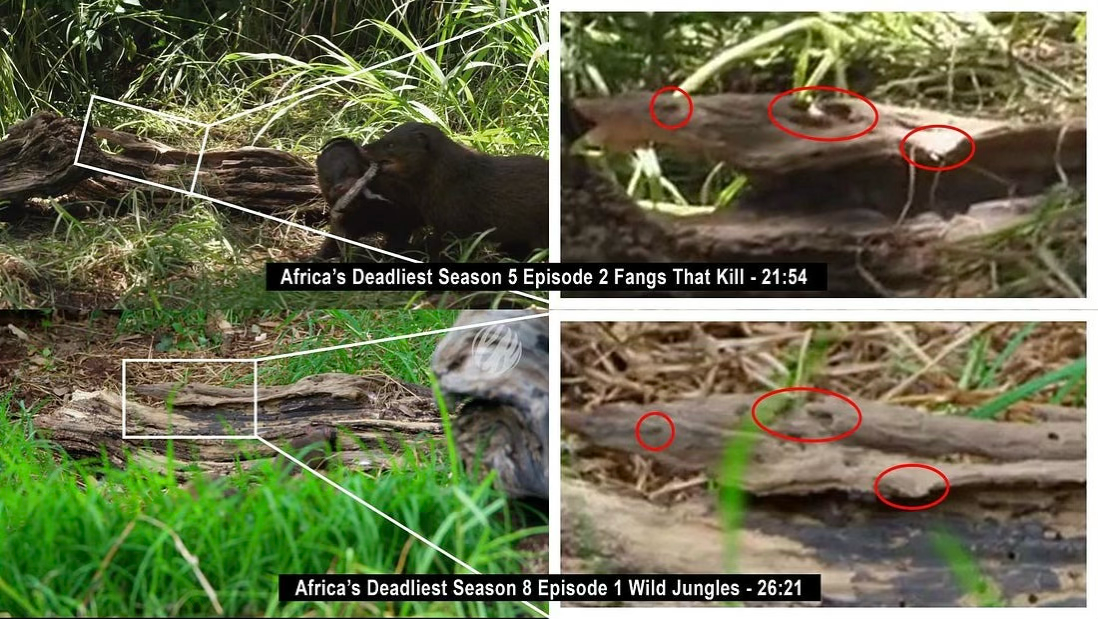
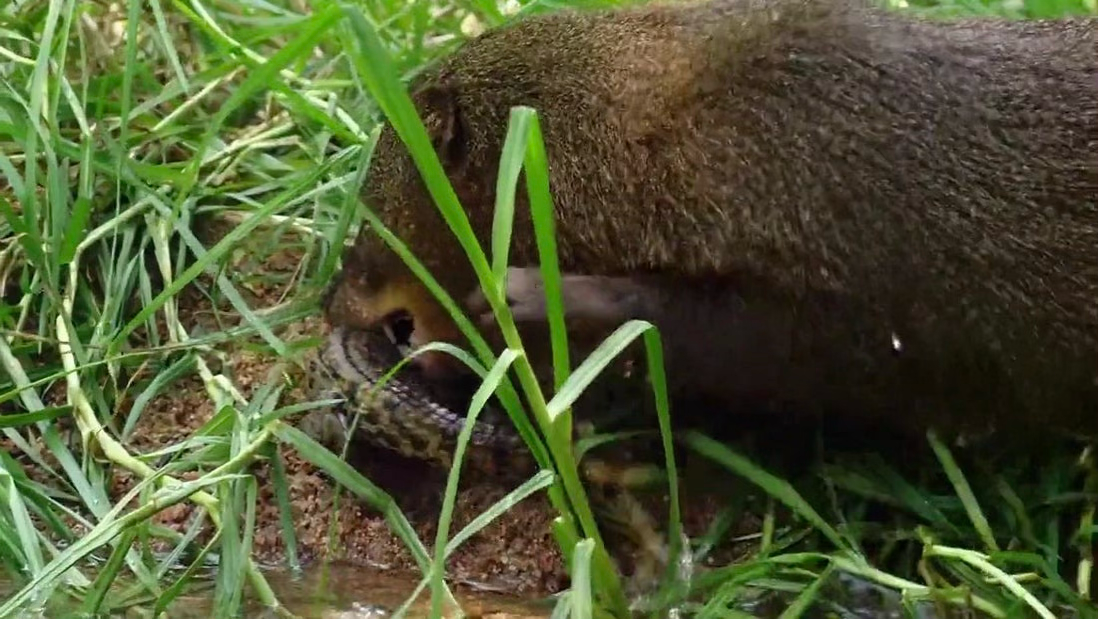
- mongooses killing snakes;
- a mongoose killing a Nile crocodile hatchling; and
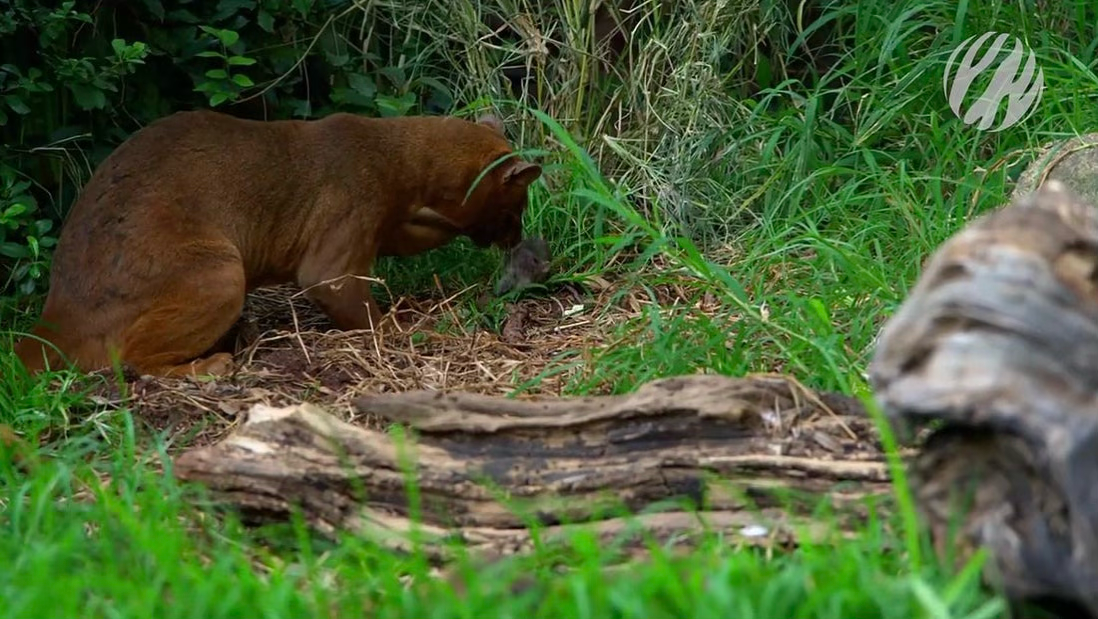
- a fossa killing a rodent.
We have provided the organisations named in our investigations with the opportunity to review the evidence and respond to our conclusions. To date, none has produced evidence that directly addresses or contradicts the specific factual findings documented in our reports.
Lion Mountain Media
Lion Mountain Media has corresponded with us extensively, both directly and through its legal representatives. During that correspondence, the company informed us that it had engaged a private investigator in an attempt to identify us.
After initially declining to engage, Lion Mountain Media provided lengthy responses discussing general wildlife behaviour, standard filming practices, company policies, and the scale of its archival footage. However, these responses
did not directly address the specific evidence presented in our investigations.
Throughout our correspondence, we repeatedly asked two simple factual questions:
- Were any animals intentionally harmed or subjected to unnecessary suffering during production?
- Were all predation scenes with live prey filmed in the wild and not staged in captivity?
Despite multiple opportunities over the course of several emails, neither question was answered. After we presented further evidence,
including behind-the-scenes photographs published by a pet shop located not far from Lion Mountain Media’s offices that appeared to match scenes broadcast in
The Secret World of Snakes, correspondence was taken over entirely by the company’s legal representatives. They characterised our work as “false”, “defamatory”, and “unlawful”. However, despite these serious allegations, neither Lion Mountain Media nor its lawyers identified a single statement in any of our reports that they asserted was factually incorrect, nor did they provide any evidence demonstrating that any of our findings were false.
Bomanbridge Media
As co-producer and distributor of
The Secret World of Snakes, Bomanbridge Media was provided with the same evidence and a series of questions concerning animal welfare oversight, ethical standards, disclosure, and its knowledge of the production. Rather than responding directly, all correspondence was handled through the company’s solicitor.
Bomanbridge Media stated that it was committed to high ethical and animal welfare standards, required production partners to comply with applicable legislation and recognised industry guidelines, and would take appropriate action if those standards were shown to have been breached. However, it did not answer our specific questions concerning the production itself, nor did it directly address the evidence presented in our investigations.
After we supplied further evidence
linking multiple predation scenes to behind-the-scenes photographs published by a Johannesburg pet shop credited at the end of the episode, Bomanbridge Media ceased responding altogether.
National Geographic
National Geographic is the broadcaster of most of the productions examined in this report and commissioned
Africa’s Deadliest. We are aware that senior National Geographic personnel became aware of our allegations through correspondence from Lion Mountain Media. In particular,
Peter T. Lamberti, CEO of Lion Mountain Media and Aquavision TV Productions, copied
Janet Han Vissering, Senior Vice President of Development and Production for National Geographic Content, on correspondence relating to our investigations.
We also independently provided National Geographic with the evidence supporting our findings. Despite having multiple opportunities to review that evidence, National Geographic has not provided a response to our reports or answered our questions concerning the production or broadcast of the programmes examined in our reports.
The National Geographic Society
We twice reported our findings to the National Geographic Society through its ethics reporting system, providing detailed reports, supporting evidence, and links to our video analyses. We explained that our objective was to prevent unnecessary harm to animals and asked the Society to review evidence suggesting that
predation scenes broadcast under the National Geographic brand had been staged using captive animals.
In response, the Society stated that it does not produce or control National Geographic television programming, is a separate non-profit organisation, is not affiliated with Lion Mountain Media, and that our concerns should instead be directed to The Walt Disney Company.
The Society advised that it could not assist further and would not respond to any additional correspondence.
However, we subsequently noted that the Society’s published Corporate Responsibility Policy (
Corporate Responsibility Policy - National Geographic Society) clearly states that “All
National Geographic-branded activities, products, and services will be legally, ethically and sustainably created” and “All references to National Geographic are intended to include both the National Geographic Society, the licensee National Geographic Partners, LLC, and affiliates of The Walt Disney Company (“NGP/Disney”) involved in the creation of National Geographic-branded activities, products, and services.”
Taken together, these statements appear to indicate that the ethical principles set out in the policy are intended to apply across all National Geographic-branded activities, including those created by NGP/Disney under licence from the Society.
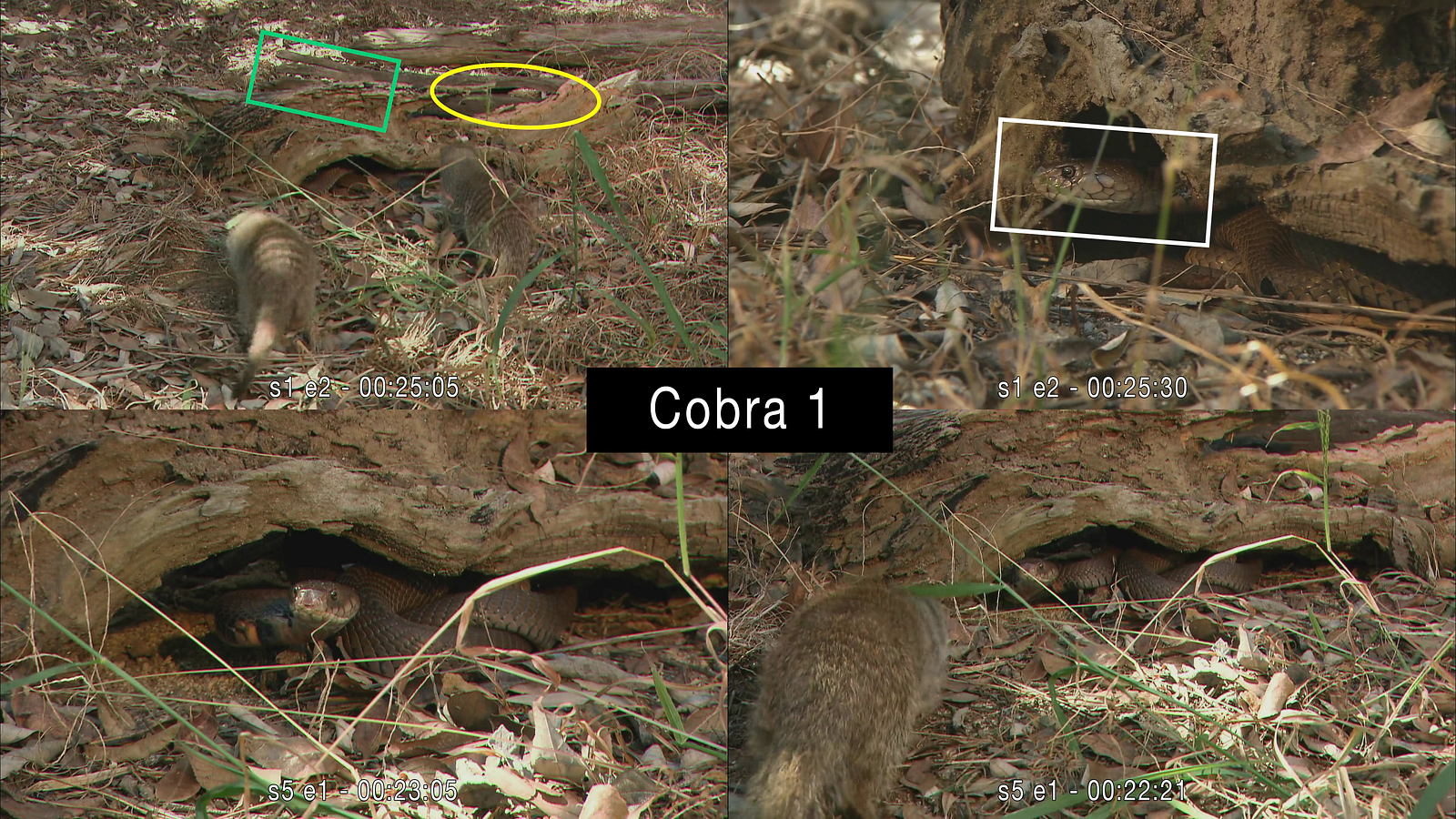
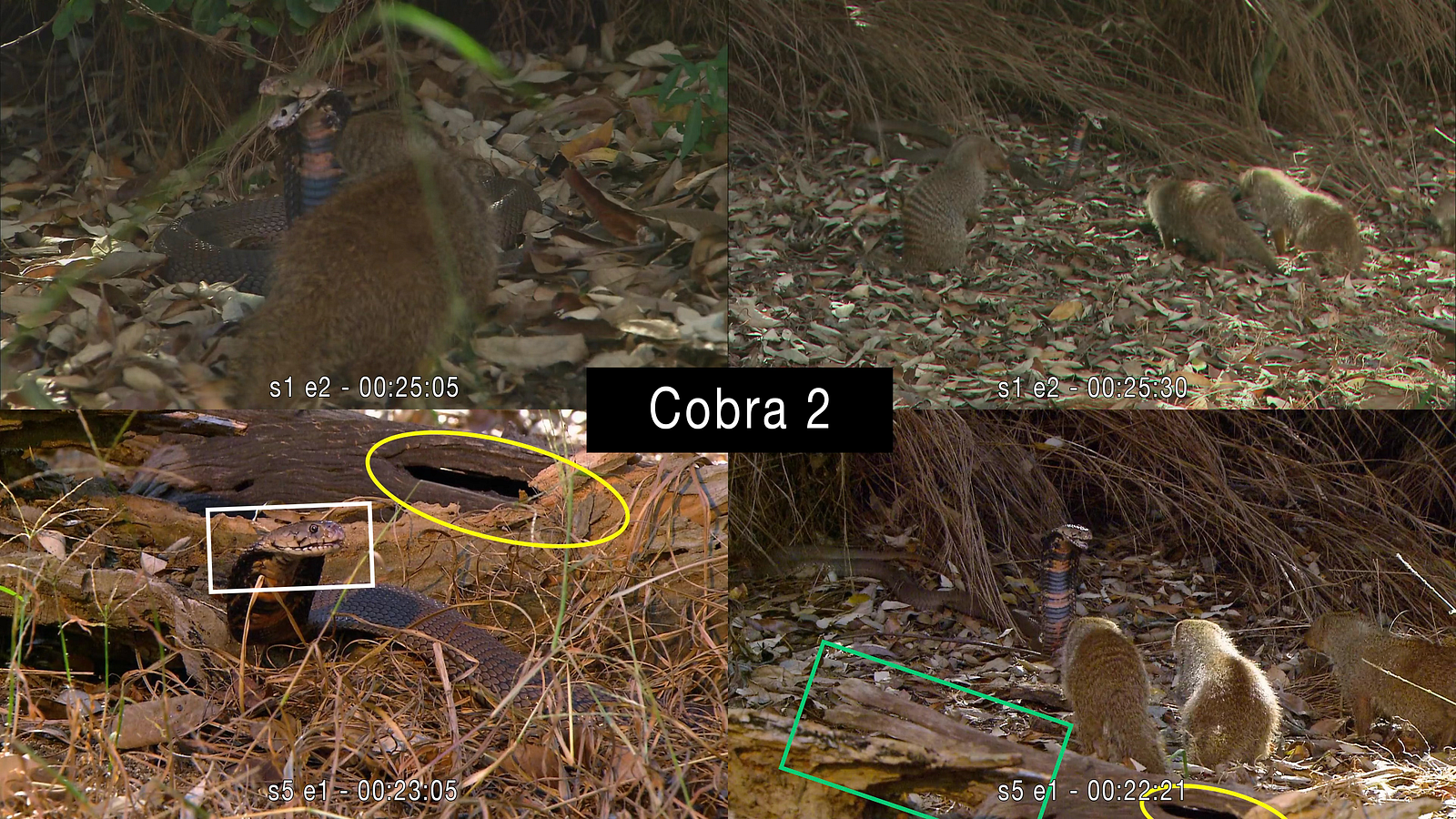
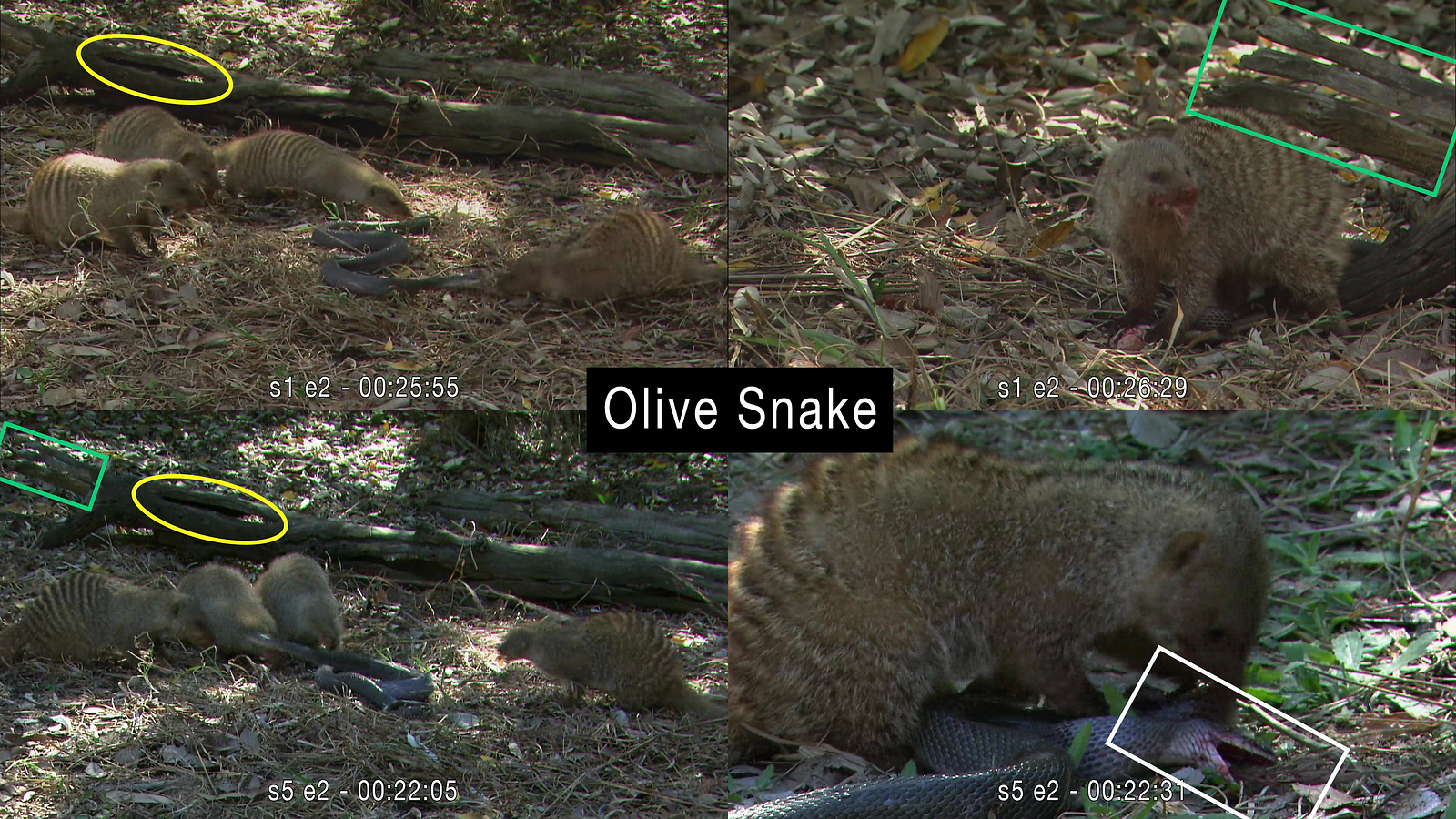
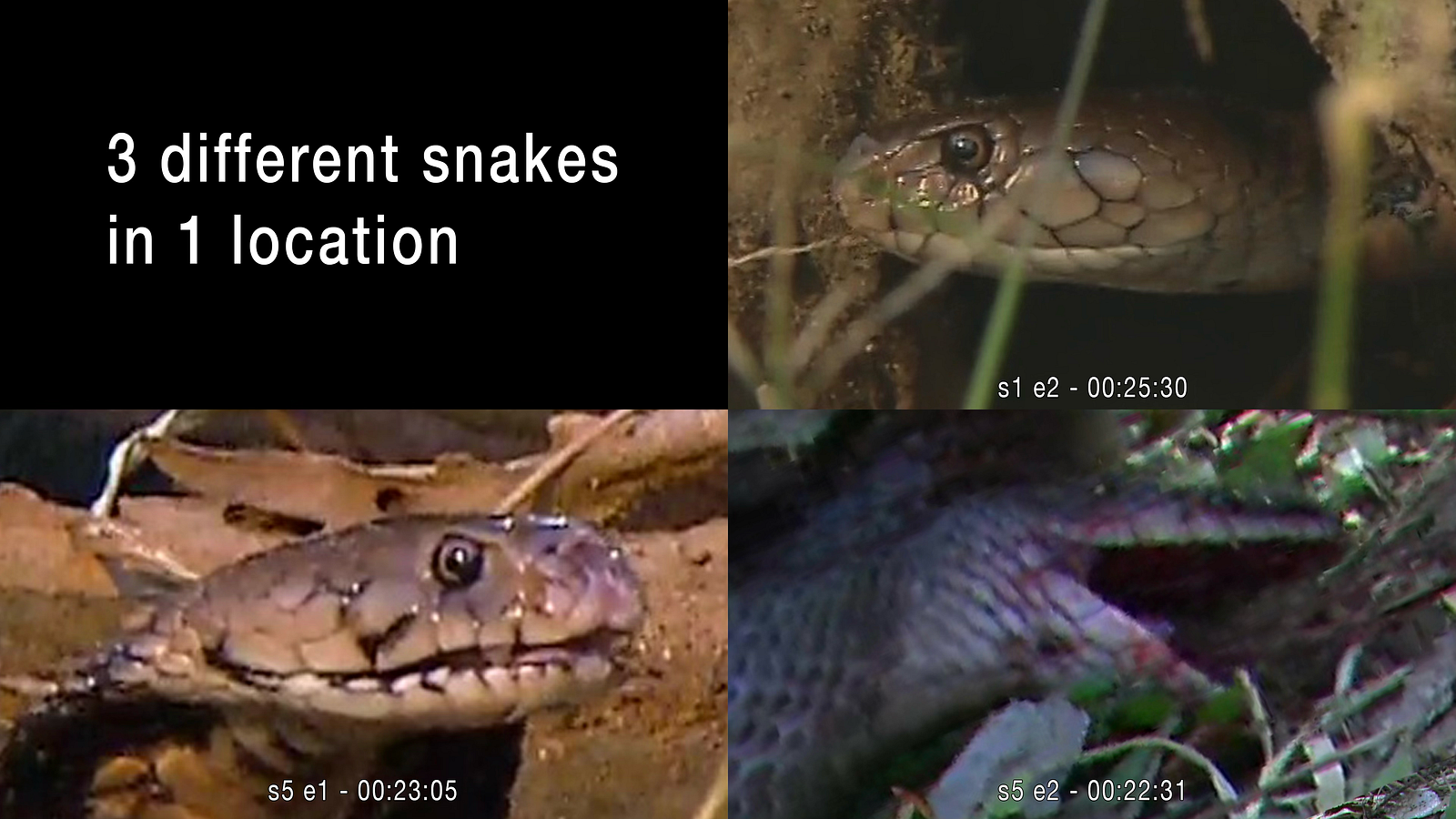
We have also recently added a report titled “Several Snake Scenes Staged using Same Set” that indicates that a scene depicting mongooses killing a snake in Season 1 of
Africa’s Deadliest was likely staged in an enclosure. Season 1 was produced prior to the split between the Society and National Geographic Partners. We have submitted this report to the Society and are waiting for their response.
DMCA Abuse
In addition to publishing written reports, we produced a series of videos presenting the evidence uncovered during our investigations. Following their publication, Lion Mountain Media submitted multiple DMCA copyright complaints against our content. As a result, our videos were removed from multiple platforms, our social media accounts were suspended or disabled, and even some of our email accounts were blocked, significantly limiting our ability to communicate our findings.
We believe these copyright complaints are without merit. Our videos are transformative works created for the purposes of criticism, commentary, and public interest reporting, and we believe they constitute fair use (or the equivalent fair dealing exceptions in applicable jurisdictions). We believe that
copyright law should not be used to suppress legitimate public scrutiny or prevent discussion of matters of public interest.
Sources of Evidence
This document brings together the findings of our investigations into a single report, presenting the evidence in one place.
The overwhelming majority of the evidence presented in this report is
derived from publicly available sources, including television broadcasts, YouTube videos, Facebook posts, production company websites, and other publicly accessible material. Wherever possible, we rely on primary source material and provide sufficient detail for readers to independently verify our findings.
In addition, we relied on two confidential sources. First, we received a pre-release copy of
The Secret World of Snakes, which was subsequently broadcast by National Geographic under the title
The Hidden World of Snakes.
Aside from the title change, the broadcast version was otherwise identical to the version we received. Second, an anonymous source provided us with Aquavision TV Productions
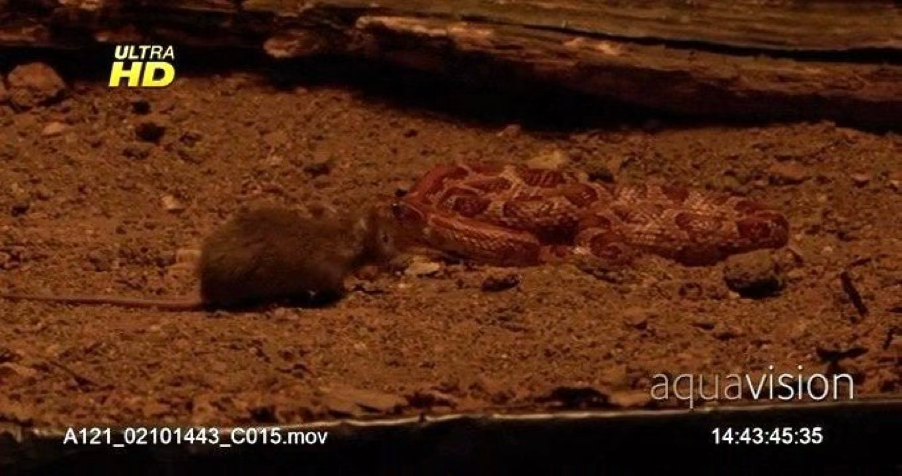
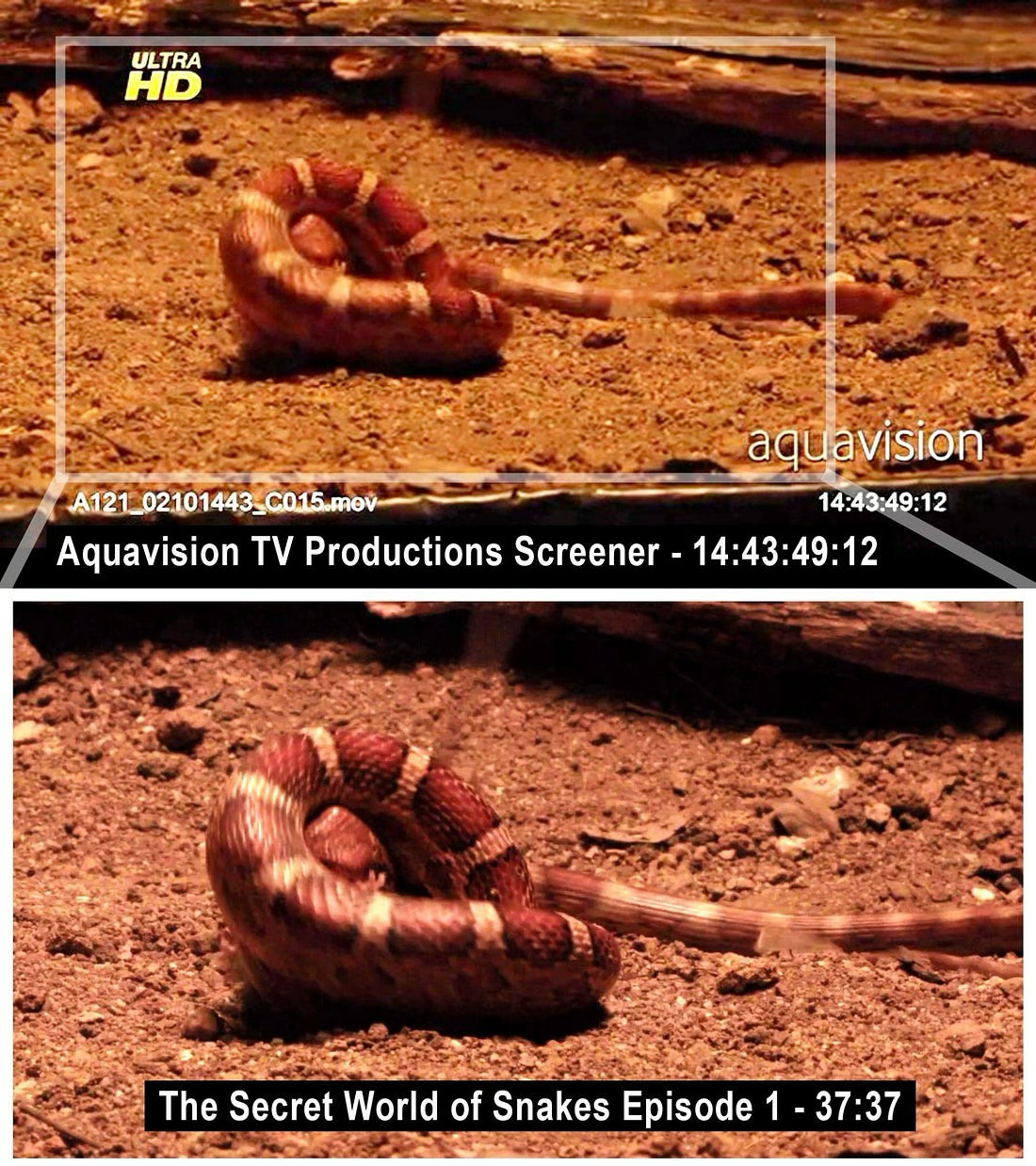
screener videos showing predation sequences filmed under controlled conditions. The authenticity of these screeners has since been independently corroborated by Lion Mountain Media’s DMCA copyright complaints, which identify the same material, as well as by the inclusion of matching footage in later broadcast productions.
Each report includes a section outlining the sources of evidence and clearly stating whether or not they are publicly available.
Evidence of Staged Predation in The Secret World of Snakes Episode 1
Staged Scenes in Episode 1, Scenes 1 to 3.
Production: The Secret World of Snakes, 2026, Episode 1
Production Company: Lion Mountain Media
Co-production: Bomanbridge Media / China Media Group
Broadcast: Nat Geo Wild (as
The Hidden World of Snakes)
Executive Producers: Sonia Fleck, Carl Hall
Series Producer / Director / Director of Photography: Peter Lamberti
Producer / Writer: Kira Ivanoff
Sources of Evidence
Frame grabs from
The Secret World of Snakes Episode 1
publicly broadcast on Nat Geo Wild and other channels.
Public Facebook posts by The Living Vivarium & Inmates Pet Shop who are credited at the end of
The Secret World of Snakes. After we contacted the pet shop, these posts were deleted, but we have verifiable copies available.
Introduction
This report examines the first four sequences in the wildlife documentary series
The Secret World of Snakes, which is also broadcast on Nat Geo Wild under the title
The Hidden World of Snakes.
Episode 1, Scene 1
Location: “Brazil — Amazon Forests”
Species: South American Boa
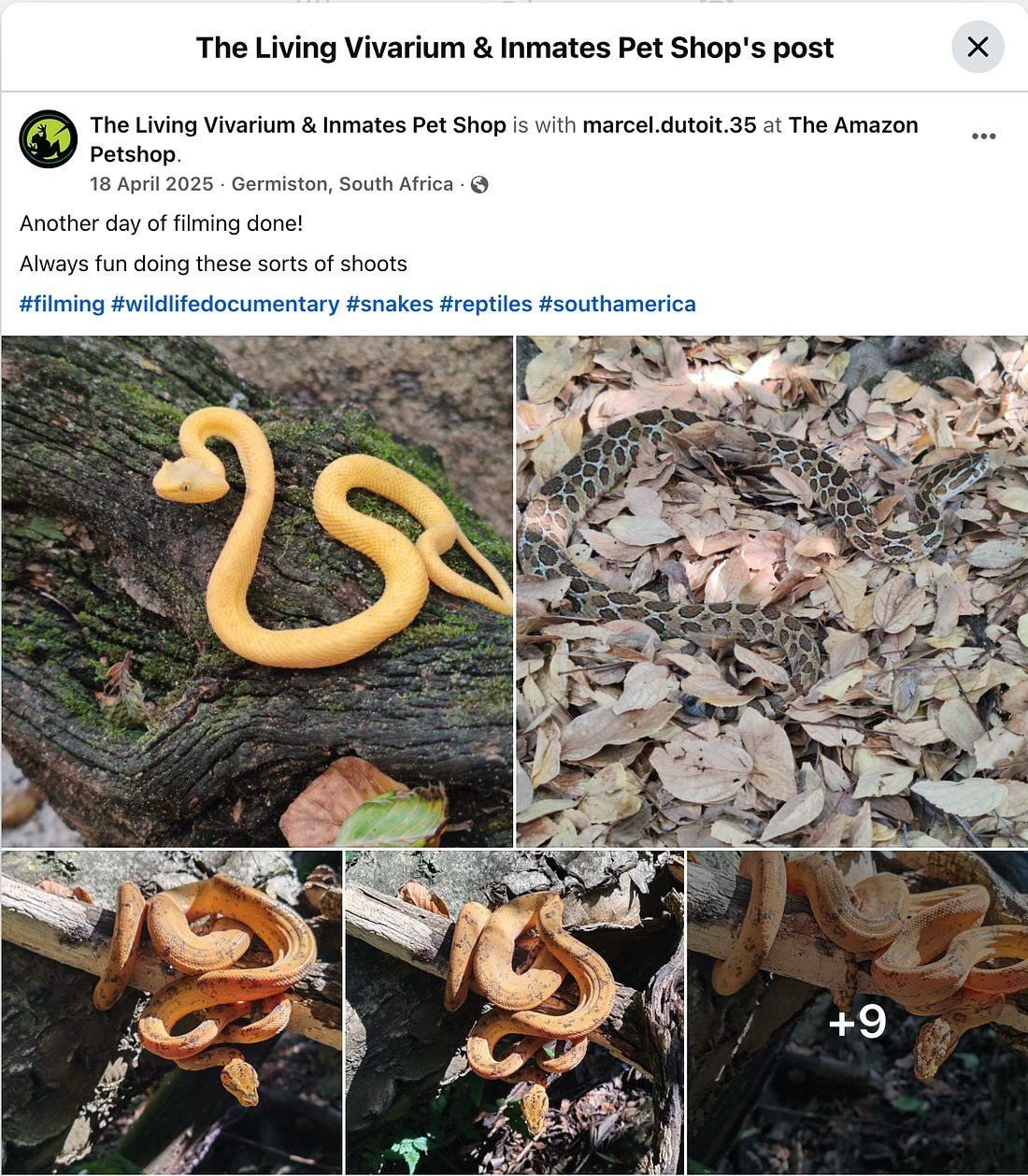
On 18 April 2025, The Living Vivarium & Inmates Pet Shop (
Welcome) posted a series of 13 behind-the-scenes photos to Facebook with the text:
“Another day of filming done! Always fun doing these sorts of shoots #filming #wildlifedocumentary #snakes #reptiles #southamerica”
Source:
8w3DRDLxHjeRD9MkoiPYadhEz3Y5wztTWH2jvTz2X2UWwKTpBbxl
The Living Vivarium & Inmates Pet Shop Facebook Post
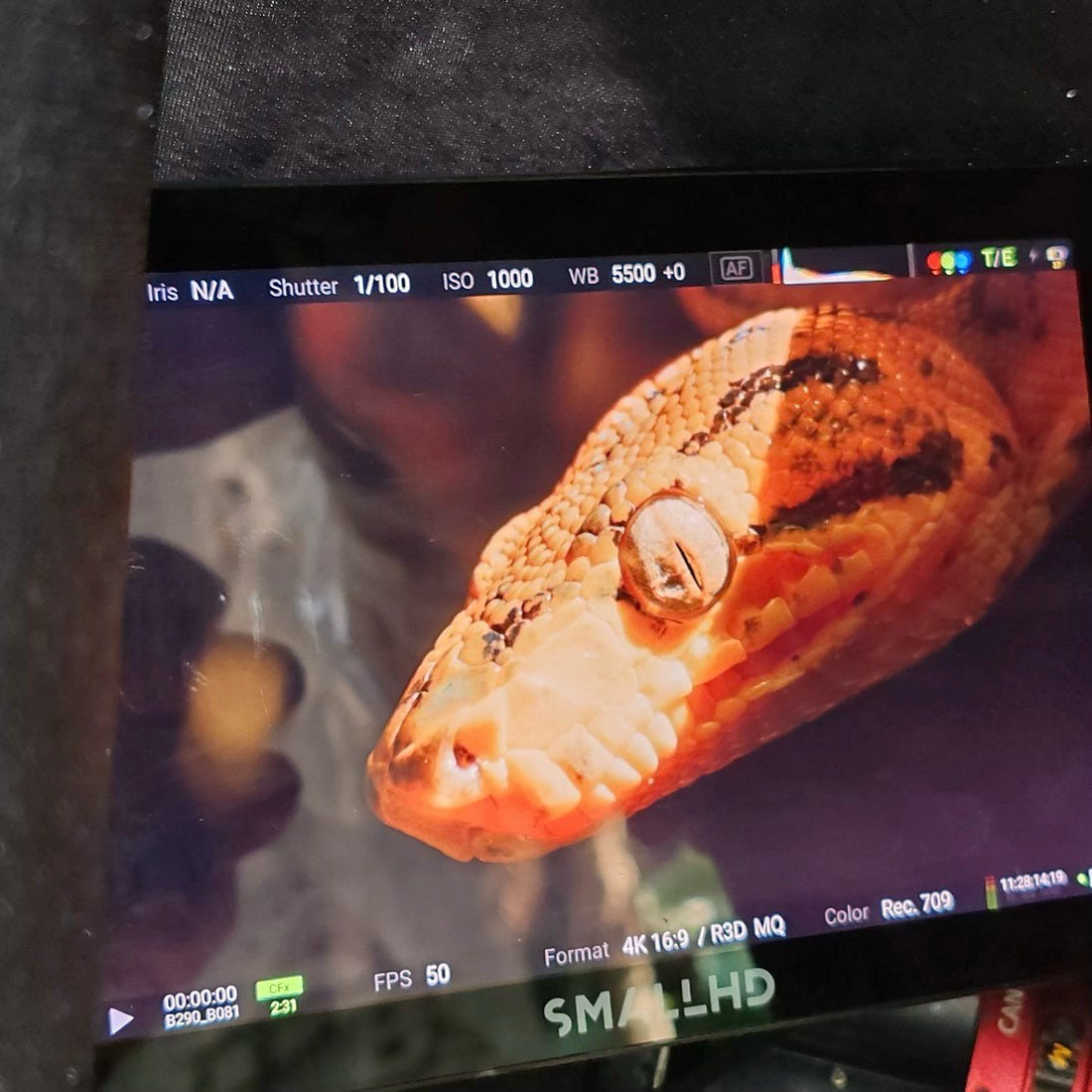
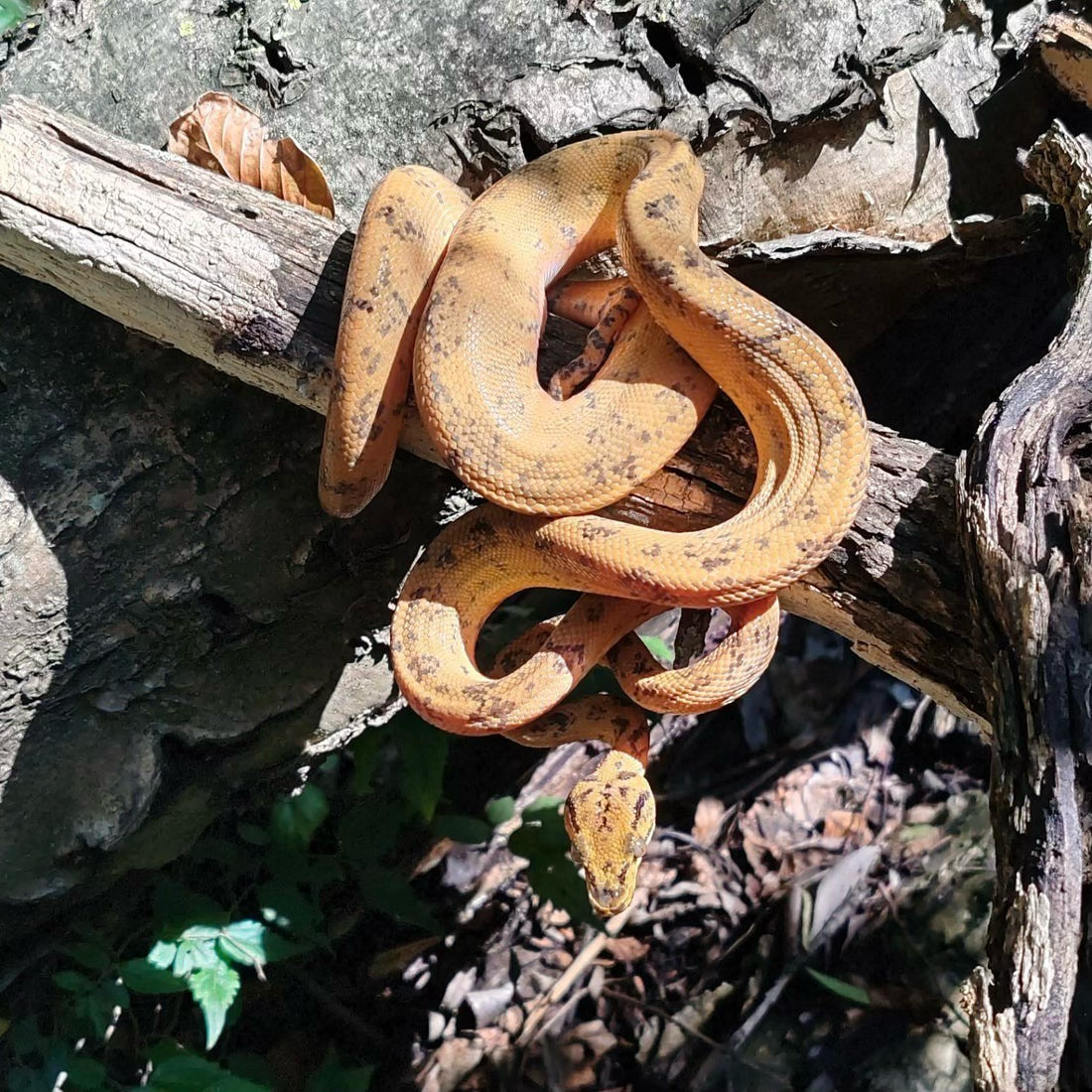
We have matched several of these images with Scene 1 in Episode 1. First we will consider two of the images posted to Facebook:
And the following frame grabs from
The Secret World of Snakes Episode 1. Note that the time codes here are taken from
The Secret World of Snakes and will differ slightly from
The Hidden World of Snakes due to the shorter intro sequence of that show.
The Secret World of Snakes00:03:31
The Secret World of Snakes00:03:44
Observations
The close-up of the camera screen in the behind-the-scenes image perfectly matches the on-screen shot in the episode. The snake position and markings on the branch match exactly with the Facebook images.
The strike sequence occurs
on the same branch, indicating
the predation sequence was not filmed at a different location.
The predation shots in Scene 1 were likely filmed at The Living Vivarium pet shop by Lion Mountain Media.
Episode 1, Scene 2
Location: “Brazil — Pantanal”
Species: Yellow Anaconda
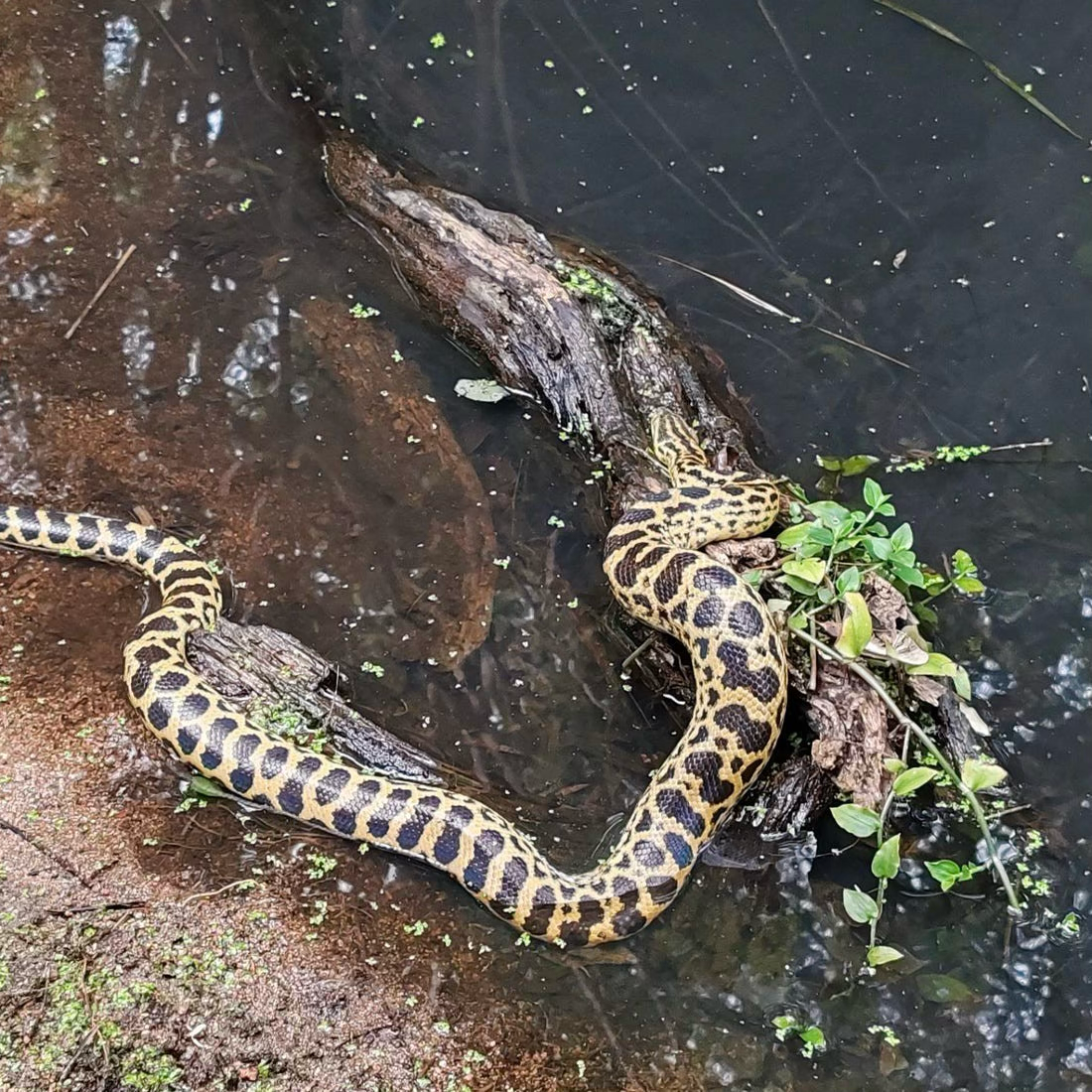
Using the same Facebook post as reference, we identify behind-the-scenes imagery matching Episode 1 at timestamp 00:06:43. Here is the image posted to Facebook:
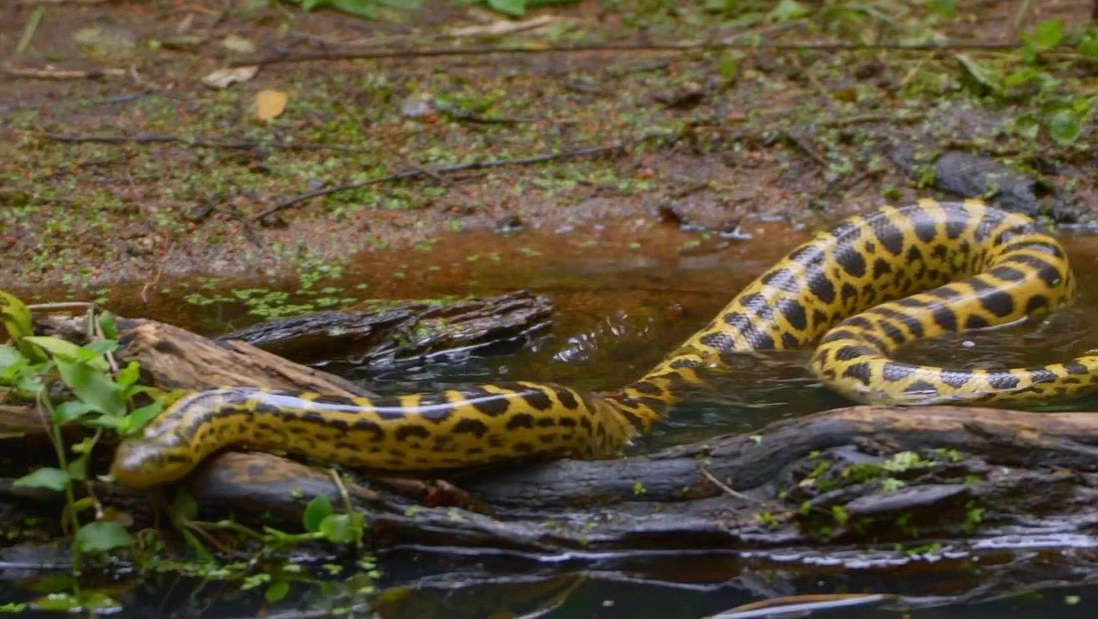
And the following frame grab is from
Secret World of Snakes.
The Secret World of SnakesEpisode 1 00:06:43
Observations
The environment and snake clearly match the behind-the-scenes photograph.
While
no predation occurs in this scene, it was likely filmed at The Living Vivarium in a staged setting. We do not object to the filming of captive animals where they are treated ethically; however, such scenes should be clearly disclosed in the programme credits. No such disclosure appeared initially in either
The Secret World of Snakes or
The Hidden World of Snakes when it was initially broadcast, although it was added at a later date.
Episode 1, Scene 3
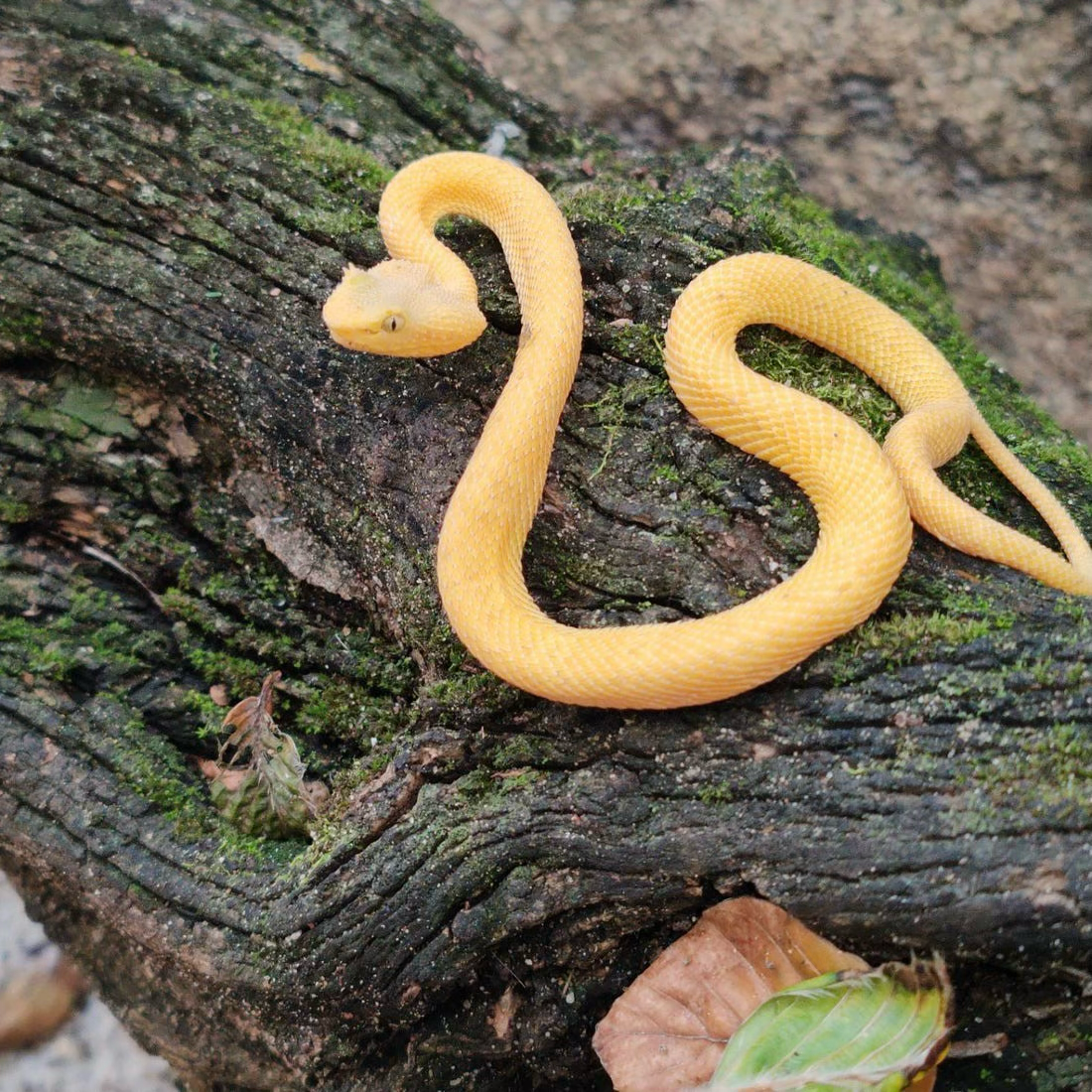
Location: “Colombia — Choco Rainforest”
Species: Eyelash Viper
Here we again rely on an image from the same Facebook post as Scene 1.
And the following frame grabs are from
The Secret World of Snakes Episode 1.
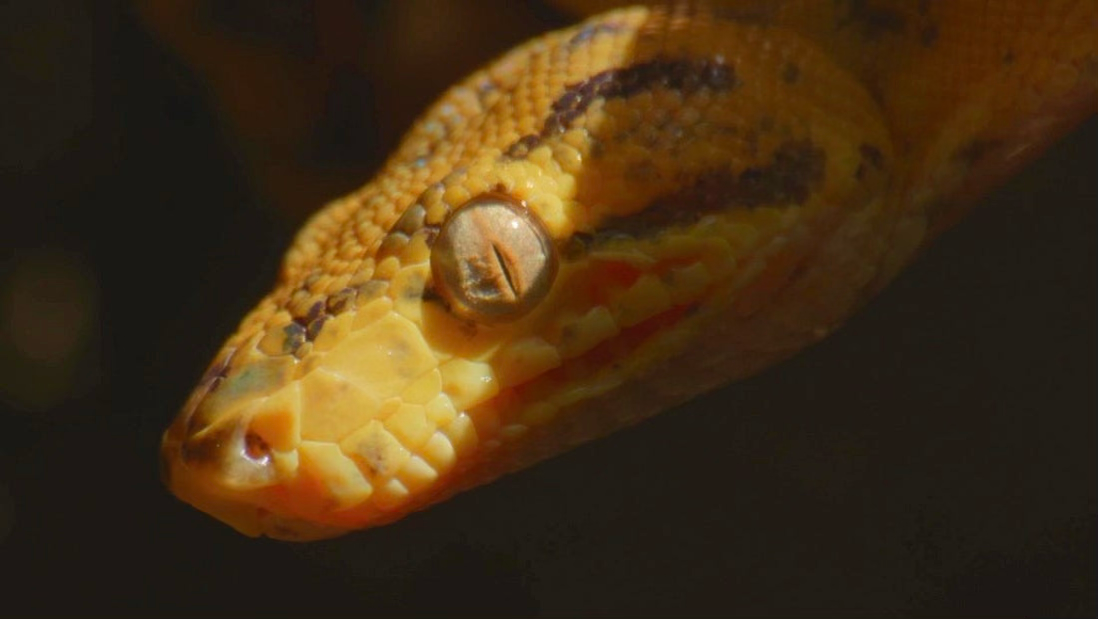
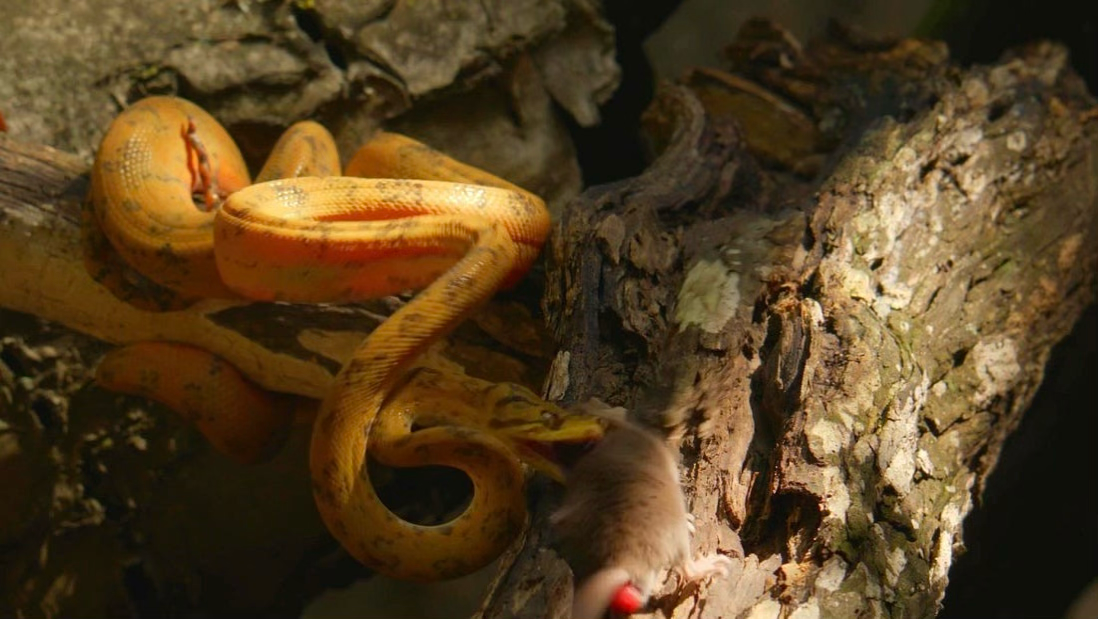
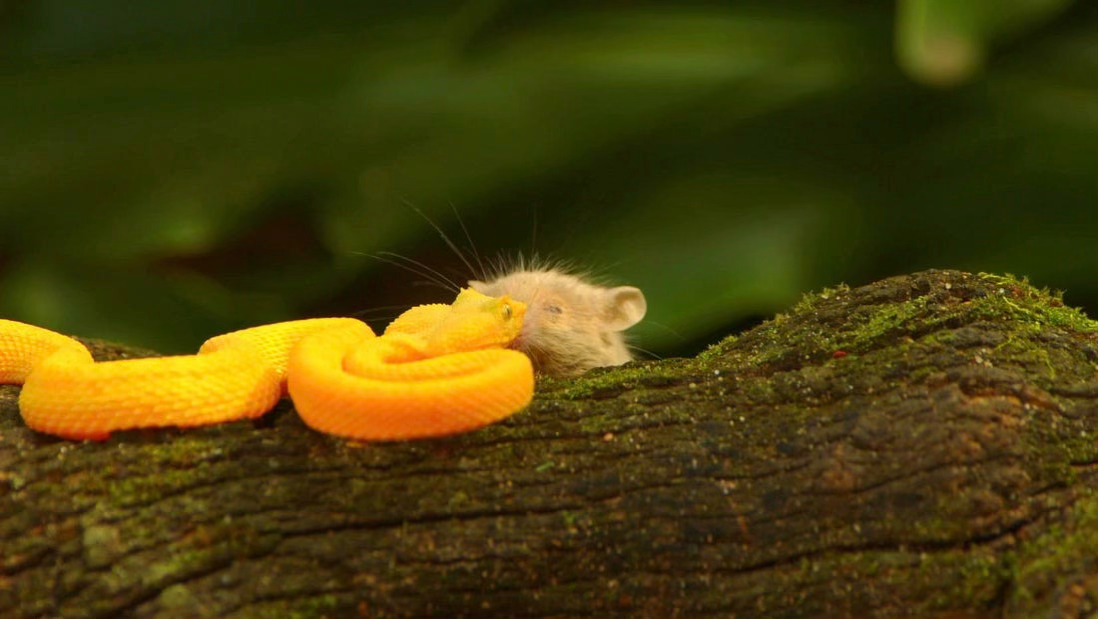
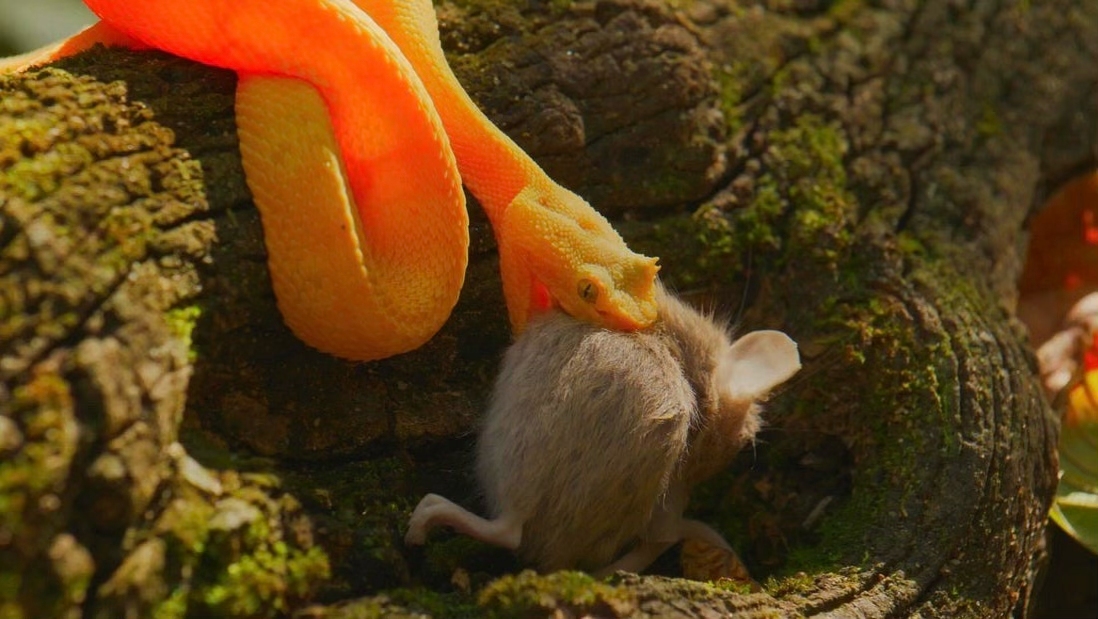
The Secret World of SnakesEpisode 1 00:10:22
The Secret World of SnakesEpisode 1 00:10:42
Observations
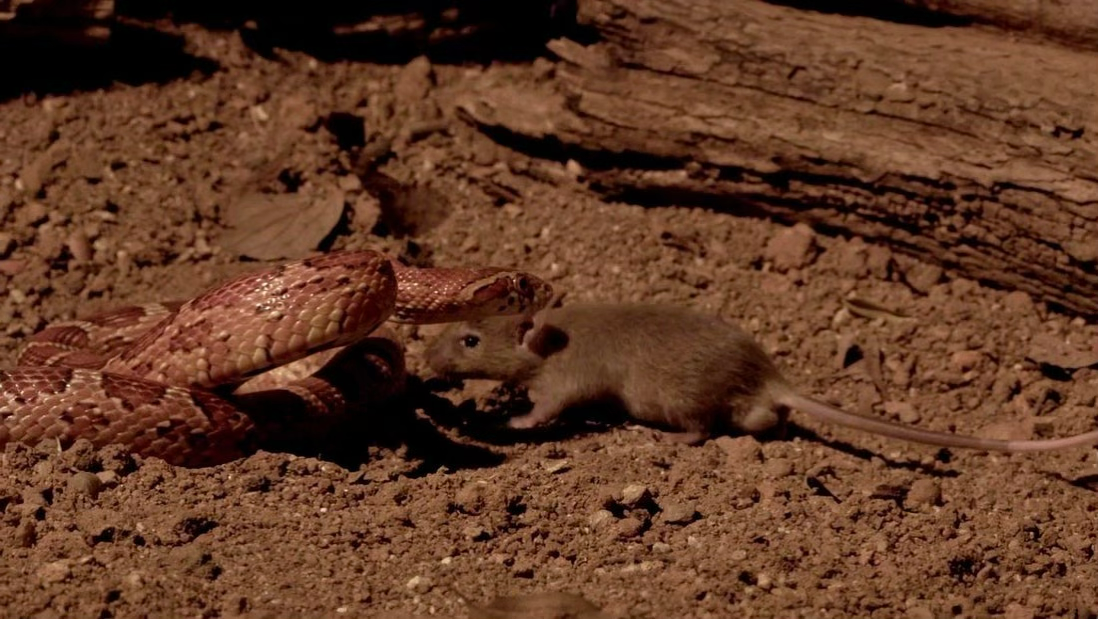
The snake and its environment match exactly. The voiceover describes the prey as “an old disoriented mouse”; however, the animal appears to be a very young feeder mouse displaying no natural flight response. It is clearly not a wild rodent. Rather than fleeing, the mouse approaches and sniffs the snake, behaviour that is
highly inconsistent with that of a wild rodent encountering a predator.
Scene 3 was almost certainly filmed in a controlled setting with the assistance of The Living Vivarium and includes predation.
“Controlled Conditions”
Following our reporting and
after the series had already been broadcast by National Geographic, Lion Mountain Media and Bomanbridge Media added the following disclaimer to the end credits of the episode:
“Some sequences were filmed under controlled conditions. All scenes represent accurate animal behaviour.”
This disclosure confirms that at least some material presented in the programme was not filmed in the wild. However, it does not identify which sequences were filmed under controlled conditions, nor does it disclose whether any predation scenes involving live animals were staged.
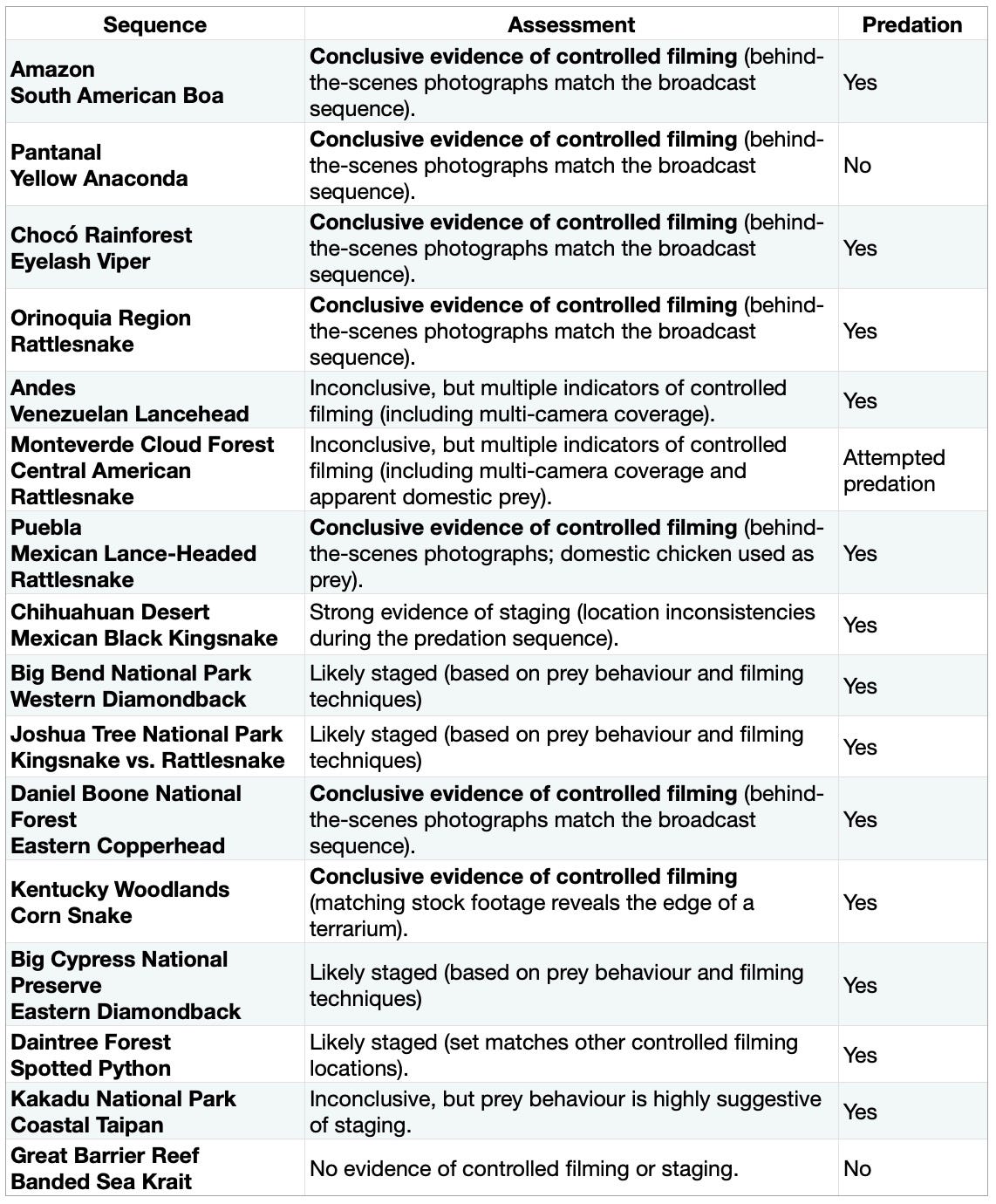
The evidence presented above indicates that the first four sequences in the episode were all filmed under controlled conditions, with three of those four depicting predation. A scene-by-scene assessment of the episode reveals that evidence of controlled filming or staged predation extends far beyond those opening sequences:
Of the sixteen sequences in this episode,
only two do not depict predation. One is the Great Barrier Reef sequence featuring the Banded Sea Krait, for which we found no evidence of staging or controlled filming. The other is the Yellow Anaconda sequence, which does not depict predation but for which we found conclusive evidence that it was filmed under controlled conditions.
Every other sequence in the episode depicts predation or an attempted predation event. In each case the prey animal appears to be
a domestic or captive species rather than a naturally occurring wild animal, further reinforcing concerns that these scenes were filmed under controlled conditions rather than documenting spontaneous events in the wild.
Overall Assessment
This report presents verifiable photographic evidence and timestamped frame comparisons directly linking on-screen footage from the first four scenes of Episode 1 of
The Secret World of Snakes to behind-the-scenes images of clearly staged setups. These scenes were most likely filmed by Lion Mountain Media at or near The Living Vivarium & Inmates pet shop in Johannesburg, South Africa. Three of these scenes depict predation involving the
intentional killing of live mammals.
When considering these findings, bear in mind the evidence indicating that the staging occurred in South Africa — where staging predation for entertainment contravenes animal cruelty regulations.