Animal Advocacy Investigating Animal Welfare Concerns.

The Wild Truth

Newcomer
Joined
May 28, 2026
Reaction score
11
Location
London
Lifestyle
  1. Vegan newbie
Hi everyone,

We’re an investigative group called The Wild Truth and we wanted to introduce our work to this community, as it may be of interest to those concerned with animal welfare and the ethics of how animals are represented in media.

Our focus is on animal welfare concerns within the wildlife filmmaking industry, particularly where animals are used in ways that may not be transparent to audiences.

We have documented what we believe to be serious welfare and ethical concerns across multiple productions by Lion Mountain Media, a Johannesburg-based production company. This includes National Geographic series such as Africa’s Deadliest and The Hidden World of Snakes. Our findings are based on detailed analysis of broadcast footage, production credits, behind-the-scenes material, and other publicly available information.

We initially reached out to the companies involved to raise these concerns directly. In response, we either received no response at all (including from National Geographic) or threatening responses through legal representatives.

Since publishing parts of our findings, a significant portion of our social media presence has also been taken down following what we believe are spurious DMCA complaints linked to companies we are investigating. Despite this, our Substack remains active and continues to host most of our published reporting and supporting materials.

Overview of our work can be found here:
Investigation Archive: Reports and Videos on Staged Predation in Wildlife Film

One of our recent videos is here:
VIDEO: Tipping the Scales

An external article discussing our work is here:
The Wild Truth about wildlife videos & lack of humane jurisdiction - Animals 24-7

We emphasise that our reporting is evidence-based and relies on publicly accessible material that can be independently reviewed by others. We also note that the production companies involved are in a position to directly refute our findings if they are inaccurate, yet to date no substantive conflicting evidence addressing the specific issues we have raised has been provided.

Our work focuses particularly on concerns such as:
  • staged predation sequences,
  • captive or managed animals being presented as wild,
  • potential welfare issues during filming,
  • and broader transparency concerns in wildlife documentary production.
We are sharing this here because we believe community awareness and independent scrutiny are important, especially where mainstream media narratives may not reflect how footage is actually produced.

If people here are willing to help, the most useful support would be sharing our Substack posts and video links to increase visibility, or discussing and referencing the material in relevant forums where these issues are being debated. Independent discussion and archival awareness are particularly valuable given ongoing takedown attempts.

Happy to answer questions or discuss further.

The Wild Truth
 
Hi. Unfortunately our Substack account has been targeted by what we believe to be unfounded DMCA claims relating to videos we posted there. As a result, we have lost access to the account and the material hosted on it.

We have therefore compiled all of our reports below, excluding the videos themselves. The reports contain the evidence and analysis underlying our concerns about animal welfare practices in wildlife filmmaking.

Note: Some of the images below may be disturbing or upsetting to sensitive viewers.

Reports on Evidence of Animal Cruelty in Natural History Productions (part 1)​

August 2026​

1*J9n634KzczvvREOsWHKF8w.png

If you have information that may assist our investigations, wish to discuss the evidence presented in this report, or would like to request supporting materials, please contact us at thewildtruth2026@gmail.com or wild.truth@mail.com.

We are happy to provide full-resolution images, frame comparisons, source materials, and other supporting documentation to substantiate the findings presented in this report.


Table of Contents​

Introduction
Evidence of Staged Predation in The Secret World of Snakes Episode 1
Evidence of Staged Predation Scene Between Two Cobras in The Secret World of Snakes Episode 2
A Tale of Two Trees
Staged Gaboon Viper Predation Scene in The Secret World of Snakes
Crew Heard Laughing While Filming Corn Snake Kill
Madagascar’s Weirdest Log
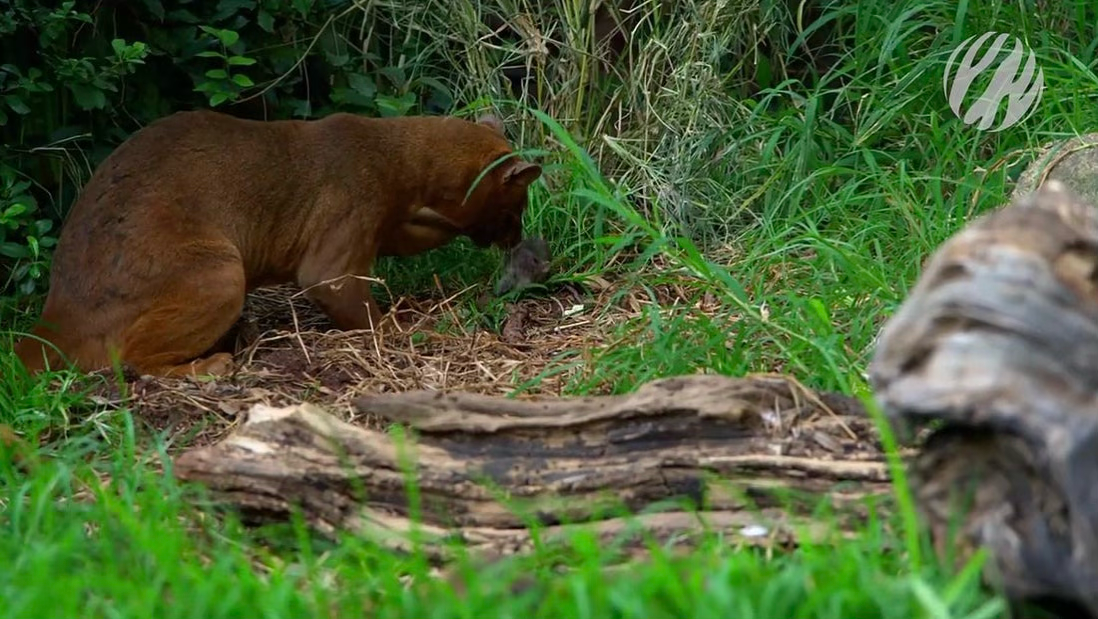
A Fossa Fraud — Evidence of Reused Sets and Staged Predation
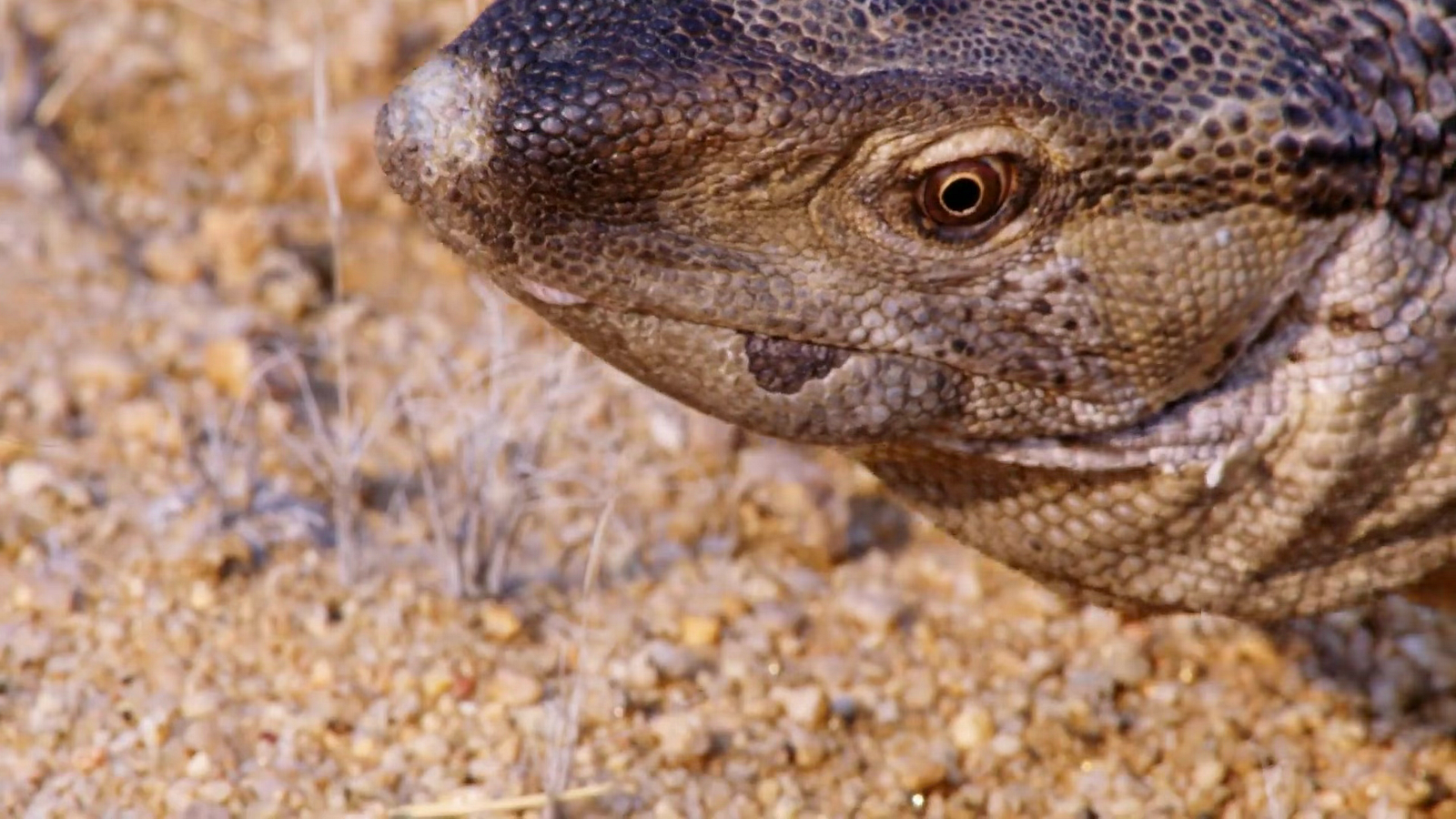
A Very Voracious Veranus
Several Snake Scenes Staged Using Same Set
Staged Predation Scene in Africa’s Deadliest Season 5 Episode 1
Staged Predation Scenes in The Secret Creatures of Thailand and Africa’s Deadliest Season 7 Episode 1
Conclusion


Introduction

The Wild Truth is a group of anonymous wildlife filmmaking professionals and industry insiders dedicated to investigating and documenting evidence of unethical practices and potential animal cruelty in wildlife documentary production.

Over the past several months, we have published a series of detailed reports examining evidence that predation scenes in wildlife documentaries may have been staged using captive animals. Our investigations focus on productions involving Lion Mountain Media, Aquavision TV Productions, African Reptiles and Venom, and The Living Vivarium, with programmes distributed by Bomanbridge Media and Earth Touch Media and broadcast by National Geographic.

The evidence presented in these investigations indicates that animals were intentionally placed into staged predation scenes, resulting in their deaths, and that those sequences were subsequently broadcast to audiences as authentic depictions of wild animal behaviour. These findings suggest not only a serious breach of documentary ethics, but also raise significant animal welfare concerns.

The scenes we analyse below, which appear to have been staged or otherwise manipulated for filming, include scenes with:
  • snakes killing other snakes;
  • snakes killing rodents;
  • snakes killing amphibians;
  • snakes killing birds;
  • monitor lizards killing rodents;
  • monitor lizards killing snakes;
  • mongooses killing snakes;
  • a mongoose killing a Nile crocodile hatchling; and
  • a fossa killing a rodent.
We have provided the organisations named in our investigations with the opportunity to review the evidence and respond to our conclusions. To date, none has produced evidence that directly addresses or contradicts the specific factual findings documented in our reports.

Lion Mountain Media

Lion Mountain Media has corresponded with us extensively, both directly and through its legal representatives. During that correspondence, the company informed us that it had engaged a private investigator in an attempt to identify us.

After initially declining to engage, Lion Mountain Media provided lengthy responses discussing general wildlife behaviour, standard filming practices, company policies, and the scale of its archival footage. However, these responses did not directly address the specific evidence presented in our investigations.

Throughout our correspondence, we repeatedly asked two simple factual questions:
  1. Were any animals intentionally harmed or subjected to unnecessary suffering during production?
  2. Were all predation scenes with live prey filmed in the wild and not staged in captivity?
Despite multiple opportunities over the course of several emails, neither question was answered. After we presented further evidence, including behind-the-scenes photographs published by a pet shop located not far from Lion Mountain Media’s offices that appeared to match scenes broadcast in The Secret World of Snakes, correspondence was taken over entirely by the company’s legal representatives. They characterised our work as “false”, “defamatory”, and “unlawful”. However, despite these serious allegations, neither Lion Mountain Media nor its lawyers identified a single statement in any of our reports that they asserted was factually incorrect, nor did they provide any evidence demonstrating that any of our findings were false.

Bomanbridge Media

As co-producer and distributor of The Secret World of Snakes, Bomanbridge Media was provided with the same evidence and a series of questions concerning animal welfare oversight, ethical standards, disclosure, and its knowledge of the production. Rather than responding directly, all correspondence was handled through the company’s solicitor.

Bomanbridge Media stated that it was committed to high ethical and animal welfare standards, required production partners to comply with applicable legislation and recognised industry guidelines, and would take appropriate action if those standards were shown to have been breached. However, it did not answer our specific questions concerning the production itself, nor did it directly address the evidence presented in our investigations.

After we supplied further evidence linking multiple predation scenes to behind-the-scenes photographs published by a Johannesburg pet shop credited at the end of the episode, Bomanbridge Media ceased responding altogether.

National Geographic

National Geographic is the broadcaster of most of the productions examined in this report and commissioned Africa’s Deadliest. We are aware that senior National Geographic personnel became aware of our allegations through correspondence from Lion Mountain Media. In particular, Peter T. Lamberti, CEO of Lion Mountain Media and Aquavision TV Productions, copied Janet Han Vissering, Senior Vice President of Development and Production for National Geographic Content, on correspondence relating to our investigations.

We also independently provided National Geographic with the evidence supporting our findings. Despite having multiple opportunities to review that evidence, National Geographic has not provided a response to our reports or answered our questions concerning the production or broadcast of the programmes examined in our reports.

The National Geographic Society

We twice reported our findings to the National Geographic Society through its ethics reporting system, providing detailed reports, supporting evidence, and links to our video analyses. We explained that our objective was to prevent unnecessary harm to animals and asked the Society to review evidence suggesting that predation scenes broadcast under the National Geographic brand had been staged using captive animals.

In response, the Society stated that it does not produce or control National Geographic television programming, is a separate non-profit organisation, is not affiliated with Lion Mountain Media, and that our concerns should instead be directed to The Walt Disney Company. The Society advised that it could not assist further and would not respond to any additional correspondence.

However, we subsequently noted that the Society’s published Corporate Responsibility Policy (Corporate Responsibility Policy - National Geographic Society) clearly states that “All National Geographic-branded activities, products, and services will be legally, ethically and sustainably created” and “All references to National Geographic are intended to include both the National Geographic Society, the licensee National Geographic Partners, LLC, and affiliates of The Walt Disney Company (“NGP/Disney”) involved in the creation of National Geographic-branded activities, products, and services.”

Taken together, these statements appear to indicate that the ethical principles set out in the policy are intended to apply across all National Geographic-branded activities, including those created by NGP/Disney under licence from the Society.

We have also recently added a report titled “Several Snake Scenes Staged using Same Set” that indicates that a scene depicting mongooses killing a snake in Season 1 of Africa’s Deadliest was likely staged in an enclosure. Season 1 was produced prior to the split between the Society and National Geographic Partners. We have submitted this report to the Society and are waiting for their response.

DMCA Abuse

In addition to publishing written reports, we produced a series of videos presenting the evidence uncovered during our investigations. Following their publication, Lion Mountain Media submitted multiple DMCA copyright complaints against our content. As a result, our videos were removed from multiple platforms, our social media accounts were suspended or disabled, and even some of our email accounts were blocked, significantly limiting our ability to communicate our findings.

We believe these copyright complaints are without merit. Our videos are transformative works created for the purposes of criticism, commentary, and public interest reporting, and we believe they constitute fair use (or the equivalent fair dealing exceptions in applicable jurisdictions). We believe that copyright law should not be used to suppress legitimate public scrutiny or prevent discussion of matters of public interest.

Sources of Evidence

This document brings together the findings of our investigations into a single report, presenting the evidence in one place.

The overwhelming majority of the evidence presented in this report is derived from publicly available sources, including television broadcasts, YouTube videos, Facebook posts, production company websites, and other publicly accessible material. Wherever possible, we rely on primary source material and provide sufficient detail for readers to independently verify our findings.

In addition, we relied on two confidential sources. First, we received a pre-release copy of The Secret World of Snakes, which was subsequently broadcast by National Geographic under the title The Hidden World of Snakes. Aside from the title change, the broadcast version was otherwise identical to the version we received. Second, an anonymous source provided us with Aquavision TV Productions screener videos showing predation sequences filmed under controlled conditions. The authenticity of these screeners has since been independently corroborated by Lion Mountain Media’s DMCA copyright complaints, which identify the same material, as well as by the inclusion of matching footage in later broadcast productions.

Each report includes a section outlining the sources of evidence and clearly stating whether or not they are publicly available.


Evidence of Staged Predation in The Secret World of Snakes Episode 1

Staged Scenes in Episode 1, Scenes 1 to 3.​

Production: The Secret World of Snakes, 2026, Episode 1
Production Company: Lion Mountain Media
Co-production: Bomanbridge Media / China Media Group
Broadcast: Nat Geo Wild (as The Hidden World of Snakes)
Executive Producers: Sonia Fleck, Carl Hall
Series Producer / Director / Director of Photography: Peter Lamberti
Producer / Writer: Kira Ivanoff

Sources of Evidence

Frame grabs from The Secret World of Snakes Episode 1 publicly broadcast on Nat Geo Wild and other channels.

Public Facebook posts by The Living Vivarium & Inmates Pet Shop who are credited at the end of The Secret World of Snakes. After we contacted the pet shop, these posts were deleted, but we have verifiable copies available.

Introduction

This report examines the first four sequences in the wildlife documentary series The Secret World of Snakes, which is also broadcast on Nat Geo Wild under the title The Hidden World of Snakes.

Episode 1, Scene 1

Location: “Brazil — Amazon Forests”
Species: South American Boa

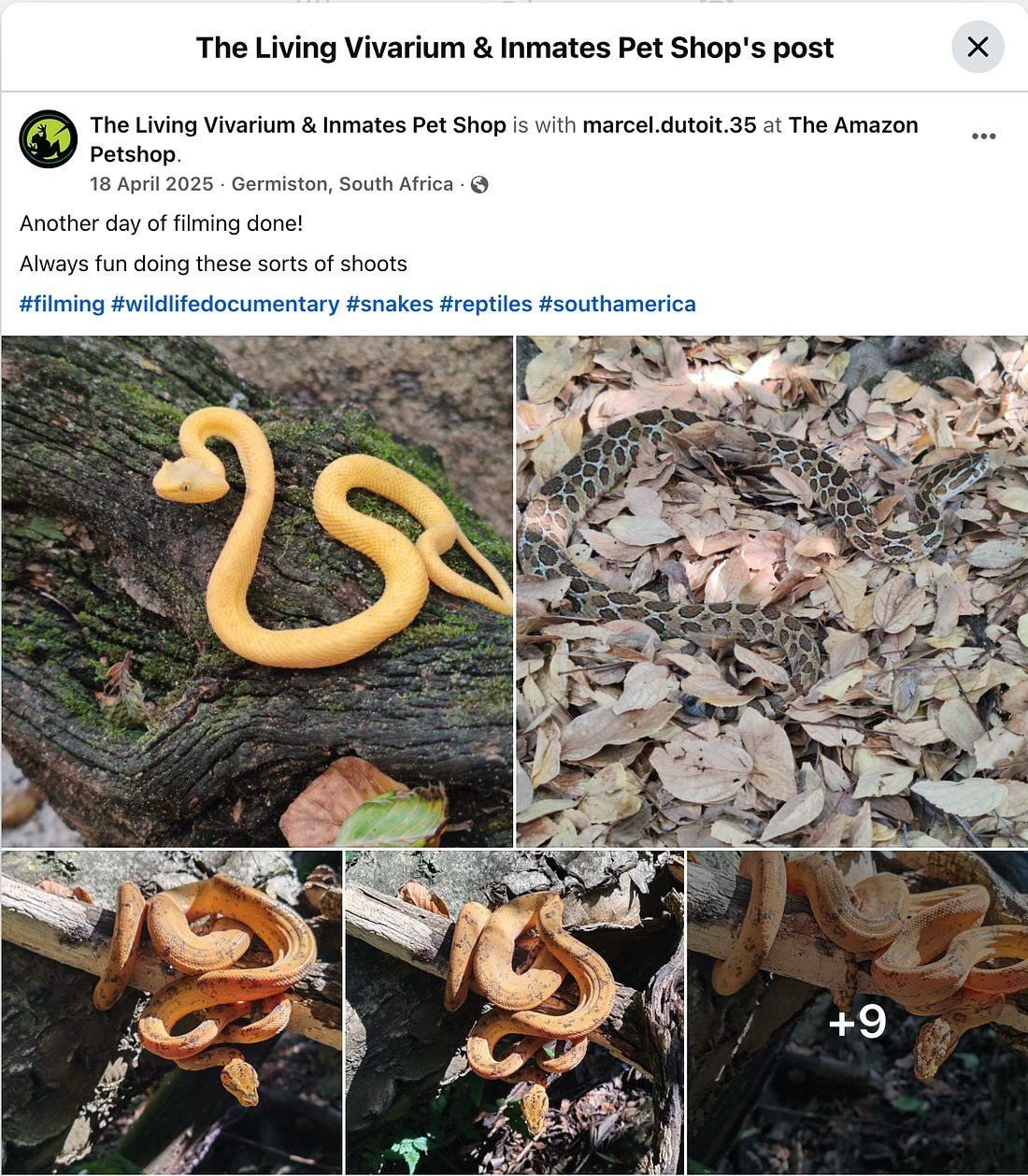
On 18 April 2025, The Living Vivarium & Inmates Pet Shop (Welcome) posted a series of 13 behind-the-scenes photos to Facebook with the text:

“Another day of filming done! Always fun doing these sorts of shoots #filming #wildlifedocumentary #snakes #reptiles #southamerica”

Source: 8w3DRDLxHjeRD9MkoiPYadhEz3Y5wztTWH2jvTz2X2UWwKTpBbxl

1*0WNTuKKt-o9GBr4fe29ceg.png
The Living Vivarium & Inmates Pet Shop Facebook Post

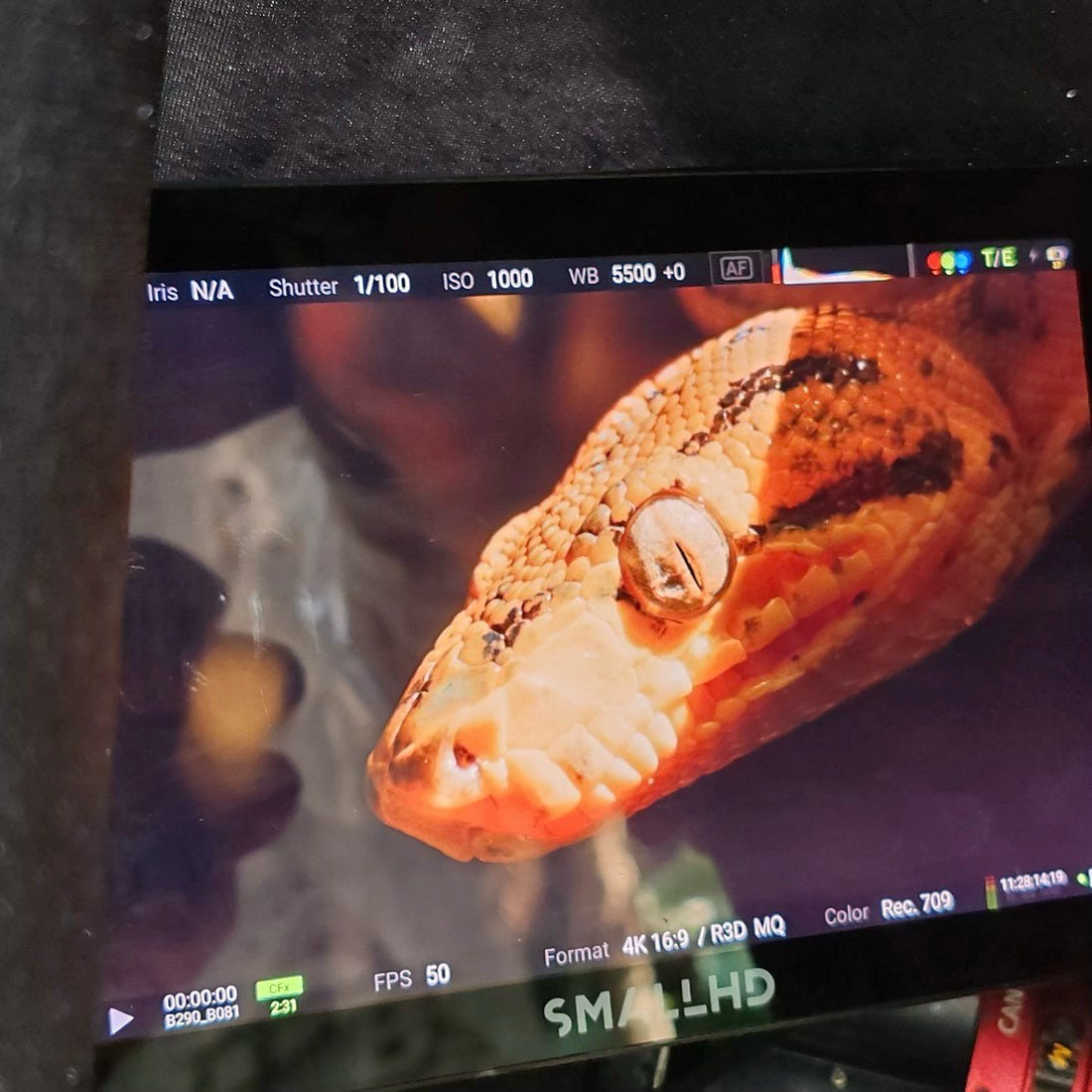
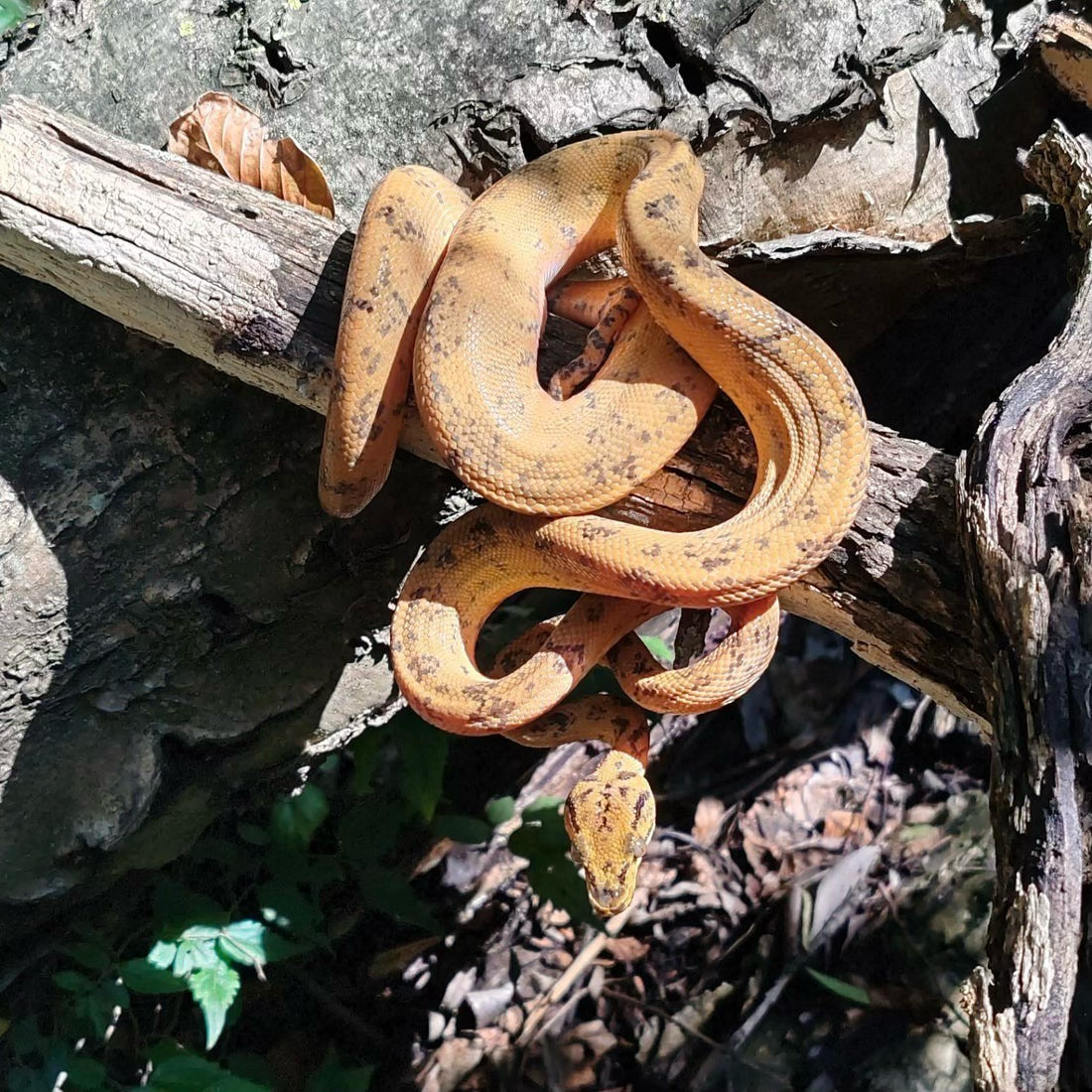
We have matched several of these images with Scene 1 in Episode 1. First we will consider two of the images posted to Facebook:

1*NI7lpffsSzhzB2yJfofkcw.png
1*bnp18BfWxCHTs5A7C-9khg.png


And the following frame grabs from The Secret World of Snakes Episode 1. Note that the time codes here are taken from The Secret World of Snakes and will differ slightly from The Hidden World of Snakes due to the shorter intro sequence of that show.

1*ccgYoFSetKFI3W1852nUDw.png
The Secret World of Snakes00:03:31

1*bCT6eOnpF_3CDmbfyEWuYQ.png
The Secret World of Snakes00:03:44

Observations

The close-up of the camera screen in the behind-the-scenes image perfectly matches the on-screen shot in the episode. The snake position and markings on the branch match exactly with the Facebook images.

The strike sequence occurs on the same branch, indicating the predation sequence was not filmed at a different location.

The predation shots in Scene 1 were likely filmed at The Living Vivarium pet shop by Lion Mountain Media.

Episode 1, Scene 2

Location: “Brazil — Pantanal”
Species: Yellow Anaconda

Using the same Facebook post as reference, we identify behind-the-scenes imagery matching Episode 1 at timestamp 00:06:43. Here is the image posted to Facebook:

1*MjB3JU2kSyeWvuES-5fQnw.png


And the following frame grab is from Secret World of Snakes.

1*oVuPzMIW9xwelqW7jv9a8A.png
The Secret World of SnakesEpisode 1 00:06:43

Observations

The environment and snake clearly match the behind-the-scenes photograph.

While no predation occurs in this scene, it was likely filmed at The Living Vivarium in a staged setting. We do not object to the filming of captive animals where they are treated ethically; however, such scenes should be clearly disclosed in the programme credits. No such disclosure appeared initially in either The Secret World of Snakes or The Hidden World of Snakes when it was initially broadcast, although it was added at a later date.

Episode 1, Scene 3

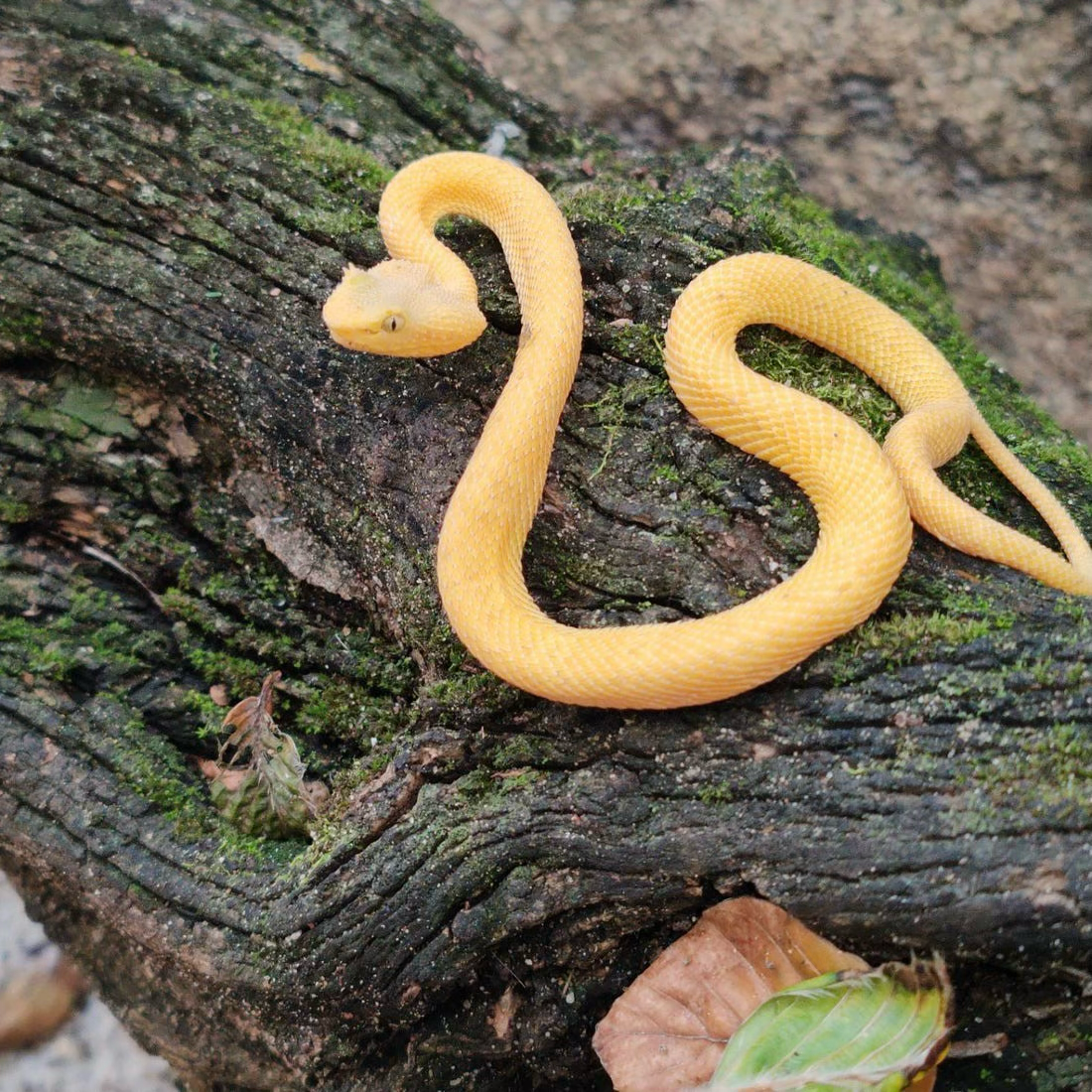
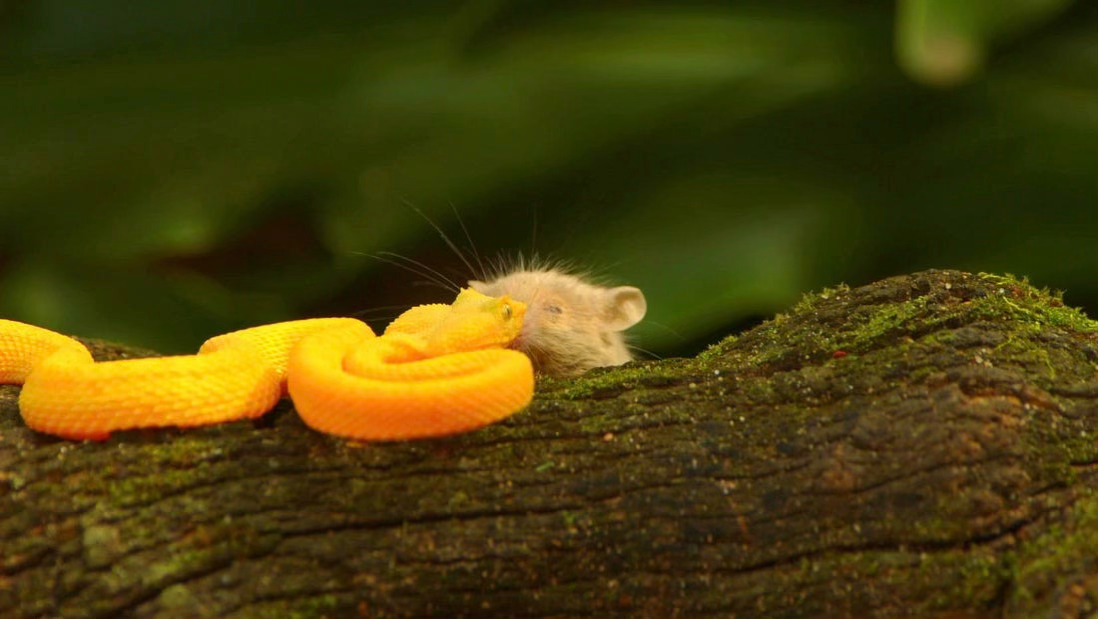
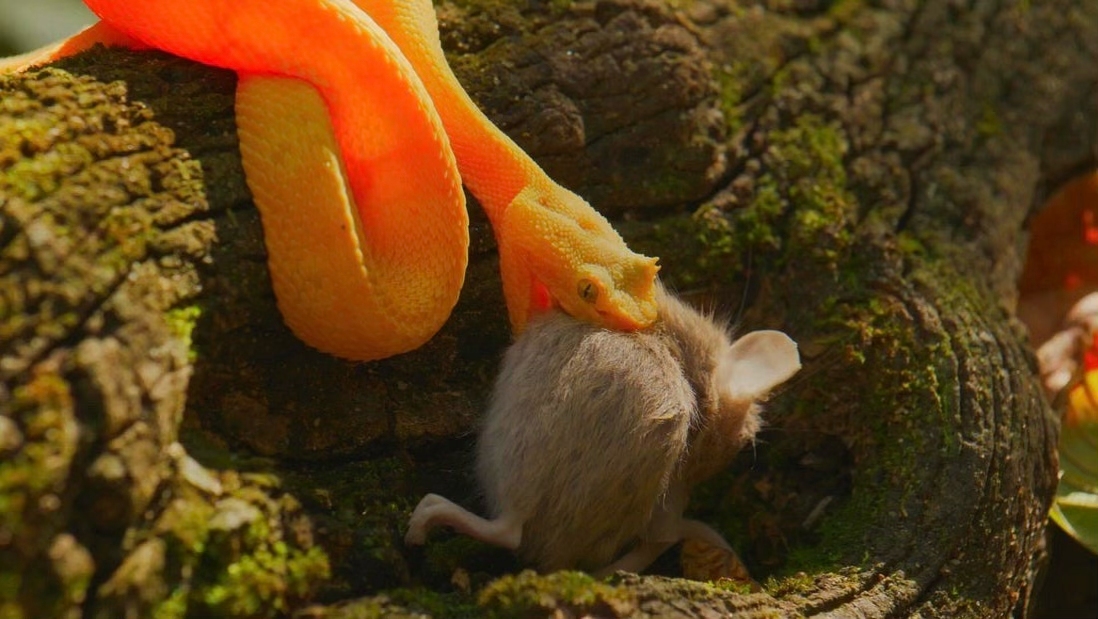
Location: “Colombia — Choco Rainforest”
Species: Eyelash Viper

Here we again rely on an image from the same Facebook post as Scene 1.

1*8nGmyjTbNJuKWzh2rTVwjg.png


And the following frame grabs are from The Secret World of Snakes Episode 1.

1*GFoVGllaJJNt2mWP4JaR7A.png
The Secret World of SnakesEpisode 1 00:10:22

1*qtvY1kGk1VB2S2Zshdds_w.png
The Secret World of SnakesEpisode 1 00:10:42

Observations

The snake and its environment match exactly.
The voiceover describes the prey as “an old disoriented mouse”; however, the animal appears to be a very young feeder mouse displaying no natural flight response. It is clearly not a wild rodent. Rather than fleeing, the mouse approaches and sniffs the snake, behaviour that is highly inconsistent with that of a wild rodent encountering a predator.

Scene 3 was almost certainly filmed in a controlled setting with the assistance of The Living Vivarium and includes predation.

“Controlled Conditions”

Following our reporting and after the series had already been broadcast by National Geographic, Lion Mountain Media and Bomanbridge Media added the following disclaimer to the end credits of the episode:

“Some sequences were filmed under controlled conditions. All scenes represent accurate animal behaviour.”

This disclosure confirms that at least some material presented in the programme was not filmed in the wild. However, it does not identify which sequences were filmed under controlled conditions, nor does it disclose whether any predation scenes involving live animals were staged.

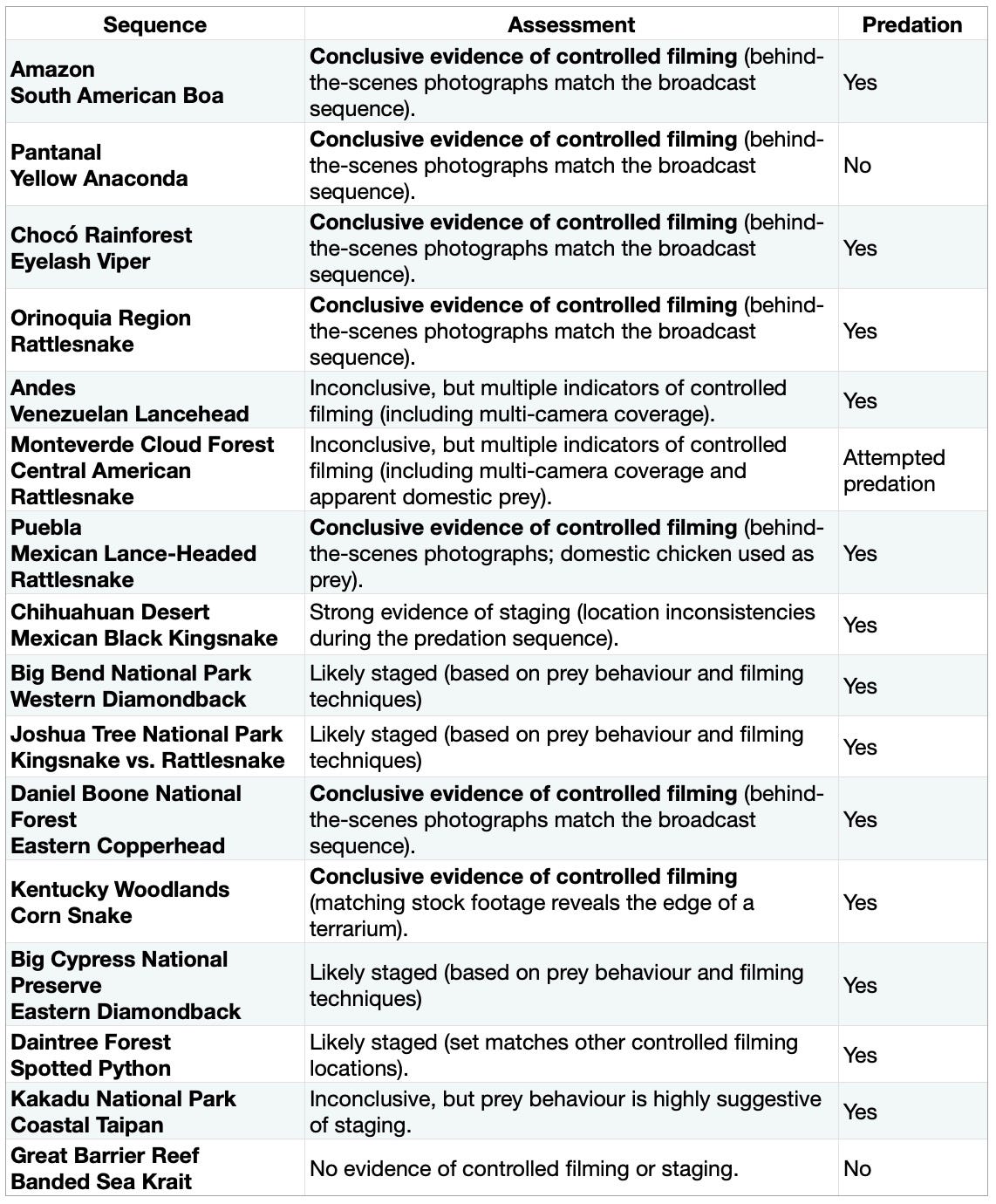
The evidence presented above indicates that the first four sequences in the episode were all filmed under controlled conditions, with three of those four depicting predation. A scene-by-scene assessment of the episode reveals that evidence of controlled filming or staged predation extends far beyond those opening sequences:

1*SVKsLRYlIUPxi0cy8xjscg.jpeg

Of the sixteen sequences in this episode, only two do not depict predation. One is the Great Barrier Reef sequence featuring the Banded Sea Krait, for which we found no evidence of staging or controlled filming. The other is the Yellow Anaconda sequence, which does not depict predation but for which we found conclusive evidence that it was filmed under controlled conditions. Every other sequence in the episode depicts predation or an attempted predation event. In each case the prey animal appears to be a domestic or captive species rather than a naturally occurring wild animal, further reinforcing concerns that these scenes were filmed under controlled conditions rather than documenting spontaneous events in the wild.

Overall Assessment

This report presents verifiable photographic evidence and timestamped frame comparisons directly linking on-screen footage from the first four scenes of Episode 1 of The Secret World of Snakes to behind-the-scenes images of clearly staged setups. These scenes were most likely filmed by Lion Mountain Media at or near The Living Vivarium & Inmates pet shop in Johannesburg, South Africa. Three of these scenes depict predation involving the intentional killing of live mammals.

When considering these findings, bear in mind the evidence indicating that the staging occurred in South Africa — where staging predation for entertainment contravenes animal cruelty regulations.

 
  • Informative
Reactions: 1956

Reports on Evidence of Animal Cruelty in Natural History Productions (part 2)​


Evidence of Staged Predation Scene Between Two Cobras in The Secret World of Snakes Episode 2

Report on evidence of staged fight to the death between two cobras.

Production: The Secret World of Snakes, 2026, Episode 2
Production Company: Lion Mountain Media
Co-production: Bomanbridge Media / China Media Group
Broadcast: Nat Geo Wild (as The Hidden World of Snakes)
Executive Producers: Sonia Fleck, Carl Hall
Series Producer / Director / Director of Photography: Peter Lamberti
Producer / Writer: Kira Ivanoff

Sources of Evidence

Frame grabs from The Secret World of Snakes Episode 2 publicly broadcast on Nat Geo Wild and other channels.

Introduction

This report examines a sequence in the wildlife documentary series The Secret World of Snakes, which is also broadcast on Nat Geo Wild under the title The Hidden World of Snakes.

The series is a co-production involving Bomanbridge Media, Lion Mountain Media, and China Media Group, and has been licensed to National Geographic for broadcast in Europe, the Middle East and Africa and Discovery for parts of Asia.

The sequence analysed in this report depicts a confrontation between a Snouted Cobra (Naja annulifera) and a Mozambique Spitting Cobra (Naja mossambica) roughly 24 minutes into episode 2 of the series. The programme presents the encounter as a single continuous predatory interaction occurring in the wild.

Our analysis of the footage indicates that the sequence likely combines footage of two different spitting cobras being killed by the same snouted cobra. This strongly suggests that the scene was staged using captive animals.

Observations

Frame-by-frame analysis

The sequence was examined frame-by-frame in order to identify visible anatomical features and markings on the snakes involved. Note that the time codes here are taken from The Secret World of Snakes and will differ slightly from The Hidden World of Snakes due to the shorter intro sequence of that show.

Screen captures

High-resolution frame grabs were taken from key moments in the sequence, including:

1*5Ls8yH5HIffq2NfzHnwbKA.png
The snouted cobra during the water sequence at 00:24:46

1*h4IzxN2i8bHG7l3IfTU5RA.png
The snouted cobra during the land sequence at 00:25:23

1*DWk03MkDvmXmXcPVCe3rTQ.png
The spitting cobra during the water sequence at 00:25:08

1*LtVeOmE7BTq2Lw8sg2zWeA.png
The spitting cobra during the land sequence at 00:25:29

These images are included in this report to allow direct comparison of scale patterns and markings.

Morphological comparison

Snake scale patterns and markings are unique to individual animals and can be used to distinguish between individuals. Visible scale arrangements, colour patterns, and other markings were compared between the water and land portions of the sequence.

Evidence of Staged Predation

Comparison of the snakes visible in the water and land sequences reveals the following:

Snouted cobra

Distinctive scale arrangements and markings on the attacking snake match across both the water and land footage. These features are consistent and indicate that the same individual snouted cobra appears in both parts of the sequence.

Spitting cobra

In contrast, the spitting cobra visible in the water sequence does not match the spitting cobra visible in the land sequence. Differences in scale patterning and markings show that two different individuals are present.

Implications

The sequence therefore depicts:
  • one individual snouted cobra
  • killing two different spitting cobras
Predatory interactions between cobras are extremely rarely observed in the wild. Observing even a single instance of one cobra killing another would be considered an exceptional event, and capturing such an interaction at close range on film would be highly unusual.

The probability of filming two separate predatory encounters between the same species is therefore incredibly unlikely.

But two predatory encounters involving the exact same individual predator but two different prey individuals of the same species, is practically impossible in a natural setting.

Conclusion

The evidence presented above indicates that the sequence combines footage of two different spitting cobras being killed by the same snouted cobra.

The most plausible explanation is that these interactions were staged using captive animals, with individuals intentionally introduced to create a filmed confrontation ending in the death of two spitting cobras.

If this interpretation is correct, the sequence represents the deliberate staging of a lethal interaction between animals and the presentation of that interaction as a naturally occurring wild event.

A Tale of Two Trees

Staged Predation Scene in The Secret World of Snakes 2026 Episode 2

Production: The Secret World of Snakes, 2026
Production Company: Lion Mountain Media
Co-production: Bomanbridge Media / China Media Group
Broadcast: Nat Geo Wild (as The Hidden World of Snakes)
Executive Producers: Sonia Fleck, Carl Hall
Series Producer / Director / Director of Photography: Peter Lamberti
Producer / Writer: Kira Ivanoff

Sources of Evidence

Frame grabs from The Secret World of Snakes Episode 2 publicly broadcast on Nat Geo Wild and other channels.

Introduction

This report examines two sequences in Episode 2 of The Secret World of Snakes in relation to claimed filming locations and background continuity within the footage.

The focus is on whether visual background elements indicate potential reuse of a controlled filming environment.

Scene 1 (Opening Sequence)
  • Species: Mozambique spitting cobra (Naja mossambica)
  • Behaviour: Predation of a live bullfrog
  • Claimed location: Mashatu, Botswana
Scene 7 (~28:00 timestamp)
  • Species: Puff adders (Bitis arietans)
  • Behaviour: Mating behaviour
  • Claimed location: Kruger National Park, South Africa

Geographic Context

The two stated filming locations, Mashatu (Botswana) and Kruger National Park (South Africa), are:
  • Separated by several hundred miles
  • Located in distinct conservation systems
  • Characterised by different vegetation profiles and ecological conditions
On this basis alone, close similarity between environments would not be expected in natural field filming.

Background Analysis

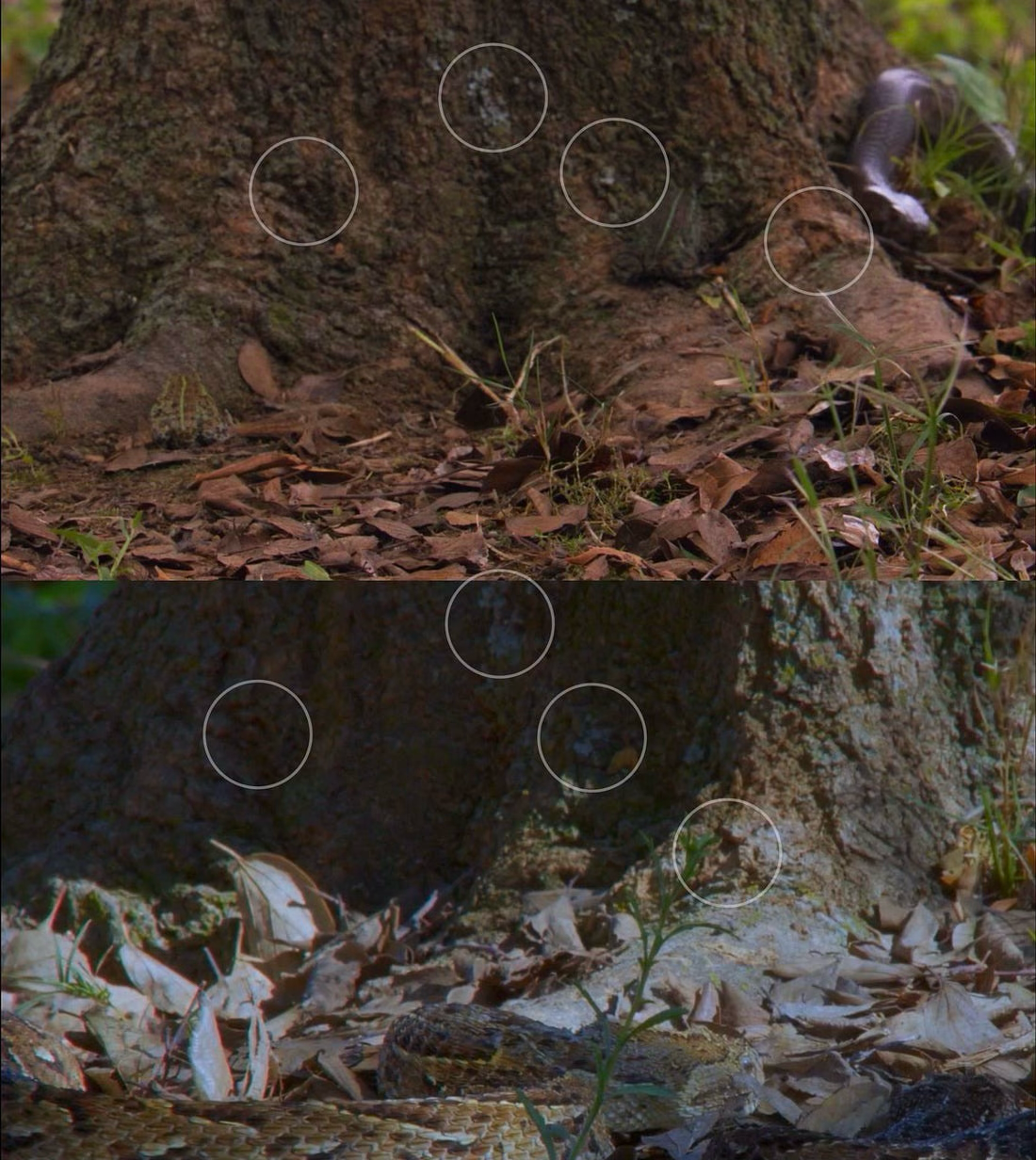
A tree appears in the background of both sequences. When we flip one of the sequences horizontally, and do a frame comparison of the tree we note:
  • Identical knot placement on the trunk
  • Matching bark texture patterns
  • Consistent root geometry
  • Identical lichen patches on trunk
Some of these indicators are circled in the images below. The top image is from the Cobra scene and the bottom one is from the Puff adder scene.

1*O-17h3trrvvzkDHAsUqfjQ.png


This supports the inference that the same location was used in both scenes and later presented as multiple geographic sites through editorial techniques.

(Note that we are not implying that the scenes were filmed at the same time. They could have been shot months or years apart and they were clearly shot at different times of the day.)

Ethical and Animal Welfare Considerations (Scene 1)

Staging scenes in natural history programming is not inherently unusual or even unethical when clearly disclosed; however, this does raise questions of transparency since there was initially no disclaimer in the credits and the encounters are presented as being captured in the wild.

But the first sequence is a predation sequence involving a live frog and a Mozambique spitting cobra. This raises an additional concern: if live prey was intentionally introduced for filming purposes, this would constitute a controlled predation setup rather than natural hunting behaviour. Such practices likely breach animal welfare regulations in South Africa, where we believe these scenes were filmed.

Conclusion

Based on frame comparisons, there is strong visual evidence suggesting reuse of a single filming environment across both sequences. The claim of two distinct wild locations (Botswana and South Africa) is not supported by observable environmental differentiation within the footage.

The material is consistent with staged filming of live predation and likely breaches South African animal welfare regulations.

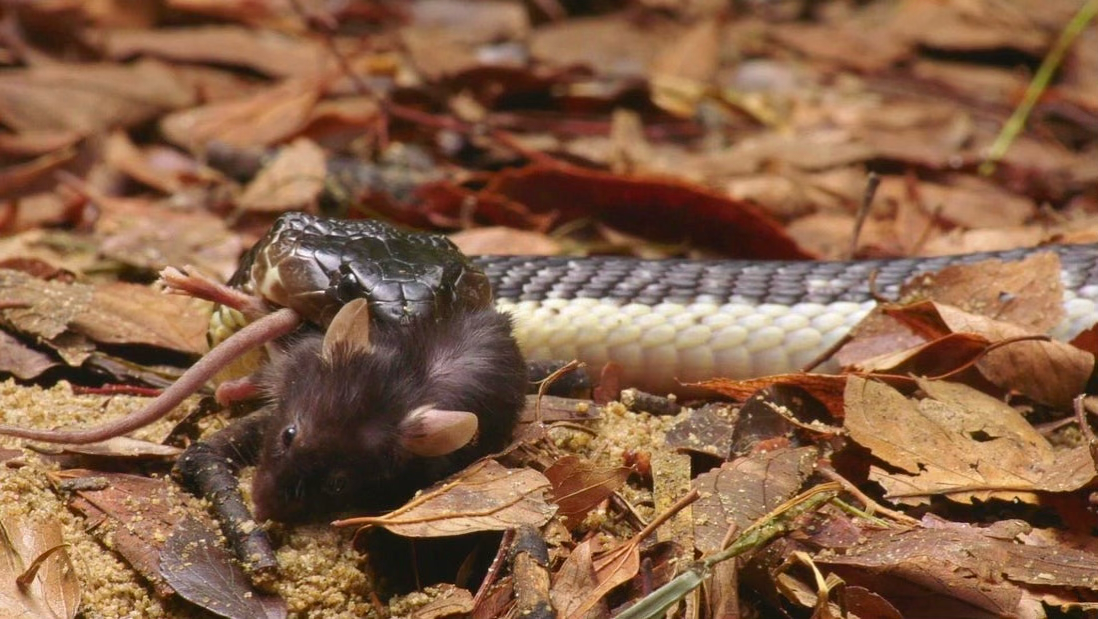
Staged Gaboon Viper Predation Scene in The Secret World of Snakes

The same viper is seen in a YouTube video published by African Reptiles and Venom

Production: The Secret World of Snakes, 2026 (Episode 2)
Production Company: Lion Mountain Media
Co-production: Bomanbridge Media / China Media Group
Broadcast: Nat Geo Wild (as The Hidden World of Snakes)
Executive Producers: Sonia Fleck, Carl Hall
Series Producer / Director / Director of Photography: Peter Lamberti
Producer / Writer: Kira Ivanoff

Sources of Evidence

Frame grabs from The Secret World of Snakes Episode 2 publicly broadcast on Nat Geo Wild and other channels.

A public YouTube video posted by African Reptiles and Venom, the snake wrangling company credited at the end of the episode. The video is still publicly available at the following link:

Introduction

This report examines the second sequence in Episode 2 of The Secret World of Snakes, 2026 (released on Nat Geo Wild as The Hidden World of Snakes). The sequence is purportedly shot in Loango National Park in Gabon, Africa.

Multiple individual Gaboon vipers appear throughout the segment; however, this assessment focuses on the final predation sequence beginning at approximately 08:30, in which a rodent approaches a concealed snake and is subsequently struck and killed.

The predation sequence raises concerns when assessed holistically. Behavioural cues, filming methodology, and individual snake identification do not align with what would be expected from an opportunistically filmed wild encounter.

Filming Methodology

The sequence is filmed from multiple angles and at close range, including clear, well-composed shots of:
  • the stationary snake,
  • the approaching rodent, and
  • the strike and envenomation event.
This level of coverage indicates that multiple cameras were positioned in advance. The framing remains consistent and controlled across cuts, suggesting the crew had time to establish camera placements prior to the interaction.

In genuine field conditions capturing such an event from several coordinated angles without prior setup would be exceptionally unlikely. The cinematography is therefore more consistent with a controlled setup than with a spontaneous wildlife encounter.

Prey Appearance and Behaviour

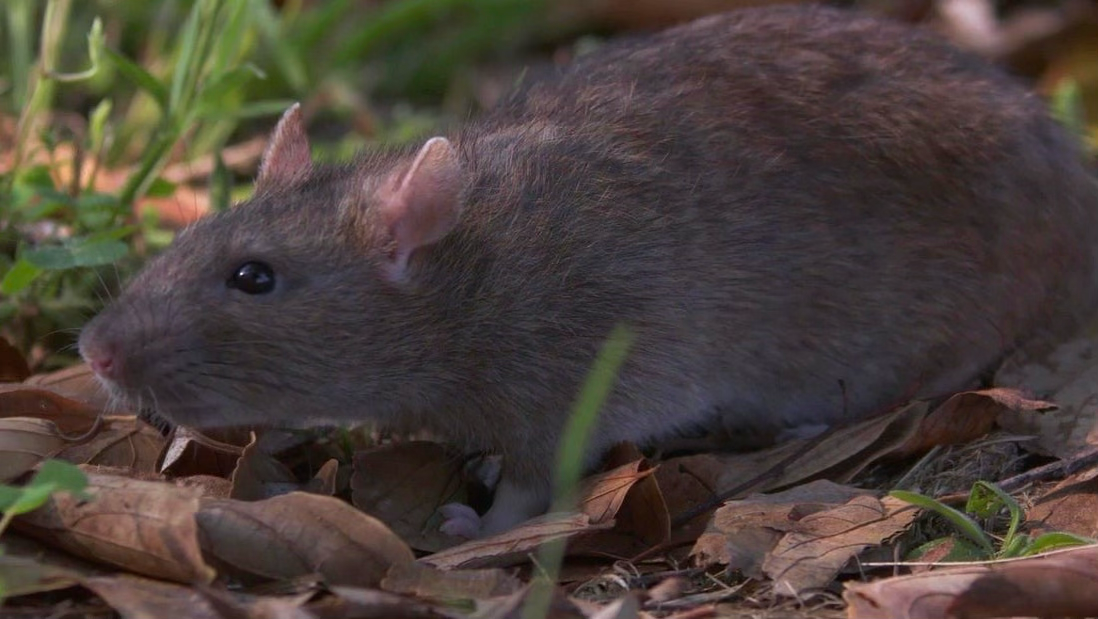
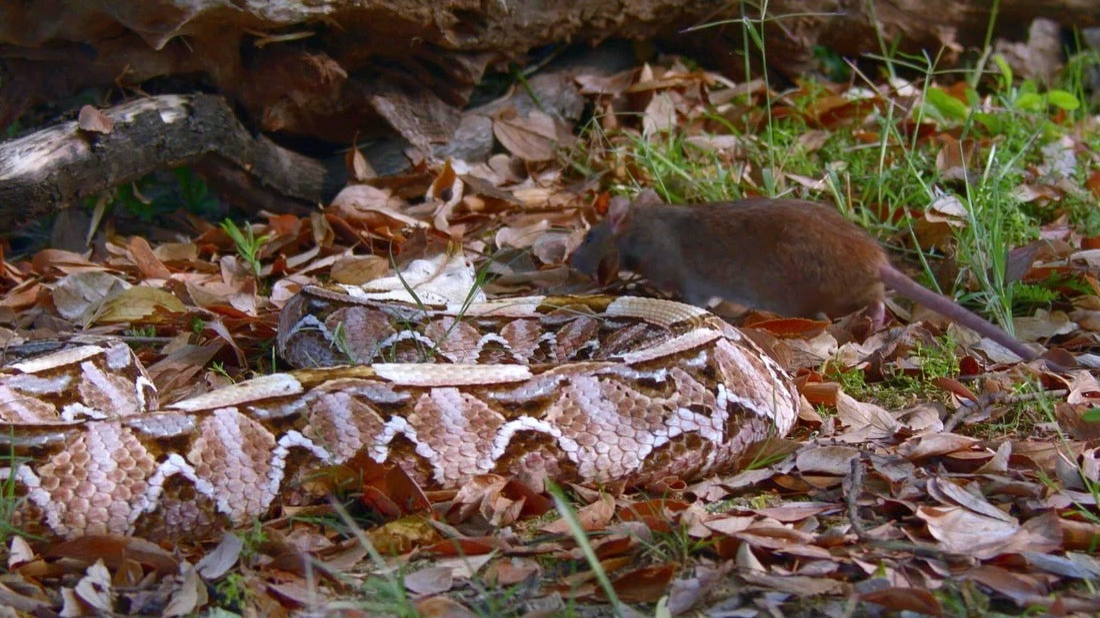
The rodent depicted in the sequence appears to be a domestic animal. It approaches the snake without hesitation, investigation behaviour, or any observable signs of predator awareness.

1*6fxBD4VCGmix3ESAbU-W7A.png
The Secret World of Snakes Episode 2 (approx 09:31)

1*brysK5WjWSzRTiG8kq5WiQ.png
The Secret World of SnakesEpisode 2 (approx 09:46)

In natural conditions, small mammals exhibit strong avoidance responses to ambush predators. The absence of vigilance or flight behaviour is inconsistent with a wild predator-prey interaction and instead suggests the animal may not have been behaving under natural ecological pressures.

Identification of the Snake

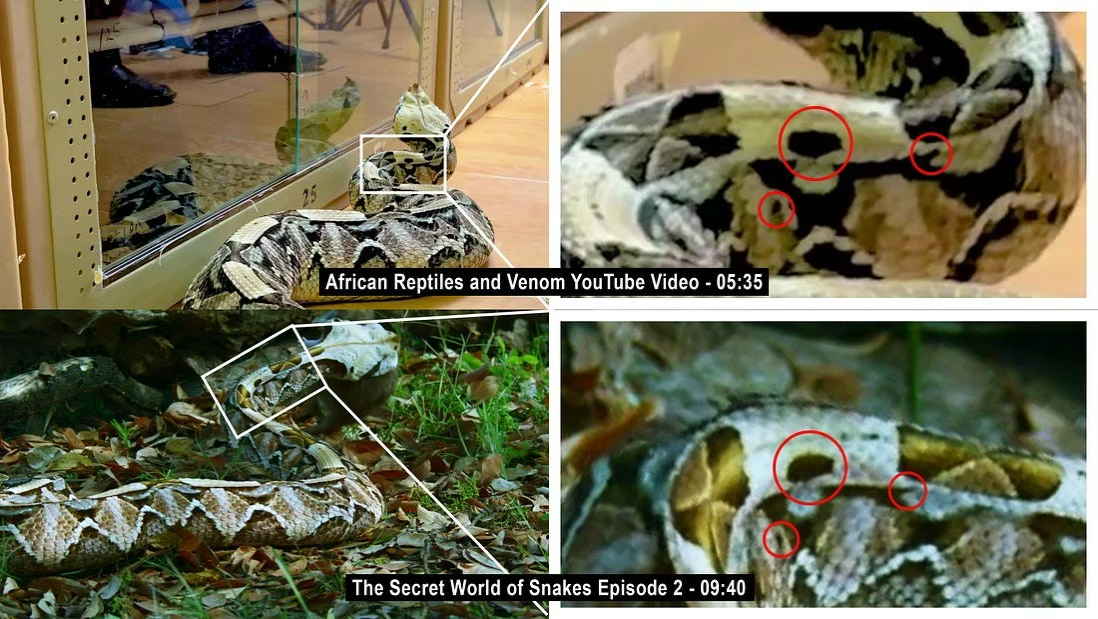
The Gaboon viper featured in the predation sequence was compared with a specimen shown in a publicly available video published by African Reptiles and Venom, the snake wranglers credited at the end of the episode. The video is titled Milking the world’s most venomous snakes Part 3 Vipers.

Video link:

The YouTube video shows Mike Perry handling and milking a Gaboon viper.

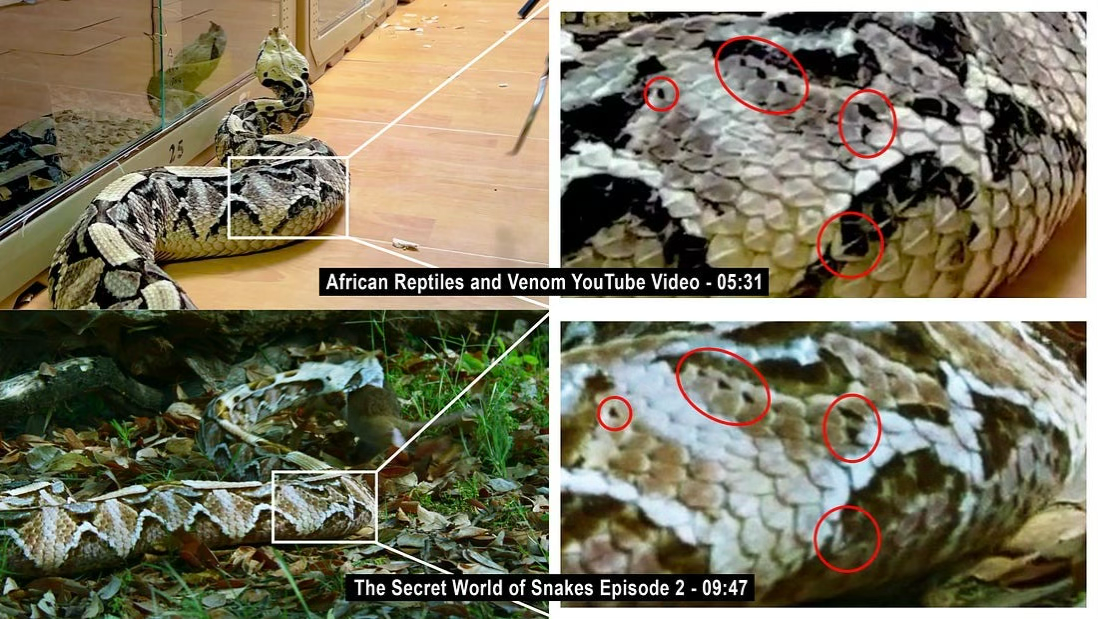
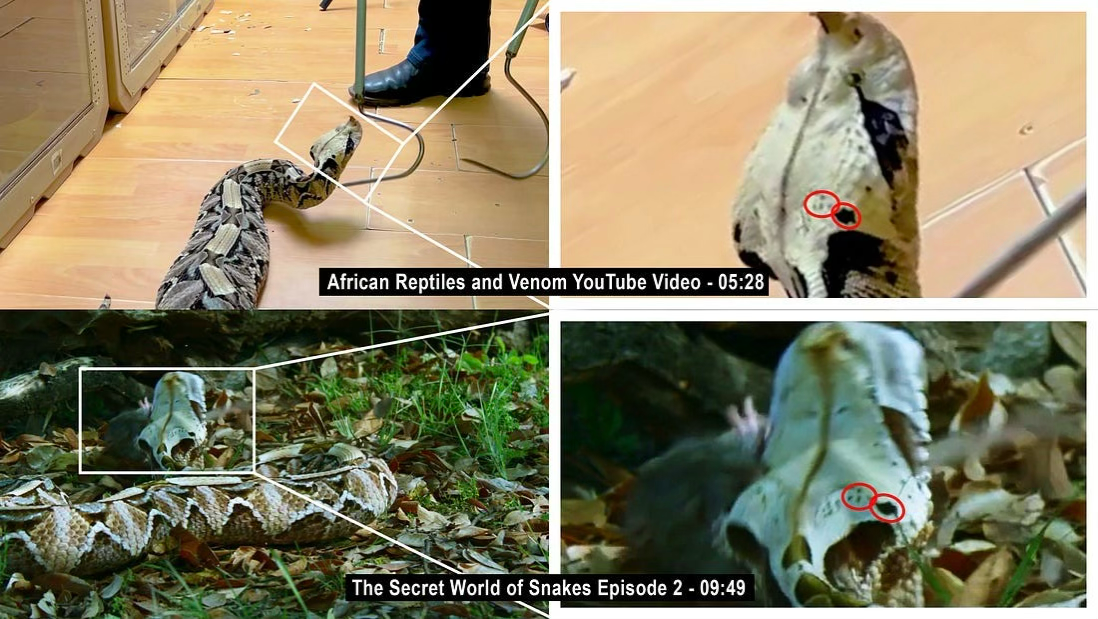
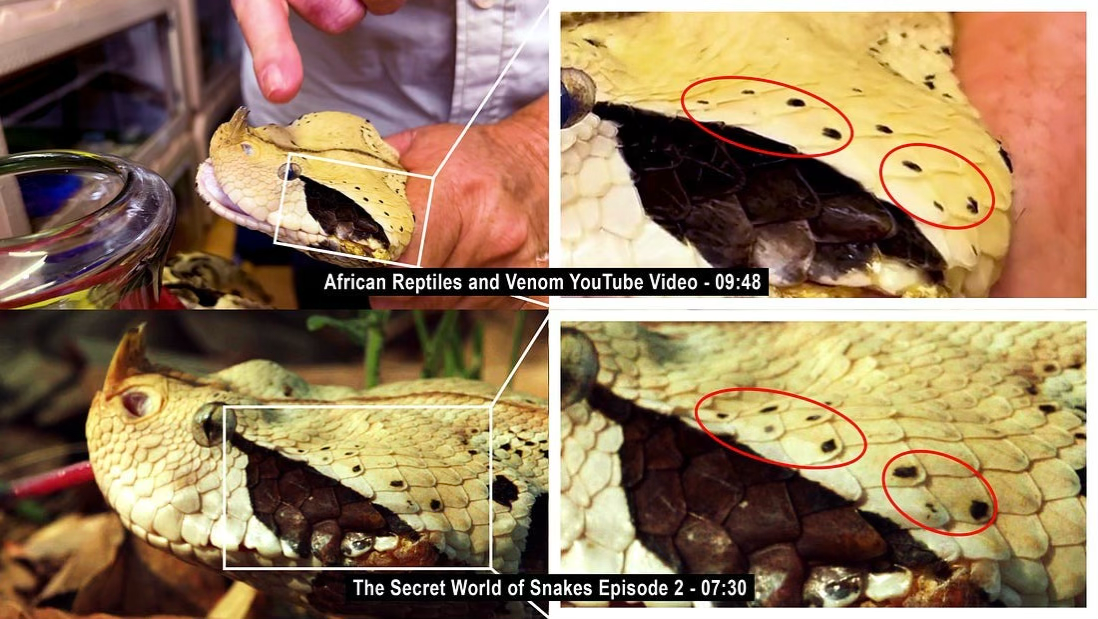
Detailed morphological comparison across multiple regions confirms a match between the two snakes:

1*BblqGZGuckvJ4eZubgVinw.png
Dorsal pattern (05:35 vs 09:40): multiple matching patterns. In particular a very distinctive blotch that is the same size, shape and location on both animals.

1*PV0oqpLNHHibbwgX5-KS4A.png
Right-side body patterning (05:31 vs 09:47): distinctive markings align precisely.

1*26kRz---0pt-3CuOZGkX1w.png
Dorsal head pattern (05:28 vs 09:49): a unique blotch adjacent to a cluster of four small spots is identical.

1*D6sTnjKRiBi8oCcsNJmGhg.png
Left-side head pattern (09:48 vs 07:30): two separate regions show near-perfect correspondence, with only minor variation consistent with ageing and angle.

While slight differences are present, these are consistent with the snake being filmed at different ages. The overall pattern congruence is sufficiently specific to conclude that the same individual is depicted in both sources.

The probability of two Gaboon vipers exhibiting such highly specific and matching markings across multiple anatomical regions is extremely low. Furthermore, the likelihood that a company credited at the end of the episode — African Reptiles and Venom — would independently possess a Gaboon viper that so precisely matches the individual shown in the programme is vanishingly small.

Taken together, these factors make coincidence an implausible explanation. The only remaining conclusion is that the same individual snake appears in both the YouTube video and the predation sequence.

Response from African Reptiles and Venom

In response to our queries, African Reptiles and Venom have claimed that the two snakes pictured are not the same individual, and that their involvement in the series was limited to advising Lion Mountain Media on snake behaviour and field location techniques.

They also claim there is “something very distinct” that proves it is not the same snake. But they have so far refused to tell us what this distinct feature is.

Response from Lion Mountain Media and Bomanbridge Media

Before obtaining conclusive evidence that the snake was a captive individual owned by African Reptiles and Venom, we had already raised specific concerns about this scene. These centred on two observable features: the use of multiple camera angles during the predation sequence, and the apparent use of a domestic rodent.

At that time, Peter Lamberti, CEO of Lion Mountain Media, responded as follows:

Multiple camera angles during a predation event

“The use of multiple cameras is standard professional wildlife filmmaking methodology. Our vehicles are rigged to accommodate two cameras, and when filming on foot — particularly during unpredictable behavioural sequences — one operator maintains primary coverage while the second repositions. This is a recognised technique to ensure continuity and to capture authentic, unscripted behaviour. The existence of multiple angles does not constitute evidence of staging.”
Use of common brown mice lacking survival instincts

“Common brown mice and similar commensal rodents are widespread in areas affected by human encroachment, including refuse sites within reserves and camps. As a result of their abundance, they frequently form part of natural predation sequences captured in the wild. The assertion that such animals ‘lack survival instincts’ is speculative and unsupported. Predation outcomes are determined by ecological variables and predator strategy, not by any alleged absence of instinct.”
Bomanbridge Media, the distributor of the series, subsequently stated via their legal representative that:

“Lion Mountain Media has replied in some detail and refuted the allegations you have made.”
That characterisation is not accurate.

Mr Lamberti does not address the specific scene in question at any point. He does not state that the interaction was genuinely wild. He does not deny the use of a captive snake. He does not account for the presence of a rodent consistent with a feeder animal. Instead, he relies entirely on general statements about industry practice and ecological plausibility.

In doing so, his response is not merely incomplete — it is materially misleading. By presenting generic explanations in place of scene-specific answers, it creates the false impression that the concerns raised have been directly addressed and resolved, when in fact they have been avoided.

This is not a minor omission. As CEO of the production company, and as Series Producer, Director, and Director of Photography on the episode, Mr Lamberti would be expected to have direct knowledge of how the scene was obtained. The decision not to provide a clear, scene-specific account amounts to a misrepresentation of the position.

Now that it has been established that the snake involved was a captive individual owned by African Reptiles and Venom, the misleading nature of these responses becomes unequivocal. General statements about standard practice cannot substitute for a factual account of a specific scene, particularly where the central implication — that the interaction was natural and unstaged — is demonstrably false.

Conclusion

When considered in isolation, each of the above elements may raise questions. When considered together, they form a coherent evidential pattern:
  • The prey animal appears to be a domestic rodent and exhibits behaviour inconsistent with a wild animal.
  • The filming setup indicates prior positioning of multiple cameras, inconsistent with a chance encounter.
  • The snake can be positively identified as an individual owned by a captive reptile facility known to offer snake wrangling services to the film industry and credited in the episode.
Taken collectively, these factors strongly indicate that the predation sequence was not a naturally occurring event filmed in the wild and raises significant concerns regarding both the authenticity of the scene and the ethical standards applied in its production.
 
  • Informative
Reactions: 1956

Reports on Evidence of Animal Cruelty in Natural History Productions (part 3)​


Crew Heard Laughing While Filming Corn Snake Kill

Corn Snake Scene in The Secret World of Snakes Matches Clearly Staged Aquavision TV Productions Screener

Production: The Secret World of Snakes, 2026
Production Company: Lion Mountain Media
Co-production: Bomanbridge Media / China Media Group Broadcast: Nat Geo Wild (as The Hidden World of Snakes)
Executive Producers: Sonia Fleck, Carl Hall
Series Producer / Director / Director of Photography: Peter Lamberti
Producer / Writer: Kira Ivanoff

Sources of Evidence

Frame grabs from The Secret World of Snakes Episode 1 publicly broadcast on Nat Geo Wild and other channels.

Screener footage from Aquavision TV Productions. Not publicly available, but we have copies of the video files and the screener footage clearly matches the publicly available footage.

Introduction

This report examines the Corn Snake scene in The Secret World of Snakes / The Hidden World of Snakes, Episode 1 “The Americas and Australia” beginning at approximately 36:30 and ending around 38:40. In this scene, as in most scenes in the series, the snake kills and eats a nondescript rodent.

This report focuses specifically on the Corn Snake predation sequence and the evidence indicating that the scene was likely staged rather than filmed as genuine wild behaviour.

Indicators of Staging

The Corn Snake sequence in The Secret World of Snakes contains several visual indicators commonly associated with staged wildlife footage:
  • Multiple camera angles capturing the same interaction at close range
  • Highly controlled and unnatural lighting
  • Camera placement inconsistent with unobtrusive wildlife filming
  • Tight framing suggestive of a contained filming environment
These indicators alone raise questions about whether the interaction was filmed under natural conditions.

1*tgzo5vT7PN_w5fmSDFdweQ.png
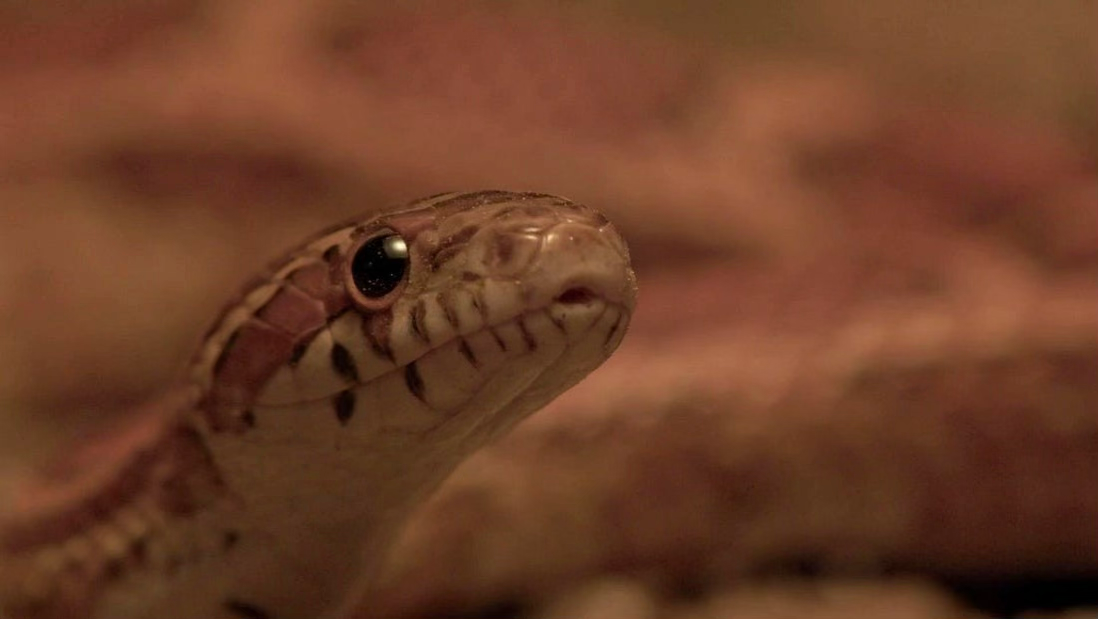
The Secret World of SnakesEpisode 1 (approx 37:03). Note artificial lighting reflected in snake’s eye.

1*ZICBpH3naI2VWSHTTqFcfg.png
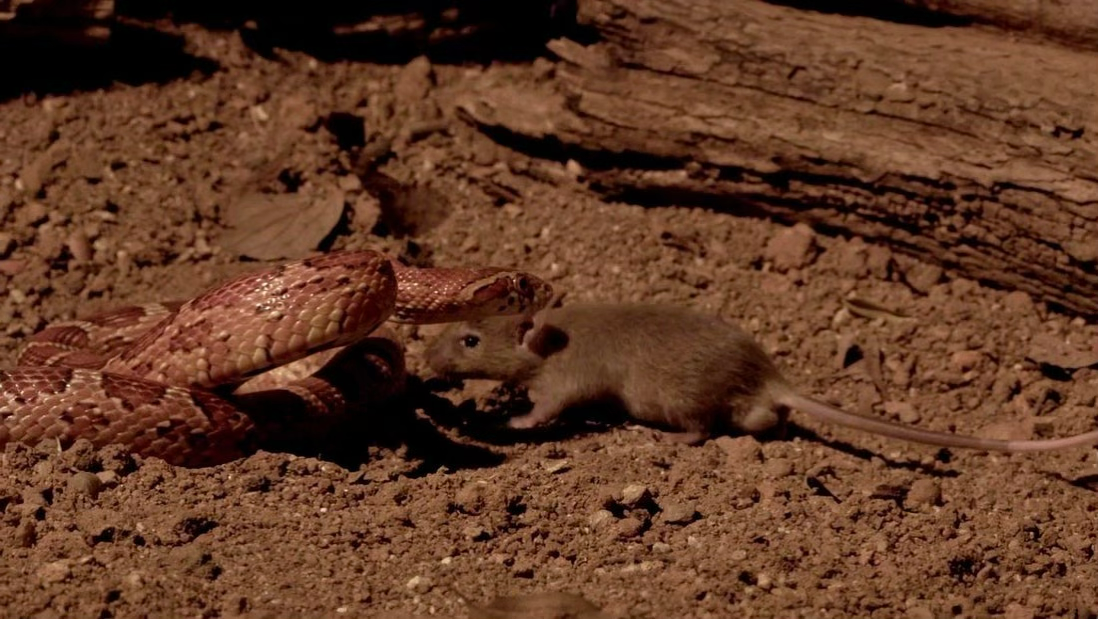
The Secret World of SnakesEpisode 1 (approx 37:21). Rodent approaches snake without fear.

Match to Aquavision Screener Footage

The strongest evidence comes from a stock footage screener provided by Aquavision TV Productions, the sister company of Lion Mountain Media.

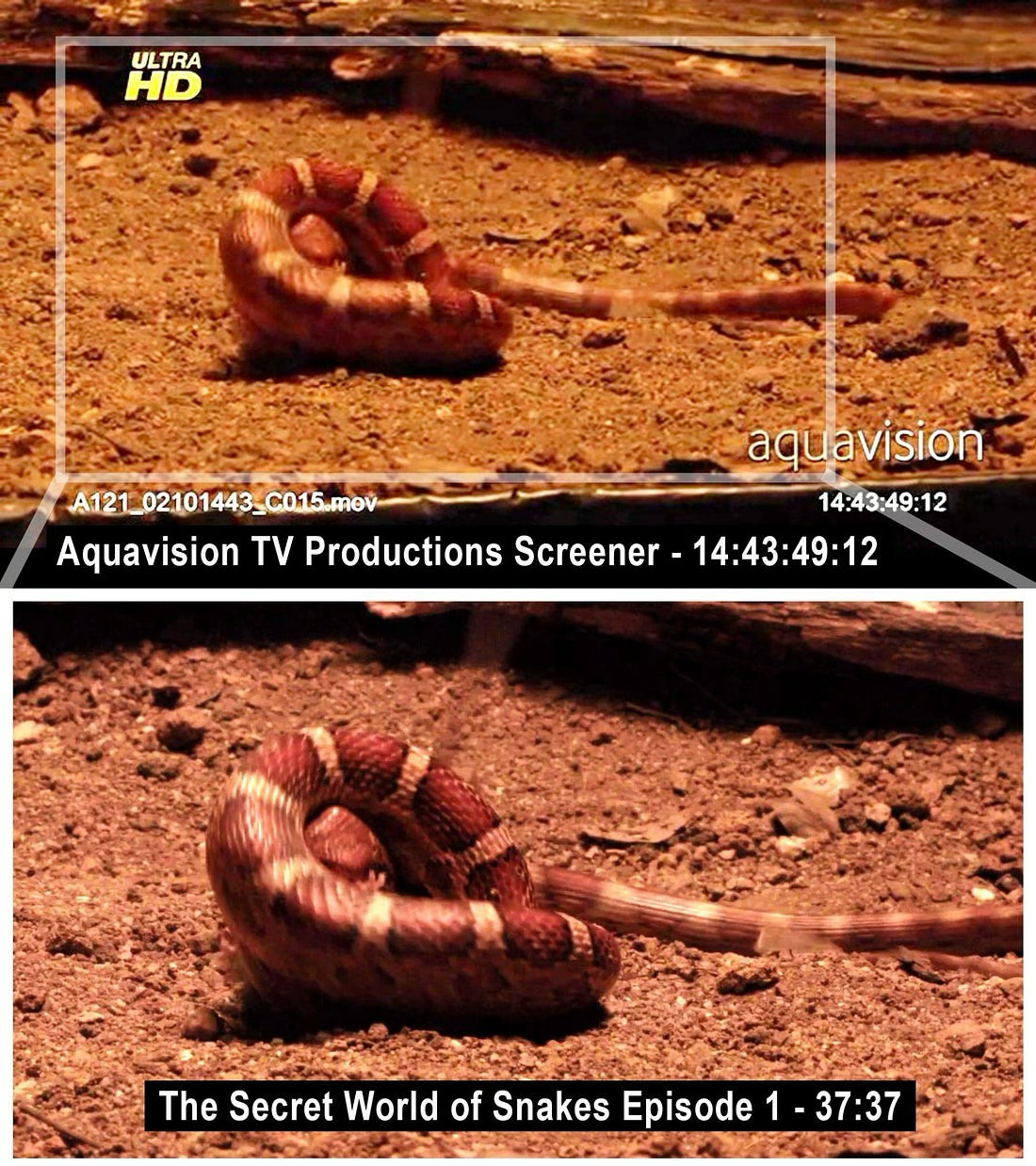
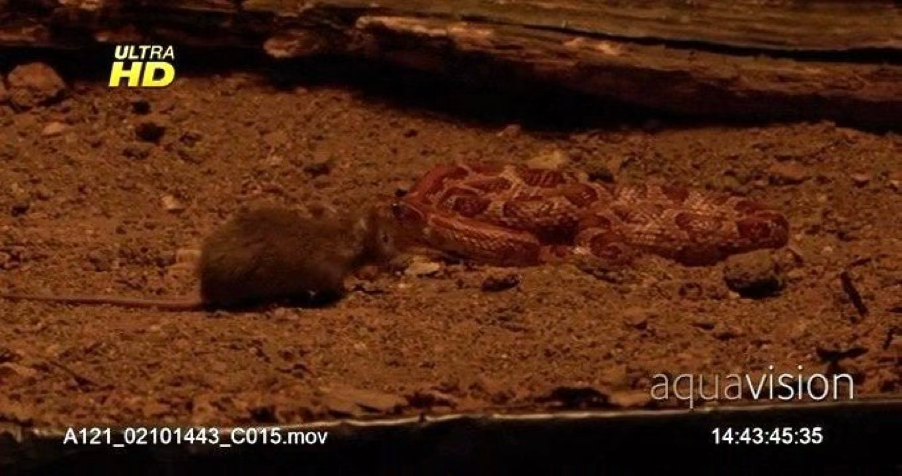
The environment, snake, framing, and behaviour visible in the screener precisely match the Corn Snake sequence used in The Secret World of Snakes. Moreover, the exact shot from the screener appears in the broadcast episode.

Evidence Visible in the Screener

The screener footage itself contains multiple indications that the scene was filmed in an artificial setup rather than in the wild:
  • The rodent resembles a domestic rat not a wild prey animal
  • The animal approaches the snake calmly and without any evident fear response
  • The edge of the set or terrarium is visible within the frame
  • When the audio volume is increased, crew members can be heard talking and laughing in the background
These elements strongly suggest that the interaction was filmed in a controlled production environment.

1*bsx1n66f-MJMNHzwi-V5EQ.png
Aquavision Screener “A121_02101443” (00:04). Note edge of the set at the bottom of frame.

Comparison With Broadcast Footage

A comparison between the Aquavision screener and the Corn Snake scene in The Secret World of Snakes Episode 1 demonstrates that the production incorporated the footage from this screener into the final programme.

The broadcast version appears to have been cropped in order to remove the visible edge of the enclosure seen in the original screener footage.

1*hDSEec3wYsQUYnwfEwKNsw.png

Conclusion

The available evidence indicates that footage from what appears to be a staged predation setup was incorporated into the final broadcast of The Secret World of Snakes. Because the raw screener footage contained visible signs of staging, including the enclosure edge, and audible crew presence, it is likely that knowledge of the staged nature of this scene was not limited to the filming crew, and that those involved in editing and post-production of the show were aware that the material had not been filmed in the wild.

This sequence is particularly significant because the narration, written and delivered by Kira Ivanoff, emphasises that the Corn Snake is non-venomous and kills by constriction. If the prey animal was deliberately introduced for filming purposes, it follows that the sequence involved the intentional infliction of prolonged stress and a slow death for entertainment.


Madagascar’s Weirdest Log

Evidence of Staged Predation in Two National Geographic Shows

Production: Africa’s Deadliest, Season 4 Episode 1, “Lethal Strike” (2019)
Production Company: Lion Mountain Media for National Geographic
Series Producer / Cameraman:
Peter Lamberti
Producer:
Helen Young
Writers:
Helen Young; Steven Zorn
Executive Producer for Nat Geo:
Ashley Hoppin

Production: Madagascar’s Weirdest / Wild Wonders of Madagascar, Episode 1, “Jungle Masters” (2020)
Production Company: Lion Mountain Media for National Geographic
Series Producer / Cameraman:
Peter Lamberti
Producer:
Helen Young
Writers:
Helen Young; Stephanie Heywood
Executive Producer for Nat Geo:
Tracy Rudolph Jackson

Sources of Evidence

Frame grabs from Africa’s Deadliest Season 4 Episode 1 publicly broadcast on Nat Geo Wild and other channels.

Frame grabs from Madagascar’s Weirdest publicly broadcast on Nat Geo Wild and other channels.

Introduction

This report compares the Gaboon viper predation sequence in Africa’s Deadliest (approx. 22:00–24:00) with the ground boa predation sequence in Madagascar’s Weirdest (approx. 29:00–30:30).

Both sequences depict live rodent predation and are presented as naturally occurring events filmed in the wild. Neither episode discloses the use of captive animals or staged predation in the credits.

Our analysis identifies a series of converging indicators that these sequences were filmed in a controlled setup rather than as independent wild encounters. Most significantly, both scenes appear to use the same physical set, despite depicting species from non-overlapping geographic ranges.

Shared Set Evidence

Both scenes include a log positioned in the background.

1*voQ6DAw8jdngO6JLlDOTCw.png
Madagascar’s Weirdest (approx. 30:14)

1*o48xTY0SgNW3lO9g_97Q3w.png
Africa’s Deadliest (approx. 23:12)

1*Q6KuBaPeQDw8itKZUfFZrQ.png


This log displays multiple visible markings and structural features that match across both sequences:
These matching features strongly indicate the same log, and therefore the same set, was used in both productions.

This is significant because the Gaboon viper and Madagascar ground boa occur in distinct, non-overlapping regions. If the same physical set appears in sequences purportedly filmed in different countries for different species, that is inconsistent with the scenes representing independent wild encounters.

The use of a confined visual backdrop such as a log is also consistent with staged wildlife setups, as it can obscure the wider environment and limit visual evidence of an enclosure or controlled set.

Filming Methodology

Both sequences include coordinated multi-angle coverage showing:
  • the stationary snake prior to the encounter
  • the approaching rodent
  • the strike and envenomation event
  • the snake consuming the rodent
The footage includes slow-motion, close-range, well-composed shots at multiple zoom levels, with consistent framing across cuts.

This level of coverage strongly suggests prior setup before the interaction began. Capturing a spontaneous ambush predation event with continuous, multi-perspective coverage from the animal’s stationary posture through strike and consumption would be highly improbable in genuine field conditions.

The cinematography is therefore more consistent with a controlled filming arrangement than with a chance encounter recorded opportunistically in the wild.

Prey Appearance and Behaviour

In both sequences, the rodent appears to be a domestic feeder animal rather than a wild small mammal. The animal approaches the snake without observable hesitation, vigilance, or predator-avoidance behaviour.

1*ImYtB-GX6N8sKXJVCStvLw.png
Africa’s Deadliest (approx. 23:20)

1*YT5y9ZF7aaSxwdiJlYdhLg.png
Madagascar’s Weirdest (approx. 29:56)

Wild prey species typically exhibit strong avoidance responses around ambush predators. The absence of such responses is inconsistent with a natural predator-prey encounter and suggests the prey may not have been behaving under normal ecological conditions.

Ethical and Animal Welfare Implications

Staging in natural history filmmaking is not inherently improper when transparently disclosed, and recreated scenes are sometimes used for illustrative purposes. However, these sequences are presented as authentic wild predation events, with no disclosure that they may have been controlled or reconstructed.

But the primary concern is that both sequences involve live predation. If prey animals were intentionally introduced for filming, this would constitute a controlled predation setup rather than documentation of natural hunting behaviour.

This raises potential animal welfare and regulatory concerns

warranting further scrutiny. If the filming occurred in South Africa, where Lion Mountain Media is based, staging live predation for entertainment likely violates animal welfare regulations.
Conclusion

Individually, each line of evidence raises questions. Taken together, they form a coherent evidential pattern:
  • The prey appears consistent with a domestic rodent and behaves inconsistently with wild prey.
  • The cinematography suggests prior camera placement indicative of a controlled setup.
  • Most significantly, both sequences appear to use the same set despite depicting species from different geographic regions.
Taken collectively, these factors strongly indicate these predation scenes were not naturally occurring events filmed independently in the wild, but were instead staged or filmed under controlled conditions.

This raises substantial concerns regarding both the authenticity of the footage and the ethical standards applied in its production.
 
  • Informative
Reactions: 1956

Reports on Evidence of Animal Cruelty in Natural History Productions (part 4)​


A Fossa Fraud — Evidence of Reused Sets and Staged Predation

Evidence suggests that two predation scenes in Africa’s Deadliest, were filmed in the same enclosure

Production: Africa’s Deadliest, Season 5 Episode 2, “Fangs That Kill” (2019)
Production Company:
Lion Mountain Media for National Geographic
Series Producer / Cameraman: Peter Lamberti
Producer: Este Nortje
Writers: Helen Young; Steven Zorn
Executive Producer for Nat Geo: Ashley Hoppin

Production: Africa’s Deadliest, Season 8 Episode 1, “Wild Jungles” (2022)
Production Company: Lion Mountain Media for National Geographic
Series Producer / Cameraman:
Peter Lamberti
Producer / Writer:
Helen Young
Executive Producer for Nat Geo:
Sue Davidson

Note that Fangs That Kill was also released as Season 4 Episode 2 and Wild Jungles was also released as Season 7 Episode 1 by Bomanbridge Media and Earth Touch Media.

Sources of Evidence

Frame grabs from Africa’s Deadliest Season 5 Episode 2 and Africa’s Deadliest, Season 8 Episode 1, publicly broadcast on Nat Geo Wild and other channels.

Introduction

This report compares the Water Mongoose predation sequence in Africa’s Deadliest Season 5 Episode 2 (approx. 20:00–22:30), Fangs That Kill with the Fossa predation sequence in Africa’s Deadliest Season 8 Episode 1 (approx. 20:00–22:30), Wild Jungles.

Both sequences depict predation involving live prey: the Water Mongoose kills a Nile Crocodile hatchling, and the Fossa kills a nondescript rodent.

This analysis identifies multiple indicators that these sequences were filmed in a controlled setup rather than representing independent opportunistic wild encounters. Most significantly, both scenes appear to use the same physical set, despite depicting species from non-overlapping geographic ranges.

Shared Set Evidence

Both sequences include a log positioned on the ground. Although the log appears to have been moved and aged somewhat, and the camera angle is not identical, characteristic markings and structural features match across both sequences.

1*C0ecFO3pounn6jjfO8sRxg.png
Africa’s DeadliestFangs That Kill (approx. 21:54)

1*inD0N5mAeutupYcmUbwxPg.png
Africa’s DeadliestWild Jungles (approx. 26:21)

This log displays multiple visible markings and structural features that appear consistent across both sequences.

1*2TIXAk9H1KaLhqsYfefxGA.png
Comparison of detail in middle of log

1*BCgtqVlZITrt7mY2T3mpBA.png
Comparison of detail on left end of log

A Filming Enclosure

In addition to the log itself, both sequences appear to share a similar confined area where the action takes place, including a pool of water, grassy foreground with dead logs, and bushy background. The apparent recurrence of these environmental features in combination suggests reuse of a filming environment.

This inference does not rest on a single matching object, but on multiple recurring physical features appearing together.

This is significant because Water Mongooses and Fossas occur in distinct, non-overlapping regions. The apparent reuse of a single physical set in sequences depicting species from different regions is difficult to reconcile with these scenes representing independent wild encounters as presented.

Choice of Prey

In both cases the prey animals are visibly alive and struggling prior to being killed, indicating these are depictions of live predation. The Fossa kills a rodent; the Water Mongoose kills a Nile Crocodile hatchling.

1*Kc36Jfda4daaPulIlHqetQ.png
Africa’s DeadliestFangs That Kill (approx. 21:45)

1*VCHDYNGY05S_zYnYbUus6A.png
Africa’s DeadliestWild Jungles (approx. 27:37)

The use of live prey in sequences that appear associated with a controlled set raises questions about whether the footage documents spontaneous hunting behaviour or a managed predation scenario.

Ethical and Animal Welfare Implications

Staging or reconstructing scenes in natural history filmmaking is not inherently unethical when transparently disclosed, and some consider illustrative recreations to be more ethical in some scenarios. However, these sequences are presented as authentic wild predation events, with no disclosure that they may have been staged or reconstructed.

If prey animals were intentionally introduced as part of a controlled setup, this would constitute a managed predation event rather than documentation of naturally occurring hunting behaviour.

This raises potential animal welfare and regulatory questions warranting further scrutiny. If filming occurred in South Africa, where Lion Mountain Media is based, such practices could raise questions under applicable animal welfare regulations.
Conclusion

The apparent reuse of the same physical set in sequences portraying predation by species from non-overlapping geographic regions provides evidence consistent with a controlled filming arrangement rather than two independent wild encounters.

This raises substantial questions regarding the authenticity of these scenes as presented to viewers.

Because both sequences depict live predation involving apparently managed conditions, the footage also warrants scrutiny regarding animal welfare and compliance with applicable filming standards.

A Very Voracious Varanus

A single rock monitor in Namibia is seen killing and eating 3 different prey animals

Production: Africa’s Deadliest, Season 7 Episode 3, “Small But Deadly” (also released as Season 6 Episode 3)
Production Company: Lion Mountain Media for National Geographic
Series Producer / Cameraman: Peter Lamberti
Producer: Helen Young
Writer: Steven Zorn
Executive Producer for National Geographic: Drew Jones

Sources of Evidence

Frame grabs from Africa’s Deadliest Season 7 Episode 3 publicly broadcast on Nat Geo Wild and other channels.

Screener footage from Aquavision TV Productions. Not publicly available, but we have copies of the video files and the screener footage clearly matches the publicly available footage.

Introduction

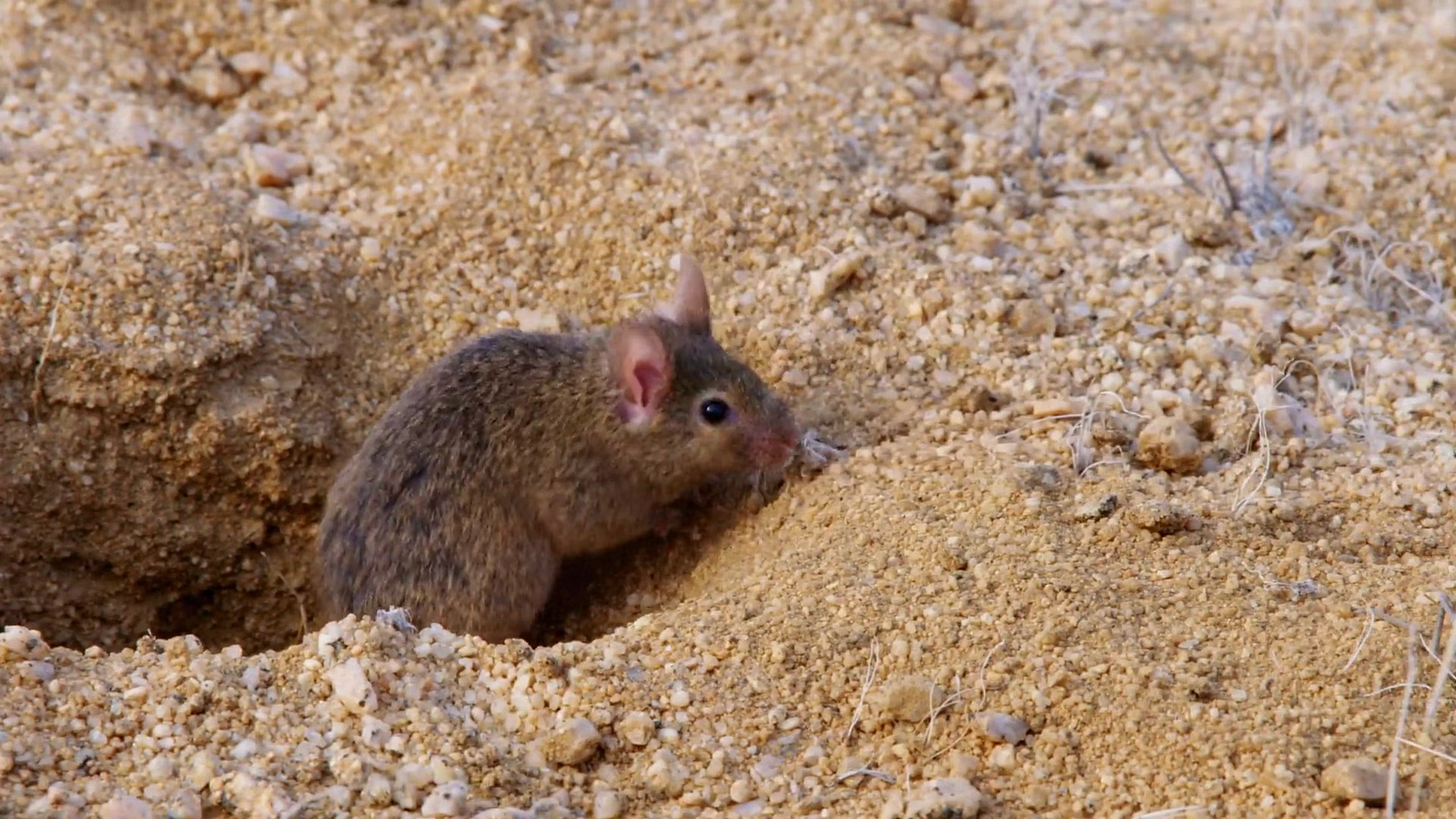
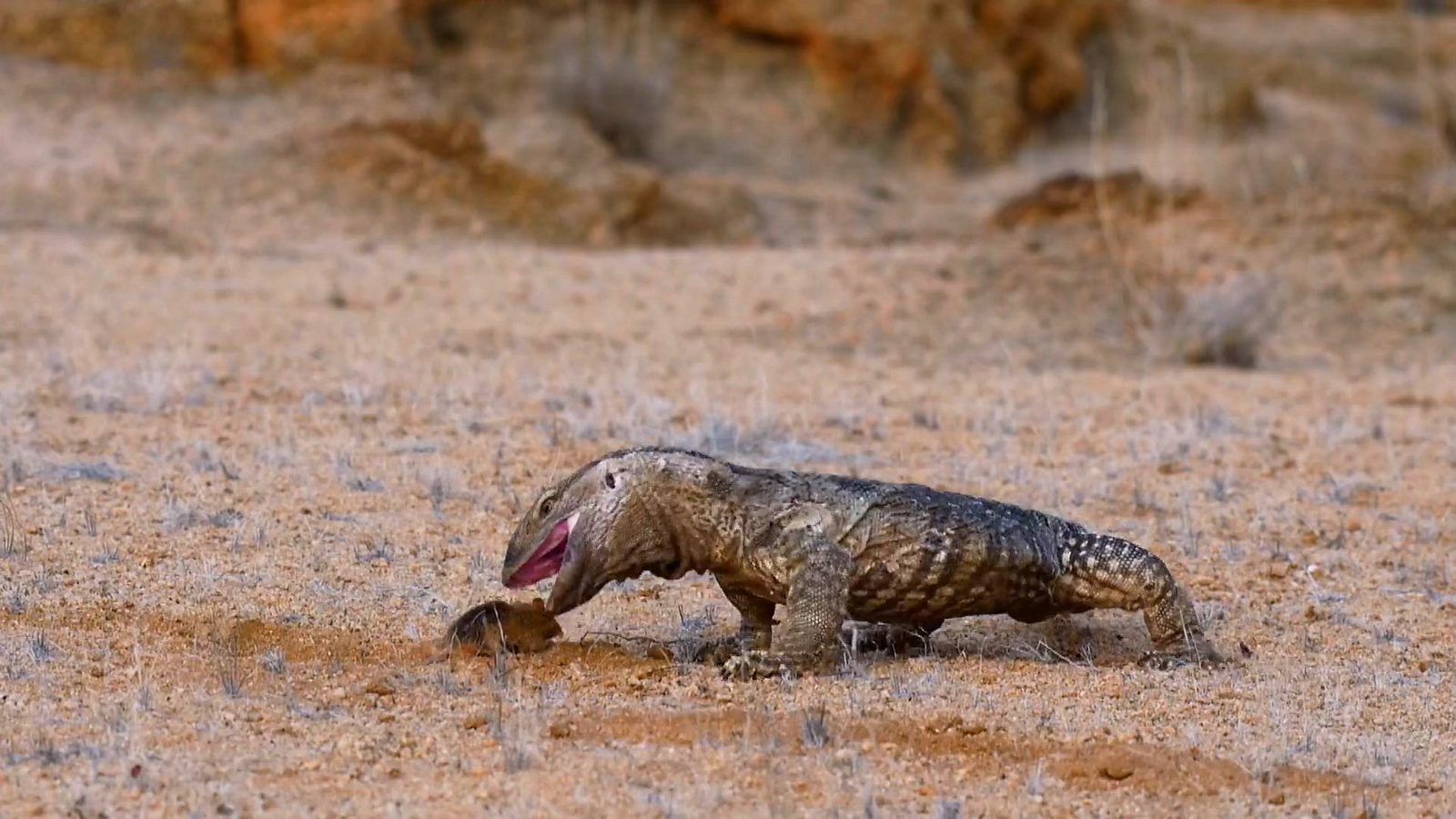
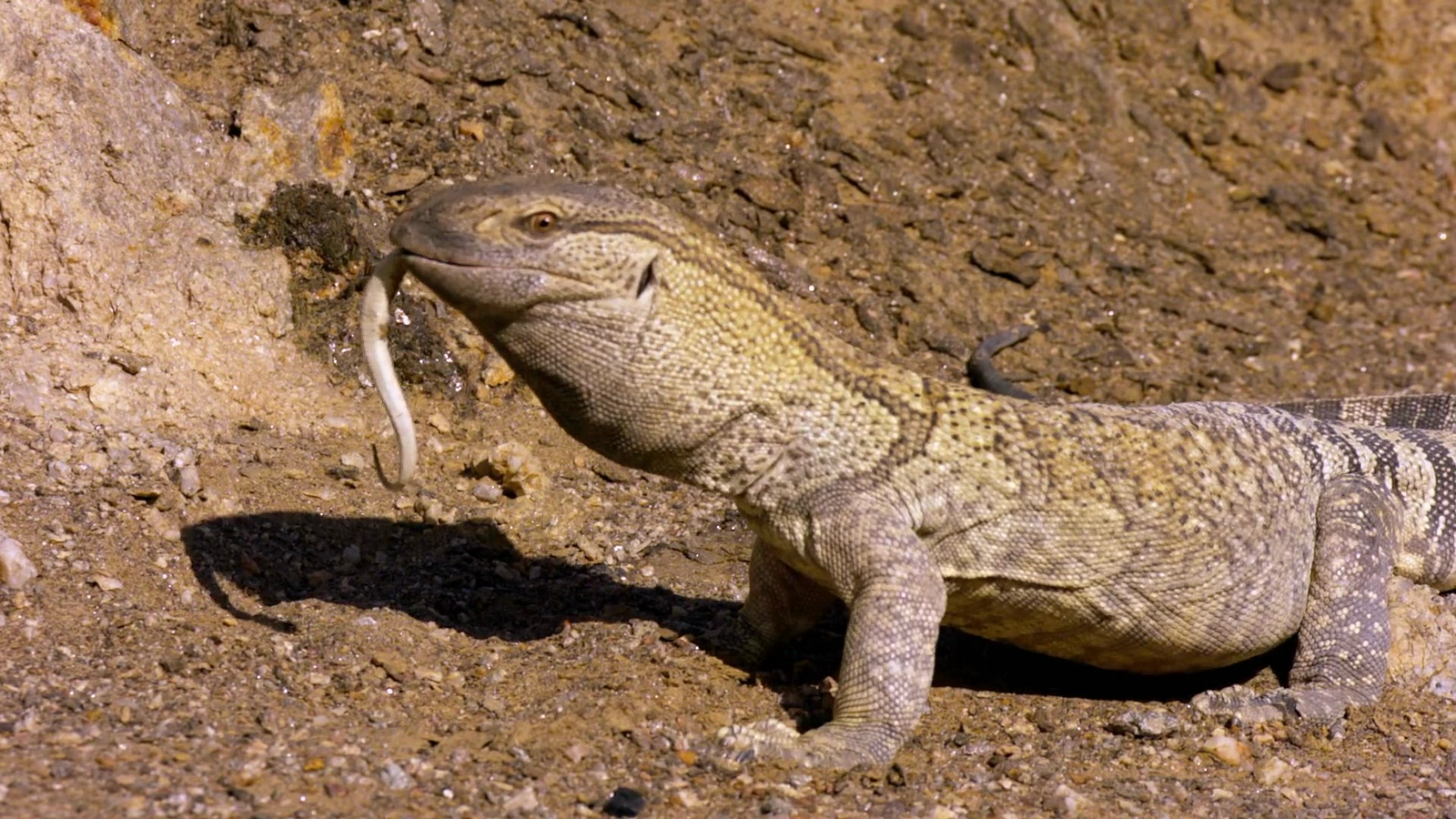
In this sequence in Africa’s Deadliest Season 7 Episode 3 we follow a rock monitor lizard hunting multiple prey items. During the episode the monitor catches and consumes a mouse before later locating, killing and eating a horned adder.

Viewed in isolation, these scenes present themselves as extraordinary examples of natural wildlife behaviour. However, when compared with screener footage from Aquavision TV Productions — the sister company of Lion Mountain Media — they raise a number of significant questions.

Our analysis indicates that the same individual monitor lizard was filmed catching all three different prey animals under circumstances that appear highly unusual for genuine wildlife cinematography.

The Broadcast Sequence

The sequence begins with numerous close-range shots of the monitor lizard and a mouse. In many shots the camera is exceptionally close to both predator and prey, suggesting that the animals were not afraid of the camera crew.

1*fclw20UTaf2PcHAOI3XVzQ.png
Africa’s DeadliestSeason 7 Episode 3–00:38:25

1*TKUDtTq-fKl6Rkk18DFbaw.png
Africa’s DeadliestSeason 7 Episode 3–00:37:45

Eventually the monitor attacks a mouse positioned on open ground. The mouse struggles throughout the attack and is still visibly alive as it is swallowed by the monitor.

1*Ckj05Hls_QUXK4D-O1iOzA.png
Africa’s DeadliestSeason 7 Episode 3–00:38:27

The episode then follows the same monitor as it discovers a horned adder. The monitor kills and consumes the snake.

1*g6Fmfw4Lv-nfhDnmsVHKkA.png
Africa’s DeadliestSeason 7 Episode 3–00:40:06

Using the monitor’s distinctive scale patterns, we have confirmed that the individual shown hunting the mouse is the same individual later filmed killing the horned adder.

Comparison with Aquavision Screener Footage

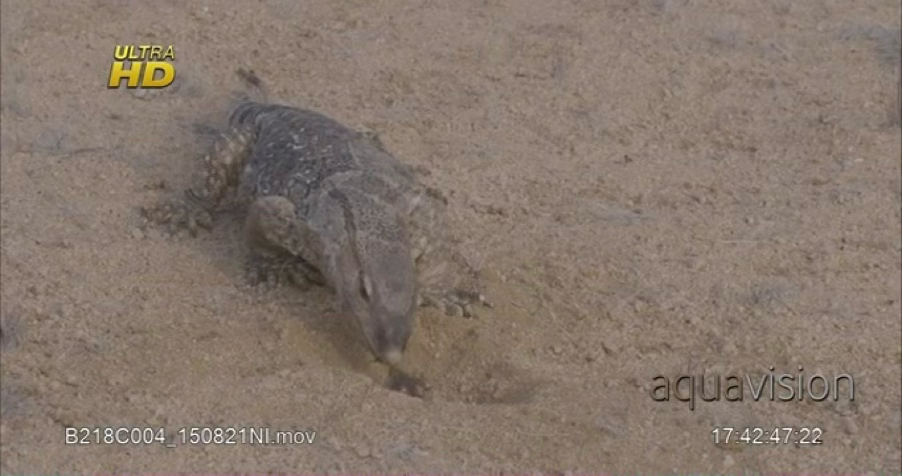
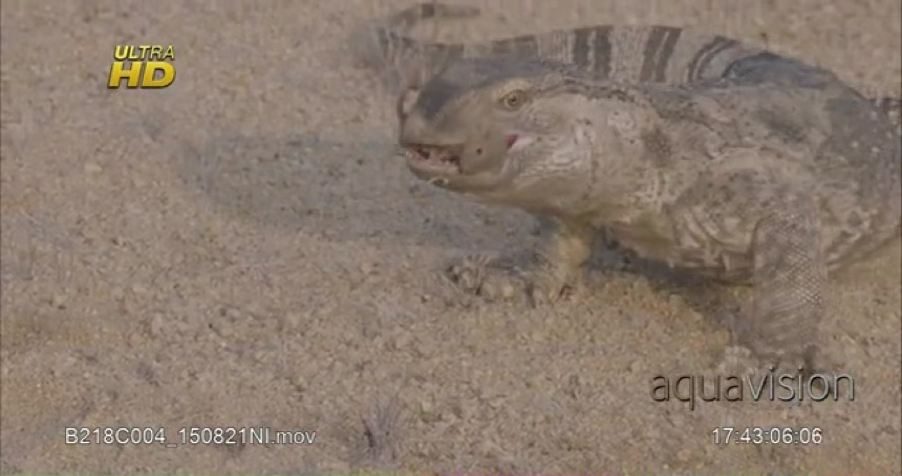
Screener footage from Aquavision TV Productions shows what is demonstrably the same monitor lizard in the same location. But in this footage the monitor captures an entirely different mouse.

The behaviour of this mouse is notable. Rather than fleeing from an approaching predator, the mouse remains in a shallow depression in the ground and actively approaches the monitor, appearing to sniff it without displaying any obvious fear or avoidance behaviour.

1*cjj84SrFKU_v60Wbl9yOdA.png
“B218C004_150821NI” Screener — 00:00:16

Only after this unusually close interaction does the monitor attack. Like the mouse shown in Africa’s Deadliest, this mouse is also swallowed alive.

1*nCVd7iT--kaG-r0O3U3Z_Q.png
“B218C004_150821NI” Screener — 00:00:20

The monitor’s unique scale pattern confirms that this is the same individual lizard featured in the broadcast sequence.

Repeated Predation Events

Taken together, the available footage documents the same monitor lizard catching at least three different prey animals:
  1. Mouse killed in the Aquavision screener footage.
  2. Mouse killed in Africa’s Deadliest Season 7 Episode 3.
  3. Horned adder killed in Africa’s Deadliest Season 7 Episode 3.
Each event appears to have been filmed at extremely close range.

Conclusion

Filming a wild rock monitor successfully hunting a mouse or a snake is an exceptionally rare event. Filming the same individual catching multiple prey species — including two different mice and a horned adder — is rarer still.

The footage therefore raises a number of questions.
  • How was the production able to locate the same individual monitor repeatedly during successful hunting events?
  • How were camera operators consistently positioned close enough to capture detailed footage before each attack?
  • Why do the mice shown in these sequences exhibit behaviour that appears inconsistent with normal predator avoidance?
  • Were these events entirely spontaneous, or were they staged by the production?
These questions are particularly important because the programme presents the sequences as natural wildlife behaviour.
 
  • Informative
Reactions: 1956

Reports on Evidence of Animal Cruelty in Natural History Productions (part 5)​


Several Snake Scenes Staged Using Same Set

Banded mongooses are seen attacking and/or killing at least 3 different snakes in the same location

Production: Africa’s Deadliest, Season 1 Episode 2, “Predator Swarm”, 2011
Production Company: Aquavision TV Productions for National Geographic Channels
Executive Producers: Peter Lamberti and Steve Eder
Producer and Writer: Ben Hewett
Writer: Bronwyn Watkins
Executive Producer for National Geographic: Richard J. Wells

Production: Africa’s Deadliest, Season 5 Episode 1 “Lethal Strike” (also released as Season 4 Episode 1), 2019
Production Company: Lion Mountain Media for National Geographic Channels
Series Producer and Camera: Peter Lamberti
Producer and Writer: Helen Young
Writer: Steven Zorn
Executive Producer for National Geographic: Ashley Hoppin

Production: Africa’s Deadliest, Season 5 Episode 2 “Fangs That Kill” (also released as Season 4 Episode 2), 2019
Production Company: Lion Mountain Media for National Geographic Channels
Series Producer and Camera: Peter Lamberti
Producer: Este Nortje
Writers: Steven Zorn and Helen Young
Executive Producer for National Geographic: Ashley Hoppin

Sources of Evidence

Frame grabs from Africa’s Deadliest Season 1 Episode 2, Season 5 Episode 1, and Season 5 Epidote 2, publicly broadcast on Nat Geo Wild and other channels.

Introduction

This report concerns evidence identified by comparing footage from Season 1 Episode 2, “Predator Swarm” (2011) with footage from Season 5 Episodes 1 and 2 (2019) of Africa’s Deadliest. It appears that the same enclosure and captive banded mongoose troop were used to stage at least three interactions with snakes, one of which resulted in the snake being killed.

This comparison is potentially significant because the first production predates the 2015 restructuring that separated the National Geographic Society from the commercial National Geographic media business that subsequently became National Geographic Partners. When we previously reported animal welfare concerns to the National Geographic Society, they responded that National Geographic Partners / Disney is a separate entity and that the Society is therefore unable to do anything to help.

In Africa’s Deadliest, the sequences are presented as natural-history encounters involving wild animals. The evidence described below raises concerns that at least some animal encounters depicted in the series may have been filmed in controlled environments rather than occurring naturally in the wild, and that animals may have been deliberately placed together to generate predatory interactions for filming. No disclosure of captive animal use is present on either of the episodes.

Matching the Filming Environments

In Season 1 Episode 2, “Predator Swarm,” a troop of banded mongooses is shown encountering, attacking, killing and consuming a snake.

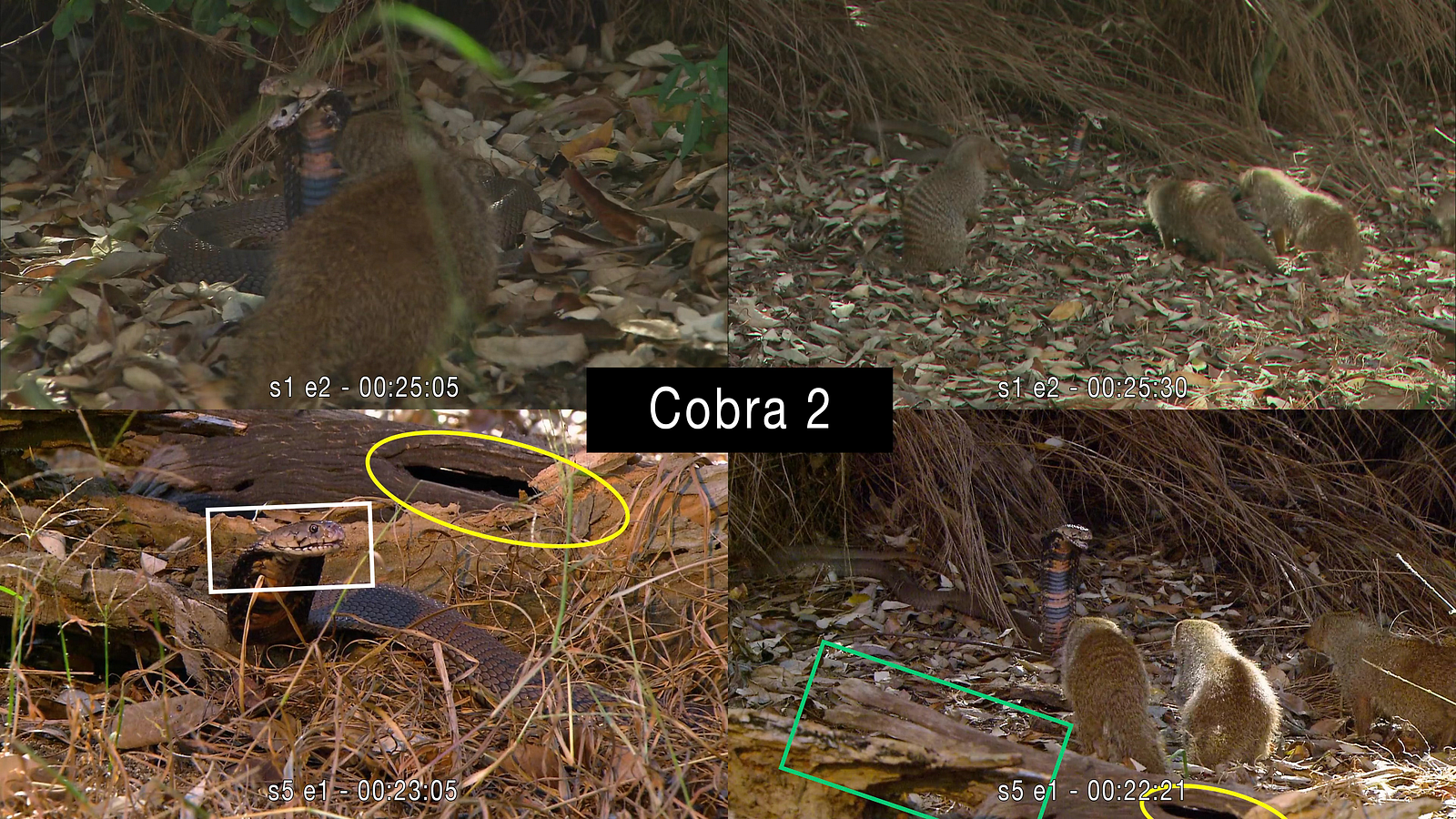
In the first part of the sequence, the snake is identified by the programme as a Mozambique spitting cobra. It is repeatedly shown rearing up as the mongooses approach and surround it. Multiple cobras appear to have been used during the sequence, but for the purposes of this analysis we focus specifically on the shots in which distinctive features of the filming environment are visible. Within these shots, we have identified at least two different cobras.

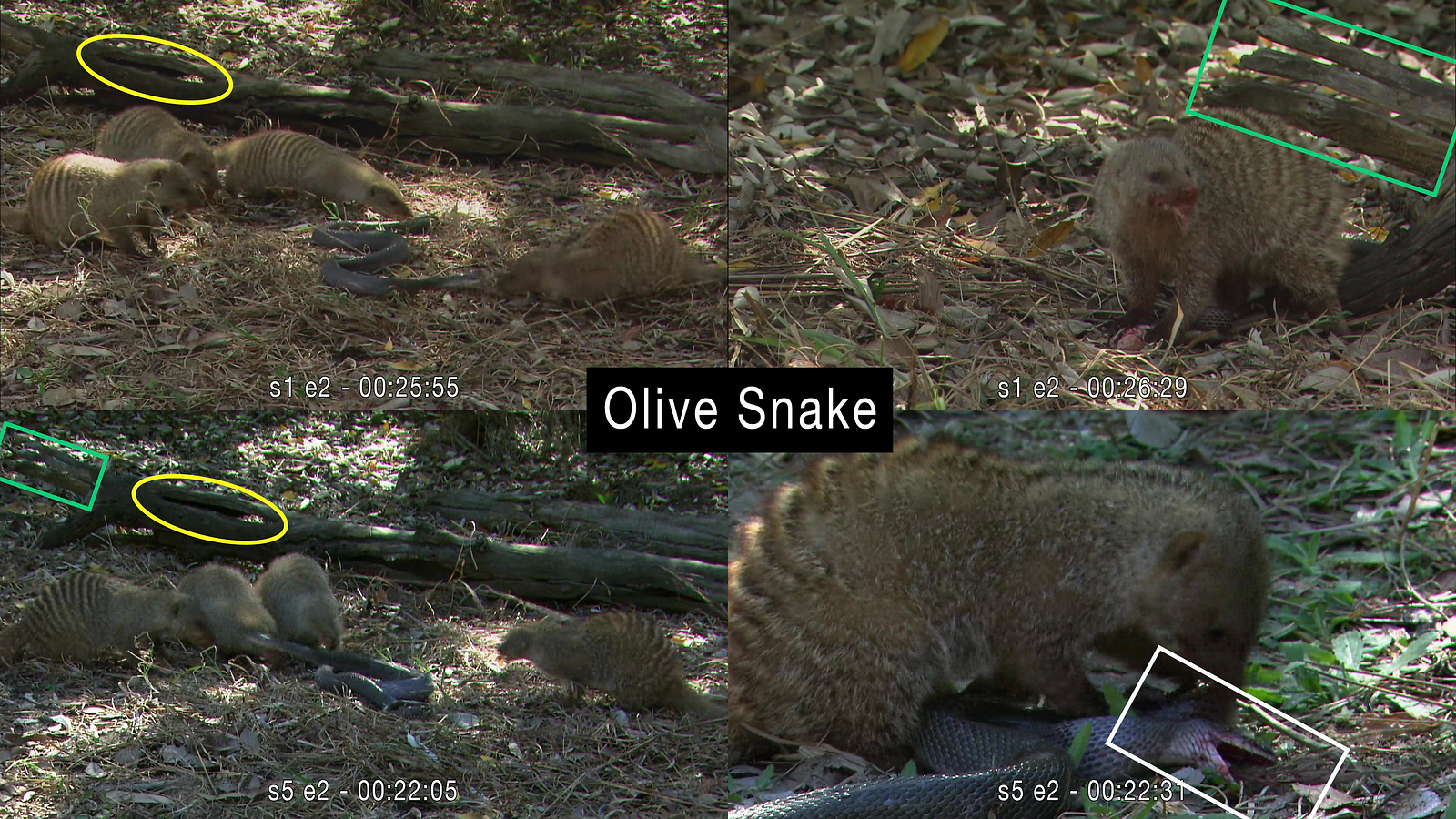
Later in the sequence, the mongooses attack and kill another snake. This is not one of the cobras shown earlier. Additional footage of this encounter appears in Season 5 Episode 2, where the snake is identified as an olive snake rather than a cobra.

During the killing of the olive snake, the same distinctive knotty log is again visible. The scene appears to have been filmed at a different time, however, as the large rotting log visible during the earlier cobra encounters is no longer present.

Using frame grabs from all three episodes, we demonstrate that at least three different snakes are involved and that the three encounters were filmed in the same identifiable environment. In each sequence, the same distinctive knotty log is visible on relatively flat ground surrounded by grass and dead leaves. In some shots, taller grass is visible in the background.

The knotty log is particularly significant because it contains several distinctive features that remain consistent across the sequences, including a long clearly visible hole in its upper section, and the broken end of one of its branches. These features are used to compare the filming environment across the different encounters.

The Three Snakes

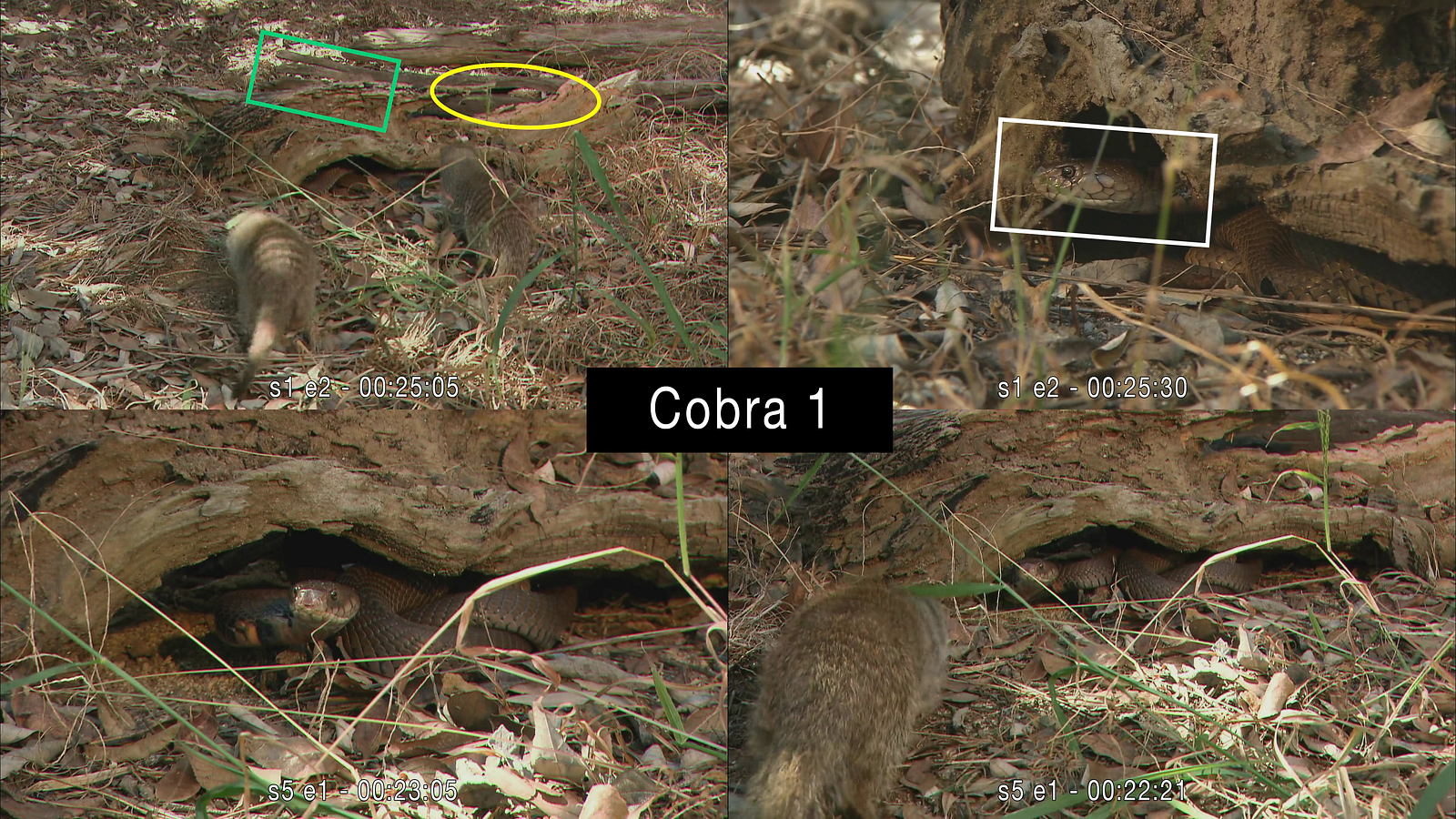
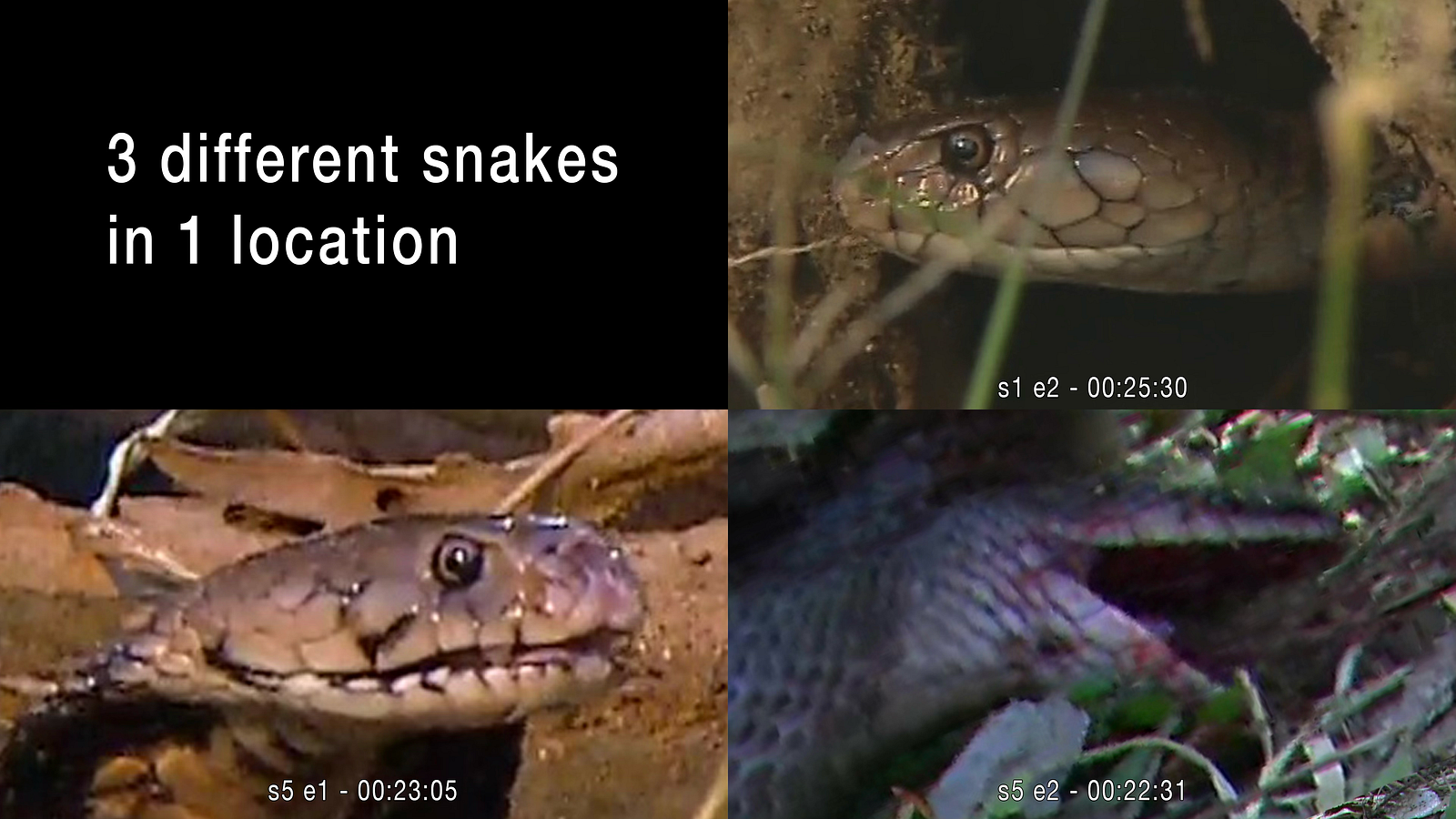
Cobra 1 appears in both Season 1 Episode 2 and Season 5 Episode 1. Frame grabs and timecode are provided below. We clearly see the knotty log with it’s distinctive hole (yellow oval) and broken end (green rectangle). Cobra 1’s head is shown in a white rectangle.

1*W2E9yyq2fT1kHmuS8FugGA.png


Cobra 2 is also seen in both Season 1 Episode 2 and Season 5 Episode 1. This cobra has more distinctive markings on its head. It is also clearly in the same location, as shown by the knotty log with it’s distinctive hole (yellow oval) and broken end (green rectangle). A clear view of cobra 2’s head is shown in a white rectangle.

1*5I-B_ie1ismMjOMm5JU-iQ.png


Finally we consider the scene where the olive snake is killed by the Mongooses. Footage from this same scene is used in both Season 1 Episode 2 and Season 5 Episode 2. It is also clearly the same identifiable filming environment as the cobras, as shown by the knotty log with it’s distinctive hole (yellow oval) and broken end (green rectangle). It was, however, filmed at a different time to the cobra sequences, as the rotting log in front of the knotty log is not present. A clear view of the dead olive snake’s head is shown in a white rectangle.

1*IIUwrDgRblIsMVSVztC7yw.png


Now let’s consider snakes. If we expand the white rectangles in the previous images, we can see that there are clearly 3 different individual snakes.

1*3Xo78cGwpX0lKhyjXA0LhQ.png

Why the Comparison Is Significant

The matching environment is significant because all three sequences involve encounters between mongooses and snakes, and one includes the clear death of a snake.

We therefore have three scenes apparently filmed in the same location:
  1. Mongooses interacting with cobra 1 — distinctive knotty log and large rotting log present.
  2. Mongooses interacting with cobra 2 — distinctive knotty log and large rotting log present.
  3. Mongooses killing an olive snake — distinctive knotty log present; large rotting log not present.
The likelihood of capturing mongooses interacting with or killing a snake in the wild is already extremely low. Capturing three such encounters involving the same apparent mongoose troop in the same identifiable location is difficult to reconcile with independent, naturally occurring encounters.

The evidence strongly indicates that these were captive mongooses in an enclosure, and that different snakes were introduced to the mongooses in order to generate predatory behaviour for filming.

Conclusion

If animals were deliberately placed together in a controlled environment to produce a fight or predation sequence for entertainment purposes, this raises significant animal-welfare and ethical concerns.

The issue is not simply whether the resulting behaviour is biologically natural. Predation itself is, of course, a natural phenomenon. The relevant question is whether filmmakers created or manipulated the circumstances in which the predation occurred, thereby exposing captive animals to stress, injury or death for the purpose of obtaining footage.

A snake introduced into an enclosure containing predatory mongooses would have limited or no ability to avoid the encounter in the manner it might in a genuinely wild environment.

This raises a serious and testable question:

Were captive banded mongooses and snakes deliberately brought together in a controlled filming environment to generate predatory encounters for Africa’s Deadliest?


Staged Predation Scene in Africa’s Deadliest Season 5 Episode 1

Comparison with now-removed YouTube video uploaded by Lion Mountain Media

Production: Africa’s Deadliest Season 5 Episode 1, 2019
Production Company: Lion Mountain Media for National Geographic
Series Producer / Cameraman: Peter Lamberti
Producer: Helen Young
Writers: Helen Young; Steven Zorn
Executive Producer for Nat Geo: Ashley Hoppin

Sources of Evidence

Frame grabs from Africa’s Deadliest Season 5 Episode 1 publicly broadcast on Nat Geo Wild and other channels.

YouTube video posted publicly by Lion Mountain Media at
but subsequently made private. We have saved a copy.

Introduction​

This report examines the closing sequence of Africa’s Deadliest Season 5, Episode 1, in which a Cape cobra is depicted hunting and killing a rodent at night among rocky terrain.

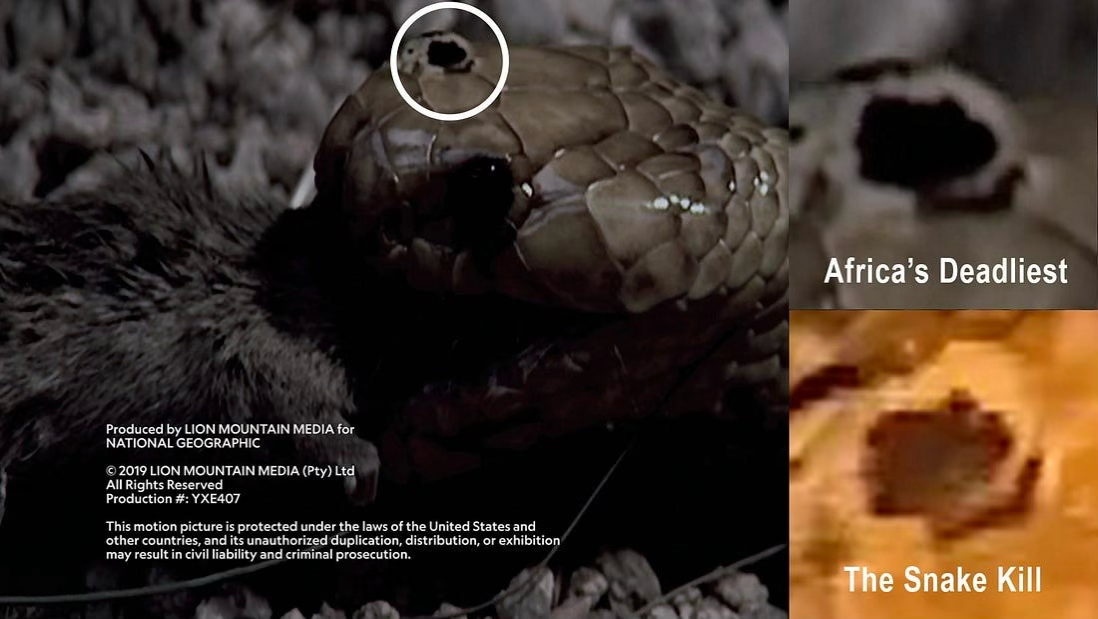
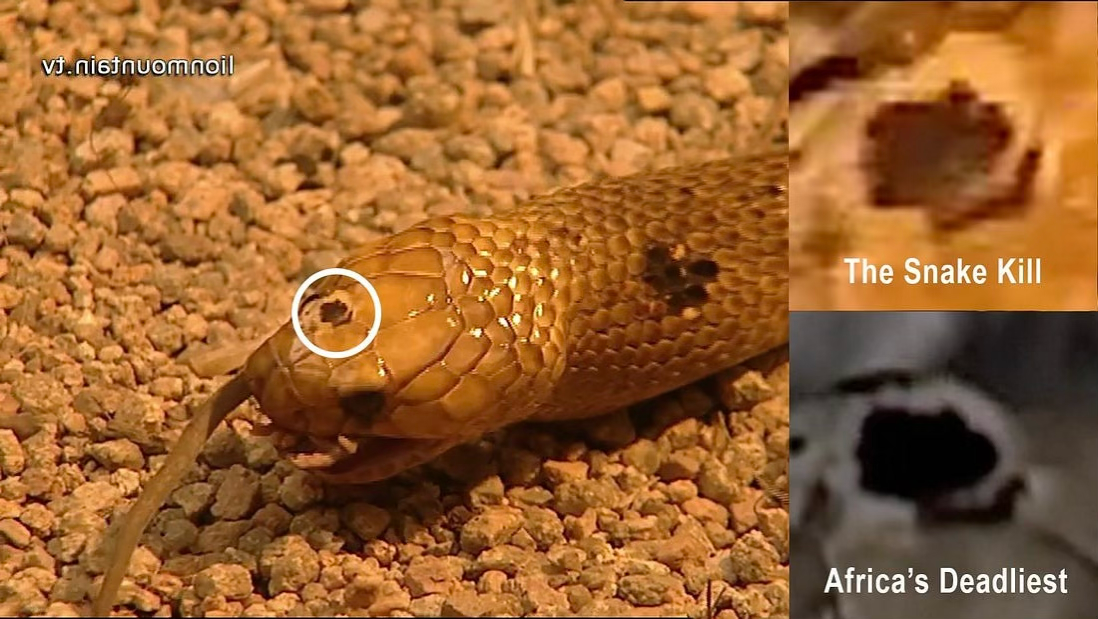
The scene is compared directly with a now-private YouTube video titled “The Snake Kill”, published by Lion Mountain Media. Despite differences in lighting (night vs. day), both sequences display identical environmental and biological markers, raising serious concerns about authenticity and compliance with wildlife filming ethics and South African law.

Scene Comparison

Broadcast Sequence

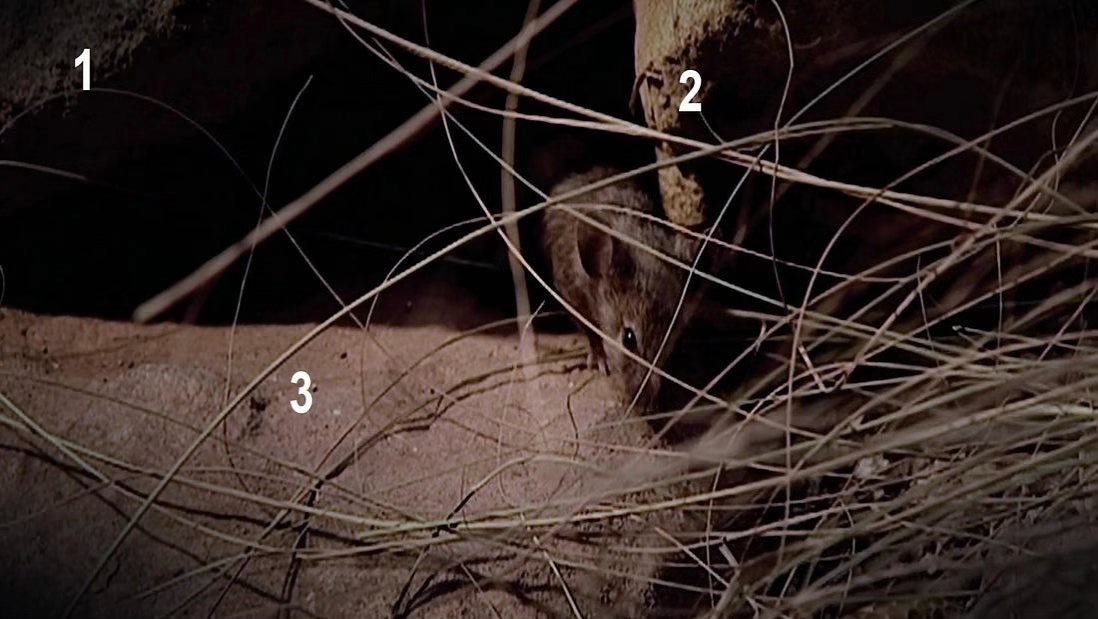
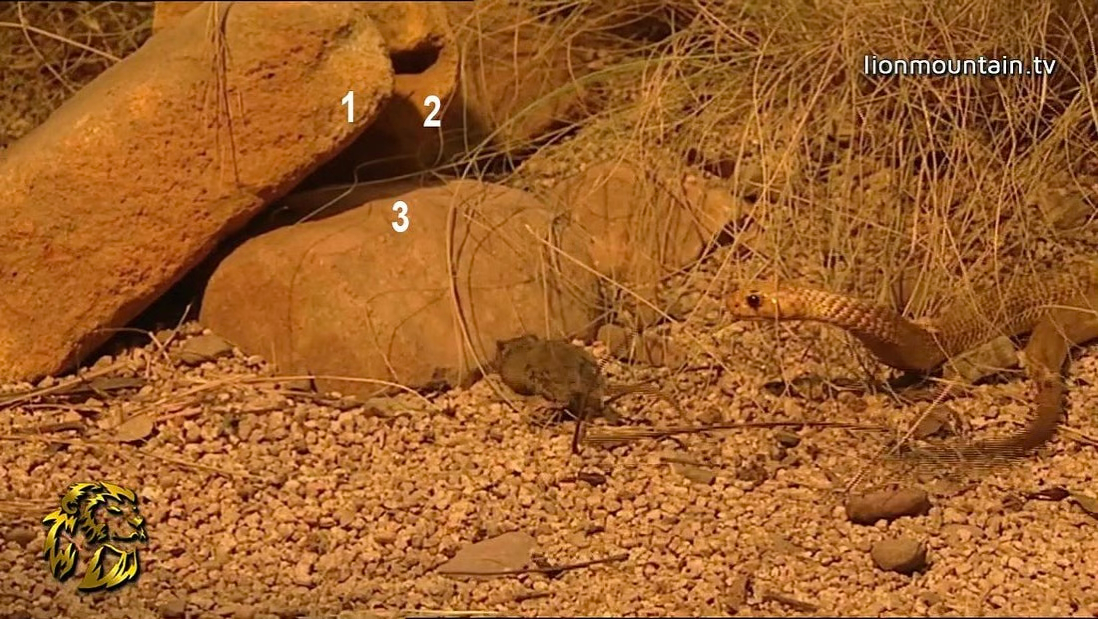
The sequence from Africa’s Deadliest presents a Cape cobra actively hunting at night. A rodent emerging from rocks and being killed by the snake.

The scene is framed as natural, spontaneous predation occurring in the wild.

YouTube Sequence

The comparison is based on a video previously publicly posted to YouTube with the ID: uHVUstulocI. This video, titled “The Snake Kill”, was published by Lion Mountain Media and has recently been made private. We saved a copy prior to it being made private.

The video shows:
  • The same individual Cape cobra, identifiable through matching markings
  • The same rocky micro-location, with identical geological features
  • A nearly identical predation sequence, filmed in daylight

Frame Comparisons

1*_Zrdc7lQybEIENPIgDdlDA.png
Africa’s DeadliestSeason 5 Episode 1 (44m08s)

1*w5V83dZKBn4-1vjSBzsvtA.png
The Snake Kill(flipped horizontally) (01m41s)

1*bLMzLpzx1Iv7auC0kAE8tg.png
Africa’s DeadliestSeason 5 Episode 1 (43m40s)

1*WAis1pS--1JCx8Ts_EBvAA.png
The Snake Kill (00m42s):

Key Correspondences:
  • Snake morphology (patterning, coloration, scale irregularities) matches precisely
  • Rock formations and positioning are identical between clips
  • Rodent behaviour and appearance are very similar
The probability of independently capturing the same snake, in the exact same location, performing near-identical predation events under different lighting conditions is so low as to be practically impossible.

Rodent Behaviour and Identification Concerns

In both versions of the footage, the rodent fails to exhibit behaviour expected of a wild animal. Rather than retreating, remaining concealed, or attempting to escape, it emerges towards the snake. The rodent also appears visually uniform and lacks distinguishing features typical of indigenous South African rodent species.

These characteristics are more consistent with domestic or feeder rodents commonly used in captivity than with wild rodents. They also suggest an animal that lacks the survival conditioning normally associated with repeated exposure to predators. By contrast, wild South African rodents typically display rapid flight responses, a strong aversion to predator scent and movement, and a tendency to remain under cover while using erratic escape patterns to evade capture.

Taken together, the appearance and behaviour of the rodent are inconsistent with those expected of naturally occurring wild prey.

Note:
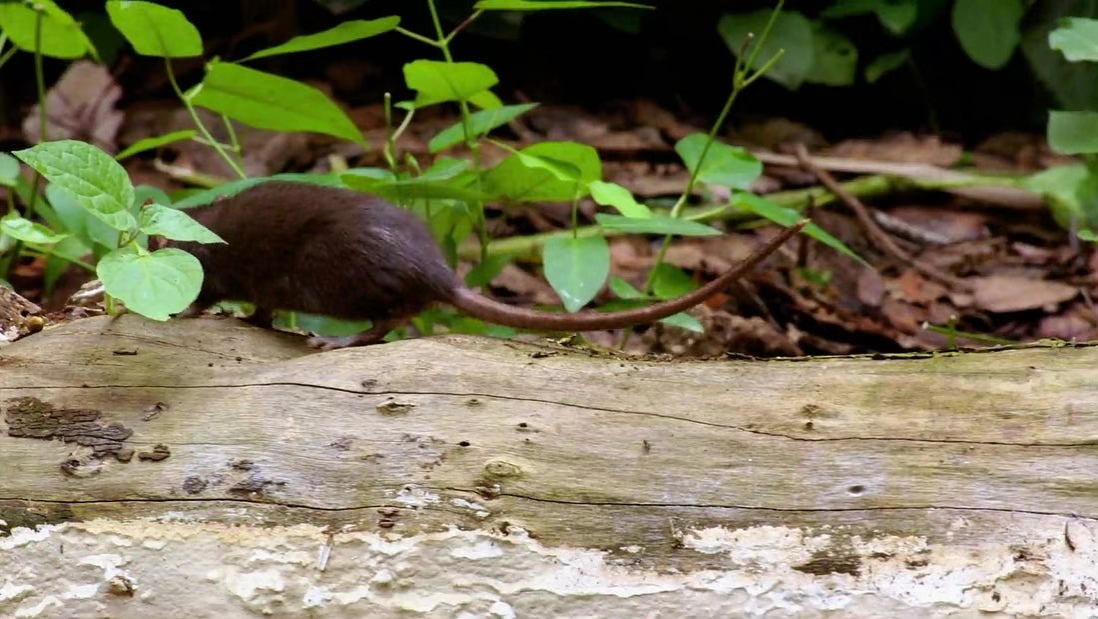
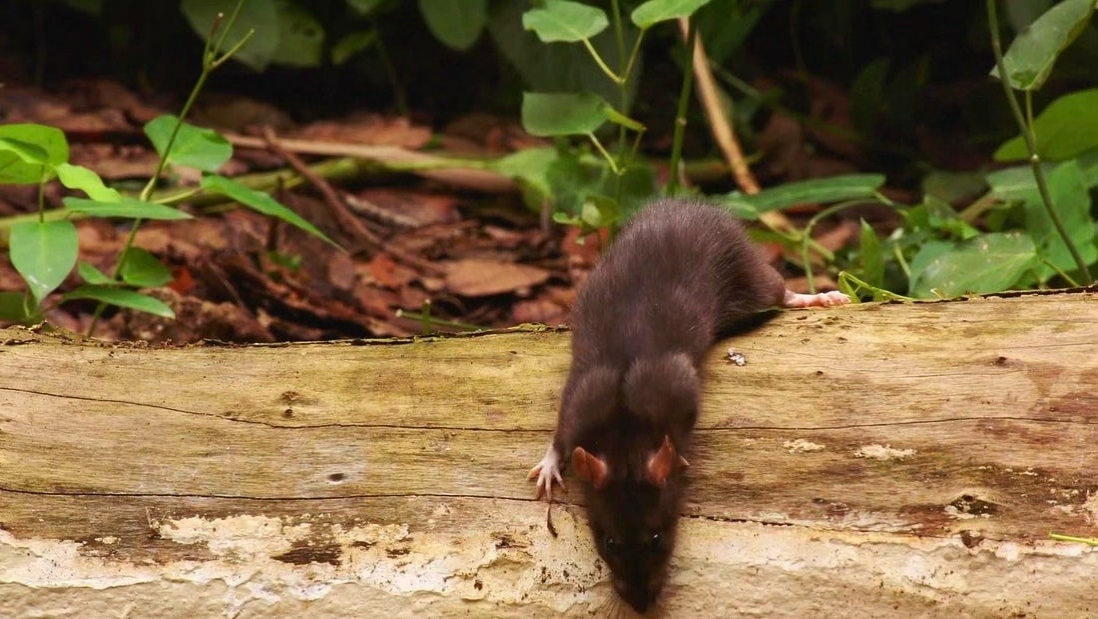
We have examined dozens of sequences produced by Lion Mountain Media. Invariably, these sequences feature a nondescript brown rodent with little to no flight response being killed by a snake — often slowly by constriction.

Disclosure and Transparency

The broadcast episode of Africa’s Deadliest contains no disclosure indicating that any scenes were staged or recreated. Likewise, the YouTube video was presented as authentic footage of wild animal behaviour, without any behind-the-scenes explanation or ethical disclaimer. In our view, the absence of any disclosure in either version is materially misleading to viewers.

Legal and Ethical Implications

Under South African animal welfare frameworks, staging live predation for entertainment purposes raises significant legal concerns, particularly where:
  • Live vertebrate prey is intentionally introduced to a predator
  • The encounter is orchestrated rather than naturally occurring
  • The activity is conducted for filming rather than ecological necessity
Such practices may constitute violations of animal welfare legislation governing unnecessary suffering as well as ethical standards widely adopted in wildlife filmmaking.

Conclusion

The cumulative evidence supports the conclusion that the predation scene in Africa’s Deadliest Season 5, Episode 1 was likely staged rather than naturally occurring.

The direct match with “The Snake Kill” — featuring the same snake, location, and behavioural sequence — combined with the highly atypical prey behaviour, undermines the claim of authentic wildlife documentation.

The absence of disclosure further compounds the issue, presenting constructed content as genuine natural history.
 
  • Informative
Reactions: 1956

Reports on Evidence of Animal Cruelty in Natural History Productions (part 6)​


Staged Predation Scenes in The Secret Creatures of Thailand and Africa’s Deadliest Season 7 Episode 1

We analyse two predation scenes presented as wild that were clearly filmed on the same set

Production: The Secret Creatures of Thailand, 2025
Production Company:
Lion Mountain Media
Director and Producer: Peter Lamberti
Writer:
Kira Ivanoff
Distributor:
Bomanbridge Media
Broadcast Networks:
Nat Geo Wild, Discovery+ and Apple TV

Production: Africa’s Deadliest Season 7 Ep 1, 2021
Production Company:
Lion Mountain Media
Series Producer / Cameraman:
Peter Lamberti
Producer:
Este Nortje
Writer:
Helen Young
Executive Producer for Nat Geo:
Drew Jones

Sources of Evidence

Frame grabs from The Secret Creatures of Thailand publicly broadcast on Nat Geo Wild and other channels.

Frame grabs from Africa’s Deadliest Season 7 Episode 1 publicly broadcast on Nat Geo Wild and other channels.

Introduction

We have examined two high-profile shows — Africa’s Deadliest and The Secret Creatures of Thailand — and found compelling evidence that certain snake predation sequences were staged on the same set rather than filmed in the wild locations claimed.

This report details the observations, ethical considerations, and potential legal implications of these scenes.

Scenes

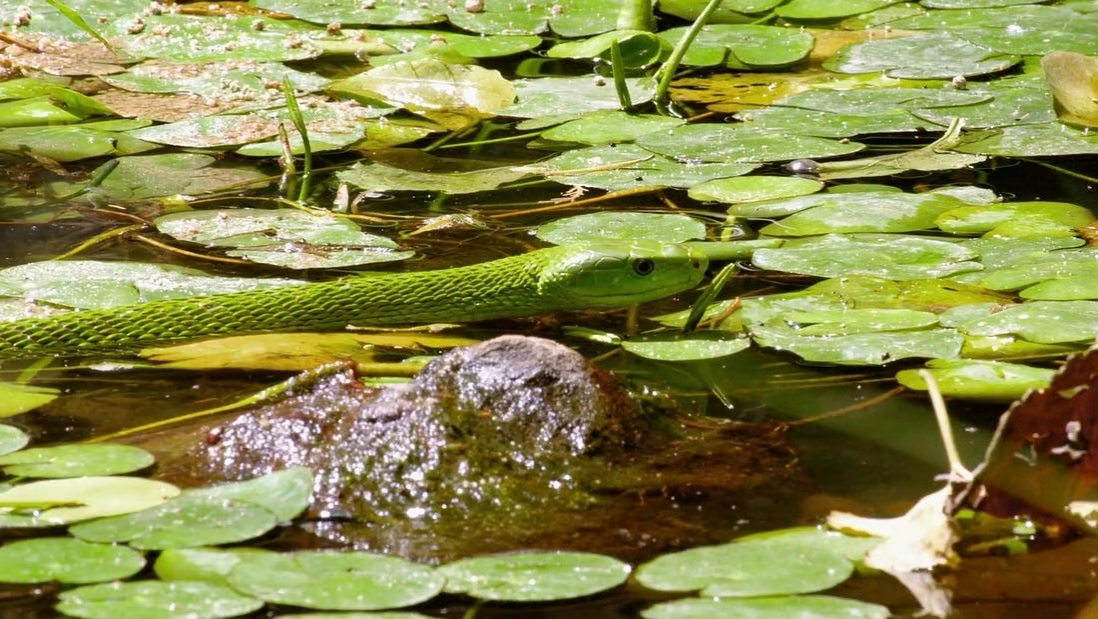
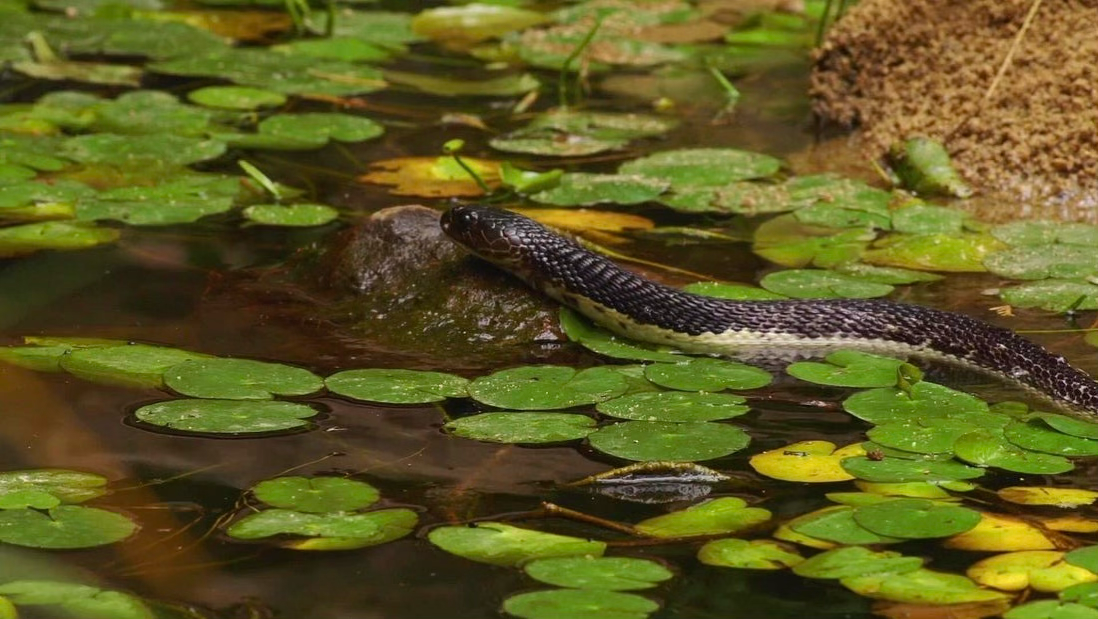
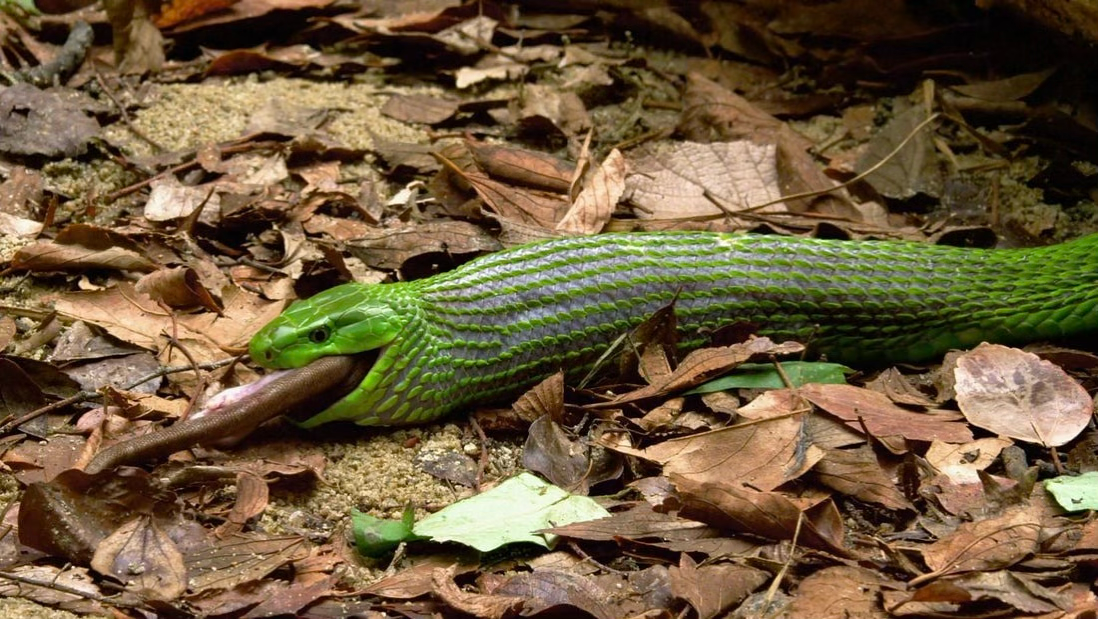
Africa’s Deadliest, Season 7, Episode 1 (2021) — Eastern Green Mamba killing a mouse (~32 min).

The Secret Creatures of Thailand (2025) — Black Spitting Cobra killing a mouse (~26 min).

According to narration, the mamba scene was filmed in Thailand, and the cobra scene in St. Lucia, South Africa.

Observations

Both scenes initially depict the snakes in water. Distinctive features, including water lilies and a prominent rock, appear in both scenes.

1*yK3yKxD0h0imnXJFXtW71g.png
Africa’s Deadliest Season 7 Episode 1 (32m35s)

1*SEbmTJR0eBP-faKppoJDBg.png
The Secret Creatures of Thailand (25m53s)

Subsequently, in both scenes, the snakes move to a location with a log showing distinctive white markings. Note that the markings on the right of the first image perfectly match those on the left of the second.

1*oAwXbhW2DpyFkrDWVVgFoA.png
Africa’s Deadliest Season 7 Episode 1 (33m20s)

1*yXwhFXBvGbvHEEUXxGSkag.png
The Secret Creatures of Thailand (26m47s)

In both Africa’s Deadliest and The Secret Creatures of Thailand the final predation occurs on a sandy area with dried leaves.

1*7AGvLJIPwgyv4ZUmfUBUQw.png
Africa’s Deadliest Season 7 Episode 1 (33m48s)

1*abYc692d2MEen4v-gh9nRw.png
The Secret Creatures of Thailand (27m19s)

These features indicate both scenes were filmed on the same set, despite the shows presenting them as occurring in entirely different countries.

Ethical and Legal Concerns

Ethics: Presenting staged predation as wild behavior is widely regarded as unethical in wildlife filmmaking. It misleads viewers about natural animal behavior and undermines responsible wildlife storytelling.

Legality (South Africa): Both scenes include live predation. Staging live predation of animals for entertainment likely violates South African animal welfare laws. Filming snakes attacking live prey under controlled or artificial conditions could constitute unnecessary harm to animals, prohibited under the Animals Protection Act, 1962.

Production Credits

Both shows were produced by Lion Mountain Media.

Secret Creatures of Thailand cameramen: Colin McGregor Nelson, Peter Lamberti SASC, Tyson Langa

Africa’s Deadliest Season 7 Episode 1 cameramen include Peter Lamberti and Tyson Langa.

Observation: The overlap of Peter Lamberti and Tyson Langa across both productions suggests one or both of them are likely responsible for filming these staged predation scenes.

Conclusion

These findings point to a systematic misrepresentation of staged footage as natural behaviour, and two separate instances of potential animal cruelty.


Conclusion

The investigations brought together in this report span multiple productions, years, species, and filming locations. They examine programmes produced for National Geographic and other broadcasters by Lion Mountain Media and associated companies, using a wide range of evidence, including broadcast footage, production screeners, publicly available social media posts, archived online videos, and frame-by-frame comparative analysis.
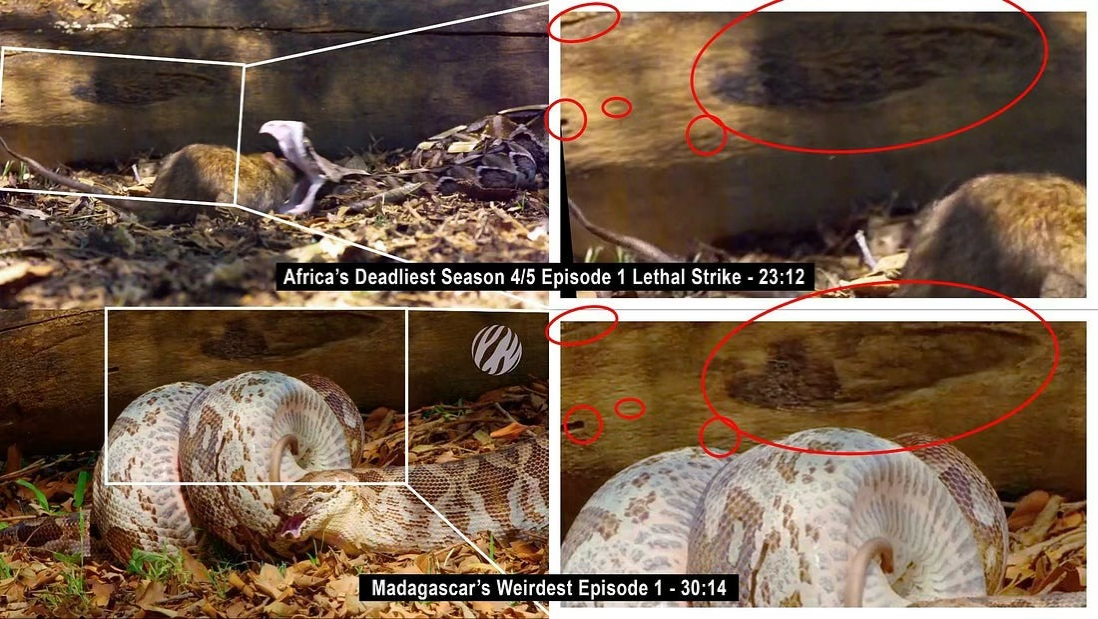
Although each report examines a different sequence, and multiple productions are considered, the same patterns emerge repeatedly. Across these investigations, we identified
  • reuse of filming sets presented as different wild locations.
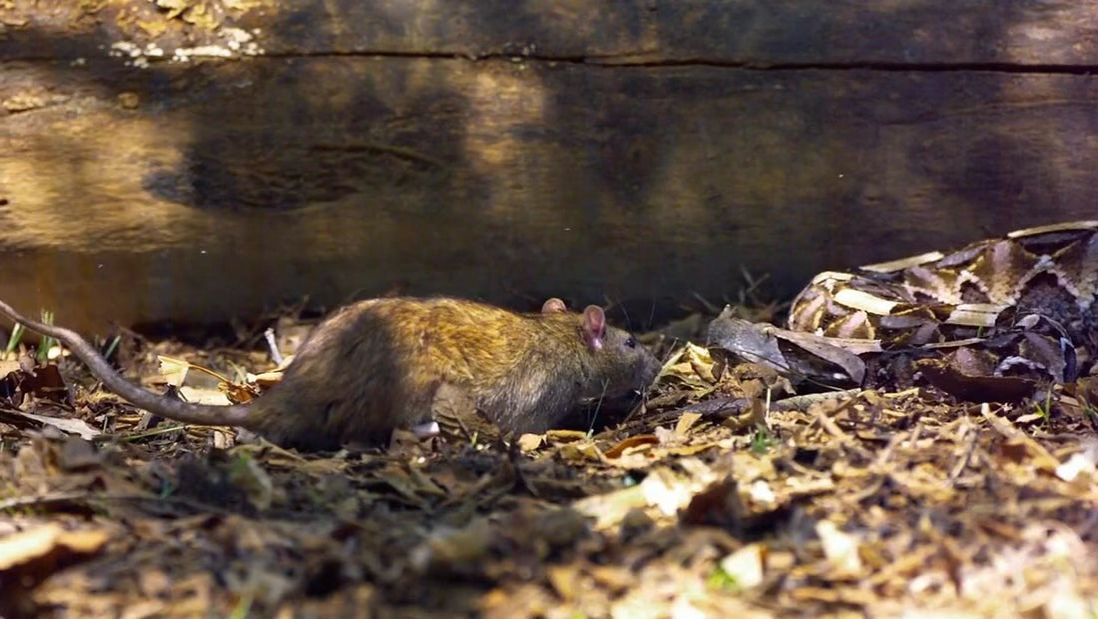
  • repeated use of prey animals displaying behaviour inconsistent with wild animals.
  • filming techniques indicative of controlled setups.
  • direct links between broadcast footage and captive animals shown in behind-the-scenes material.
Considered individually, each finding raises legitimate questions. Considered collectively, they present a consistent body of evidence suggesting that these are not isolated anomalies but part of a broader pattern.
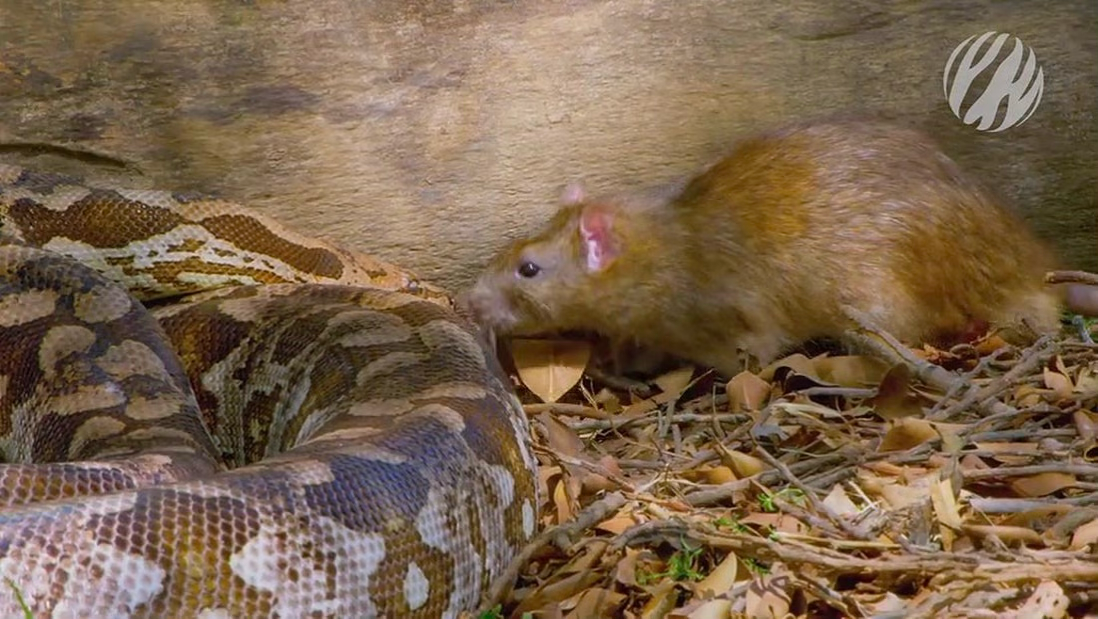
Equally concerning has been the response to these findings. We provided the organisations involved with opportunities to review the evidence and respond. Rather than directly addressing the specific factual observations documented in our reports, the principal responses consisted of general statements about wildlife filmmaking practices, aggressive legal correspondence, or no substantive response at all. None of the responses provided evidence capable of explaining or disproving the specific observations presented in this report. If these sequences were genuinely filmed as spontaneous wild encounters, it is reasonable to expect that production records — such as travel documentation, behind-the-scenes photographs, production logs, or unused footage — could assist in addressing the questions raised.

At the same time, repeated copyright complaints were used to remove our videos, social media accounts, and other means of communicating our findings, significantly limiting public access to this evidence.

This report is not an argument against the use of captive animals in wildlife filmmaking. Captive animals are frequently used for education, scientific illustration, and documentary production, and such practices can be entirely ethical when conducted responsibly and disclosed honestly to audiences. Our concern is the apparent presentation of controlled predation involving live animals as spontaneous events occurring in the wild, without transparency and, where live prey is intentionally introduced, in circumstances that may raise serious animal welfare concerns.

The issues identified in these investigations extend beyond the productions examined here. Wildlife documentaries occupy a unique position of public trust. They are widely regarded as factual representations of the natural world and play an important role in conservation, education, and public understanding of wildlife. If audiences cannot rely on broadcasters and production companies to distinguish between genuine field observations and constructed scenes, confidence in the genre as a whole is undermined.

For that reason, we believe these findings warrant independent investigation by broadcasters, distributors, regulators, industry bodies, and organisations responsible for overseeing animal welfare in film production. The evidence presented here should be assessed on its merits, and the questions it raises answered through transparency rather than suppression.

We recognise that extraordinary claims require strong evidence. That is why this report relies, wherever possible, on publicly verifiable material, allowing readers to examine the evidence and reach their own conclusions. We remain willing to correct any factual error if credible contrary evidence is produced, and we continue to invite those involved in these productions to provide explanations addressing the observations documented throughout this report.
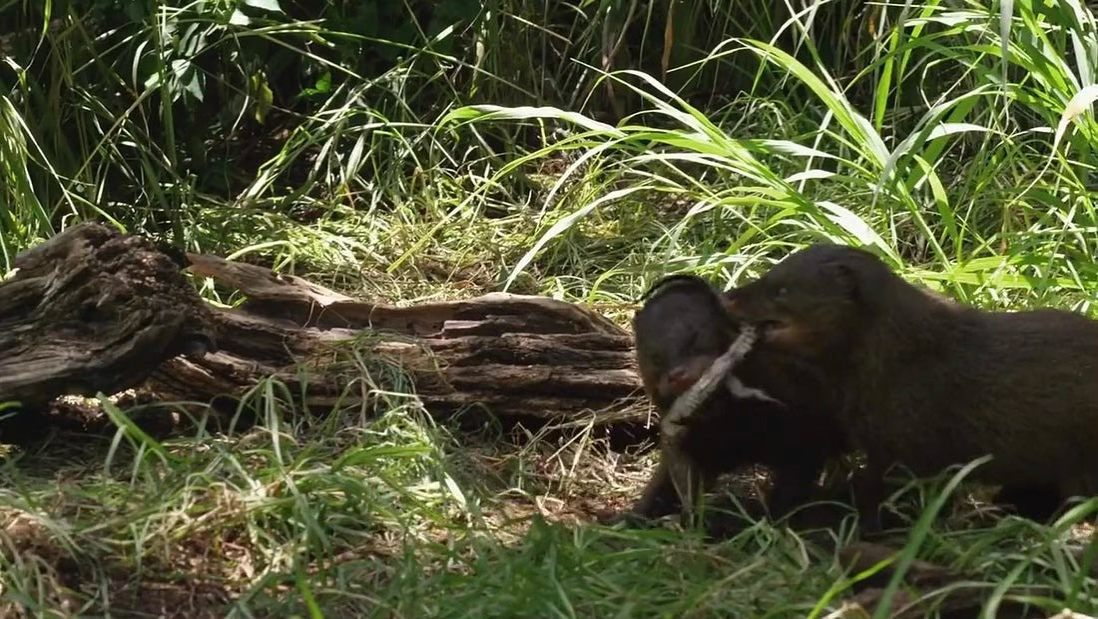
Ultimately, the purpose of this report is not to assign guilt but to encourage accountability. If wildlife filmmaking is to retain the confidence of audiences and continue serving conservation and education, it must be transparent about how its most dramatic sequences are obtained and ensure that the welfare of animals is never subordinated to entertainment.

Sincerely,
The Wild Truth

Note: If you have information that may assist our investigations, wish to discuss the evidence presented in this report, or would like to request supporting materials, please contact us at thewildtruth2026@gmail.com or wild.truth@mail.com.

We are happy to provide full-resolution images, frame comparisons, source materials, and other supporting documentation to substantiate the findings presented in this report.
 
  • Informative
Reactions: 1956
I’d be very interested to hear your opinions on the reports above. We have so far struggled to get meaningful responses from the organisations and individuals involved, and have also found it difficult to gain traction on social media. I wonder whether part of the problem is that many of the animals involved are rodents and reptiles, which receive considerably less sympathy than mammals such as elephants, big cats, or primates.
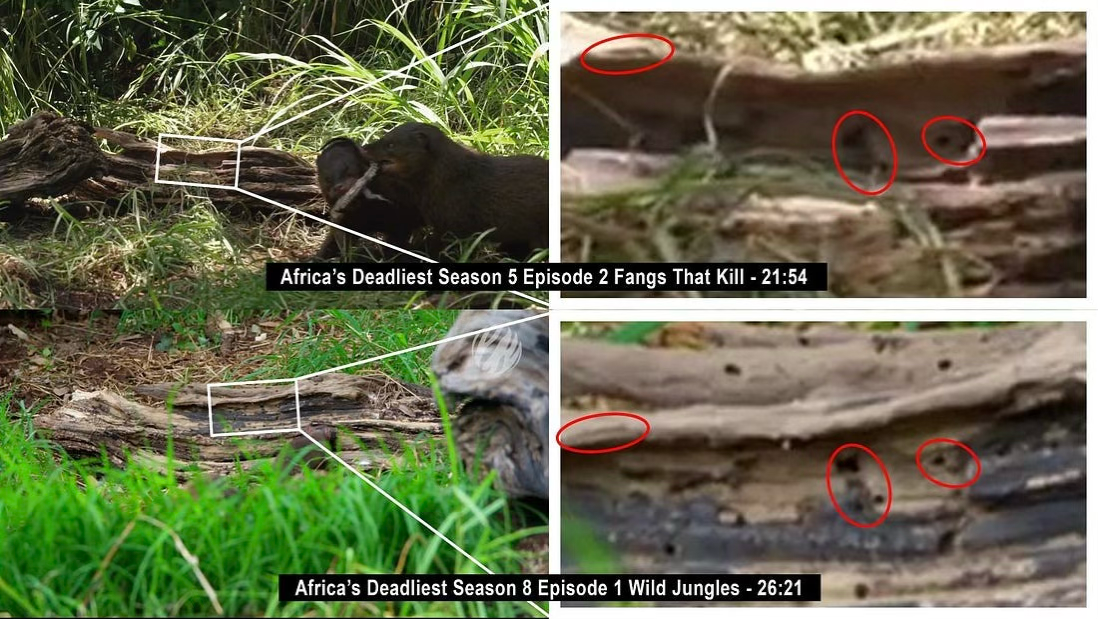
If anyone has suggestions for organisations, forums, journalists, researchers, animal-welfare groups, or individuals who might be willing to review the evidence or help bring these concerns to wider attention, we would be very grateful to hear them.
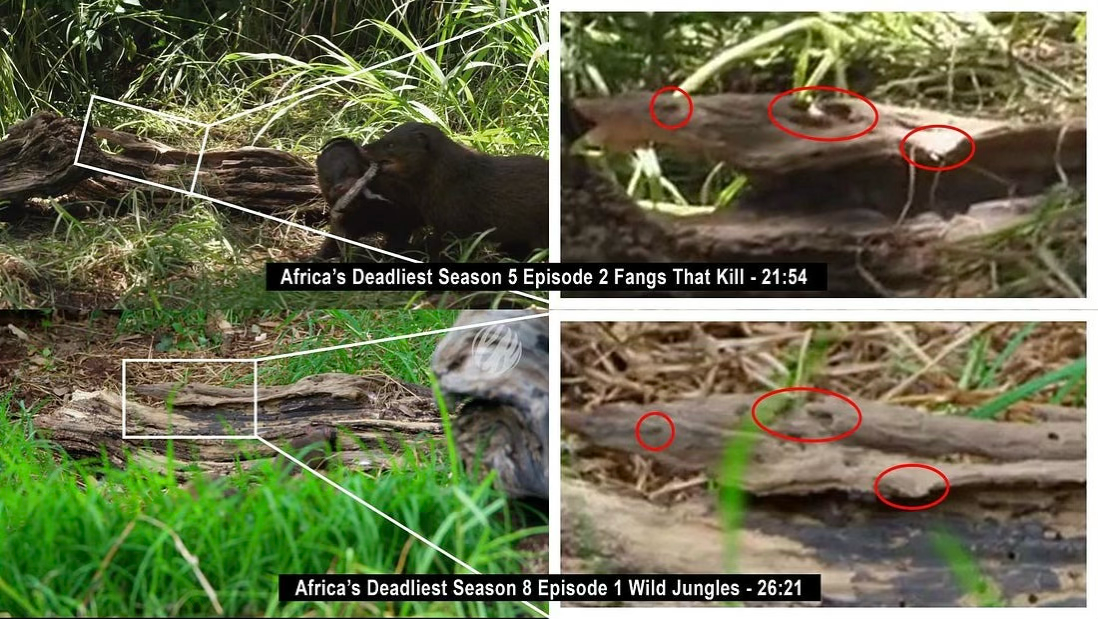
 
  • Friendly
Reactions: 1956
I’d be very interested to hear your opinions on the reports above. We have so far struggled to get meaningful responses from the organisations and individuals involved, and have also found it difficult to gain traction on social media. I wonder whether part of the problem is that many of the animals involved are rodents and reptiles, which receive considerably less sympathy than mammals such as elephants, big cats, or primates.

If anyone has suggestions for organisations, forums, journalists, researchers, animal-welfare groups, or individuals who might be willing to review the evidence or help bring these concerns to wider attention, we would be very grateful to hear them.
Whilst I will admit to not reading or looking Deeply into what you have posted, I want to Thank you for sharing this information…
Yes, I agree that Certain animals receive Much more concern and sympathy towards them than others - which is Such a shame…
 
  • Like
Reactions: The Wild Truth